Scribes and Secrets: Unveiling the Lives of Ancient Egyptian Record Keepers
Explore the role of scribes in Ancient Egypt and their potential in a Moses-themed game.
The Scribe’s Place in Ancient Egypt
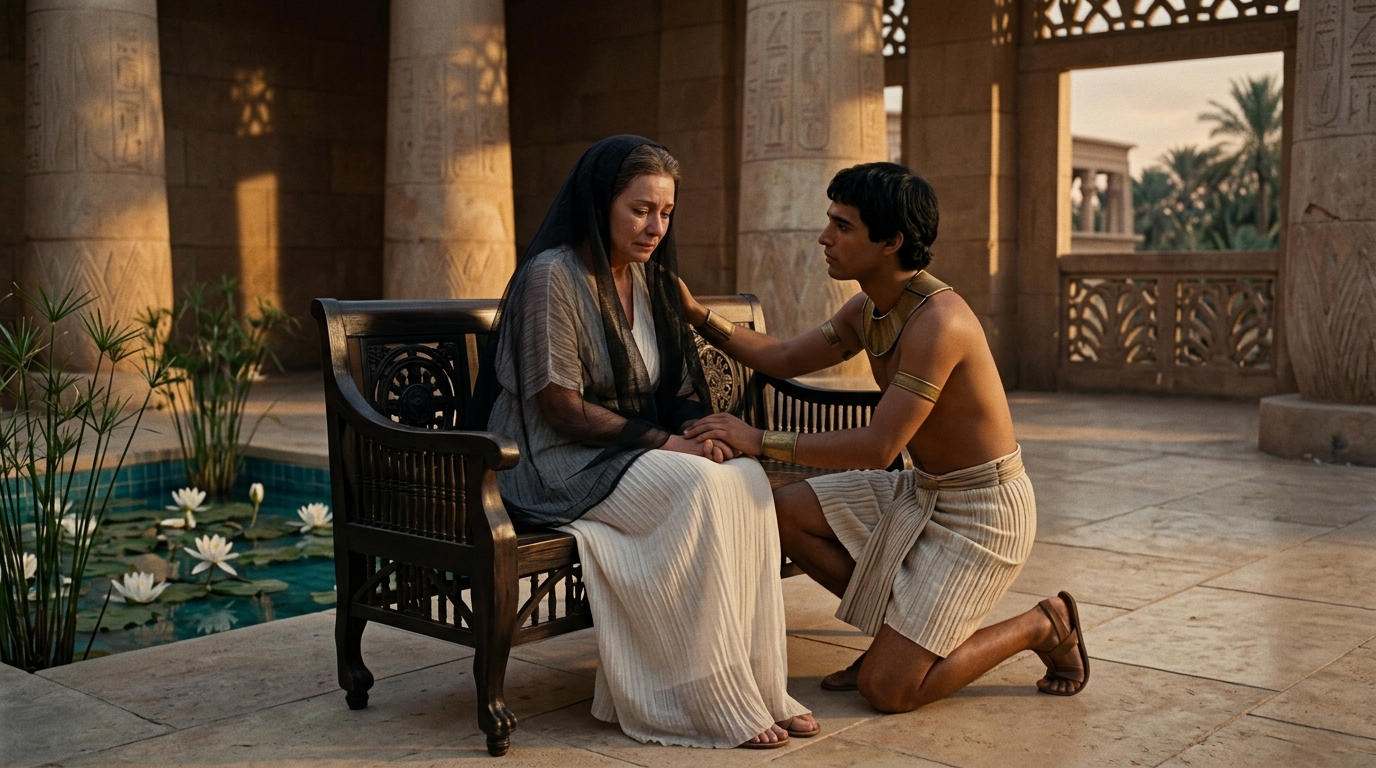
In the vibrant tapestry of Ancient Egyptian society, scribes held a unique and indispensable role. They were the intellectual backbone of administration, the keepers of knowledge, and the facilitators of communication across the kingdom. In a Moses-themed video game, focusing on the lives and contributions of scribes offers a rich avenue for storytelling and gameplay mechanics. By exploring the daily experiences and societal impact of these record keepers, developers can create an immersive world that captures the essence of ancient Egyptian civilization.
Daily Life and Responsibilities of Scribes
Scribes in Ancient Egypt were more than mere writers; they were pivotal in maintaining the functioning of the state. Their responsibilities included recording transactions, managing agricultural records, and documenting legal proceedings. They were often seen in the company of pharaohs and high officials, ensuring that every decree and event was meticulously recorded.
A typical day for a scribe might involve transcribing documents using papyrus and ink, utilizing tools like reed pens and palettes. They worked in various settings, from bustling administrative offices to serene temple complexes. This diversity in their work environments can be reflected in a game by allowing players to explore different locations and interact with various aspects of ancient life.
Scribes in Game Narrative and Mechanics
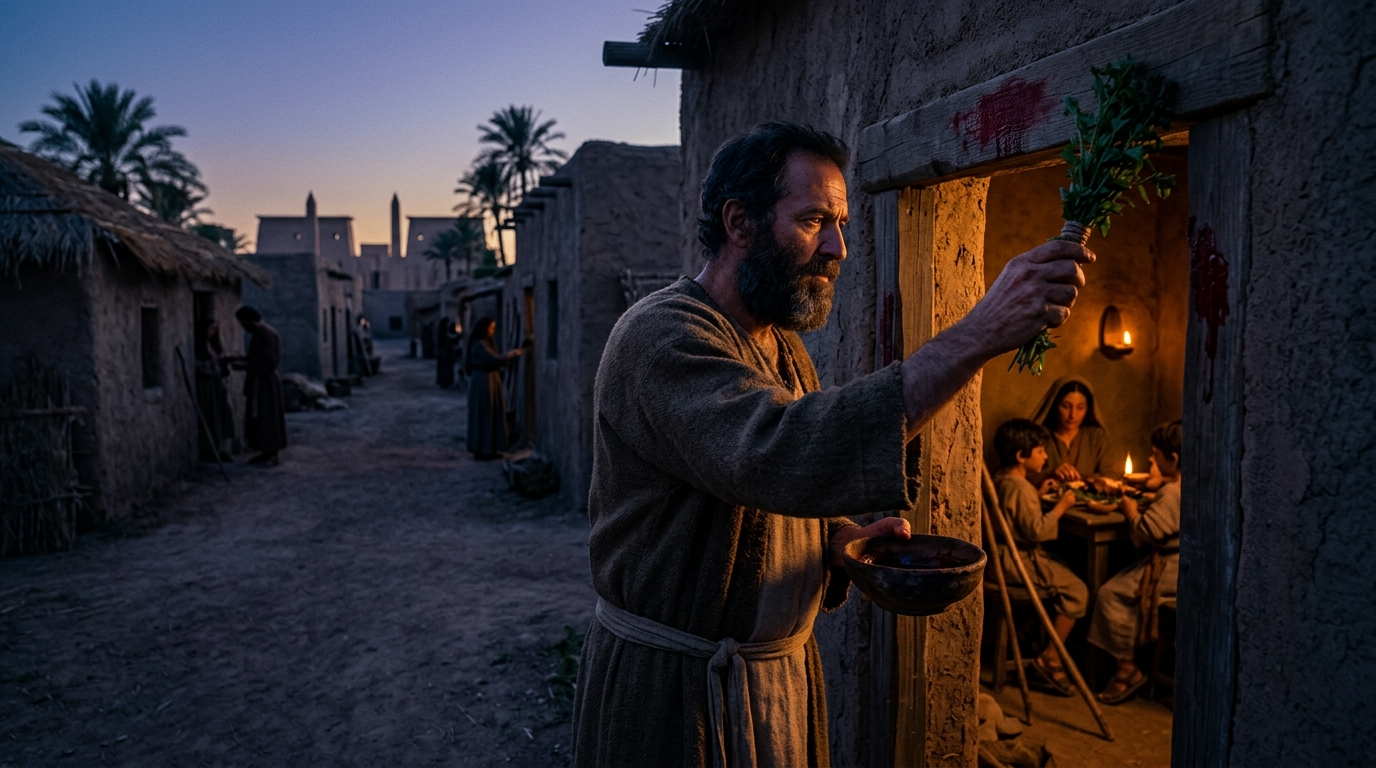
Integrating scribes into the narrative of a Moses-themed game could provide players with unique quests and challenges. For instance, players might encounter a scribe tasked with recording the plagues or tracking the movement of the Hebrew people. Such encounters could offer opportunities to learn more about the historical and biblical context, enhancing the game’s depth.
Mechanically, scribes could serve as quest-givers or knowledge-bearers, unlocking new areas or abilities. Players might undertake missions to retrieve lost scrolls or decipher ancient texts, adding layers of mystery and discovery to the gameplay. By incorporating these elements, developers can create a dynamic world that encourages exploration and learning.
Cultural and Political Influence of Scribes
Scribes were not only record keepers but also wielded significant cultural and political influence. They were often among the few literate members of society, granting them considerable power and prestige. This influence can be woven into the game by presenting scribes as key figures in political intrigue or as advisors to powerful leaders.
Players might interact with scribes who are involved in the delicate balance of power within the Egyptian court, offering insights or manipulating events to favor certain outcomes. Such interactions can provide a nuanced perspective on the complexities of ancient politics and the role of information in governance.
Designing Interactive Scribe Characters and Quests
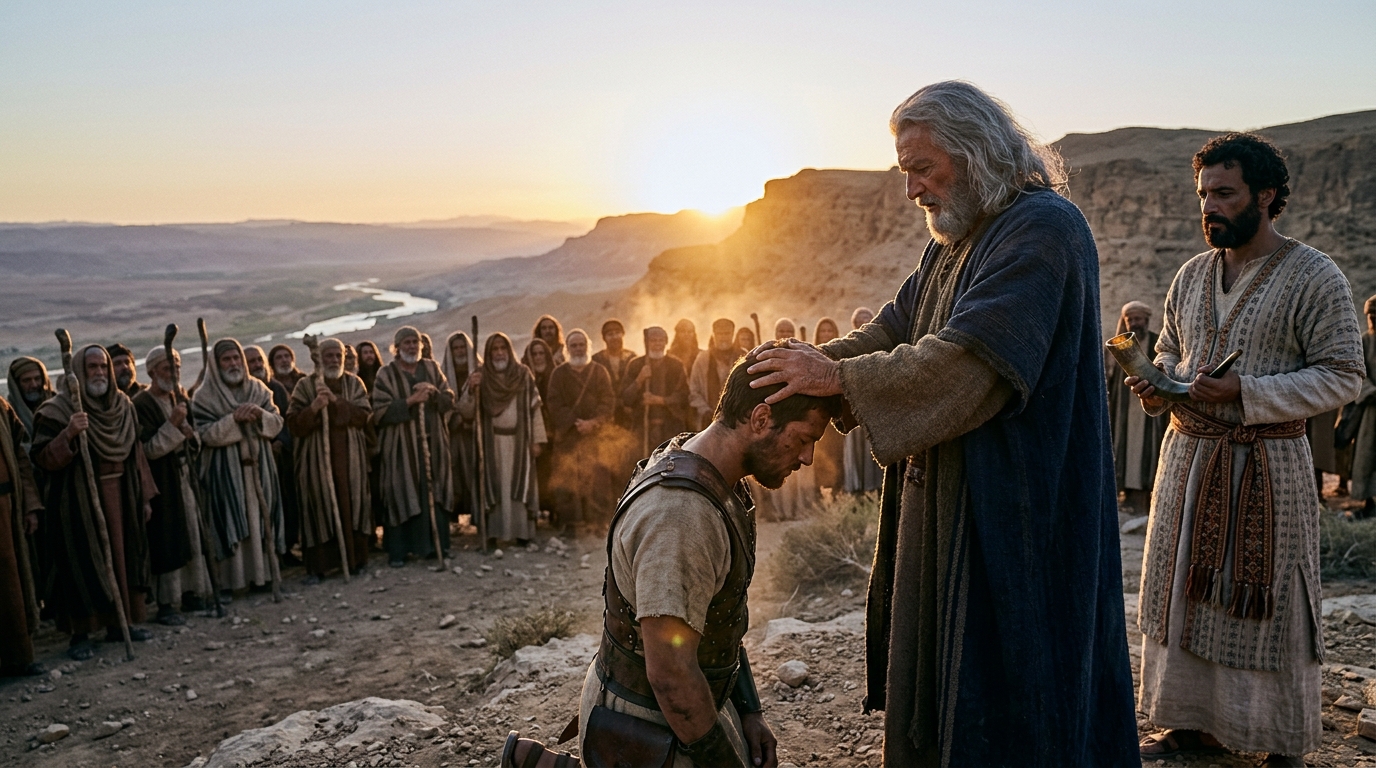
Creating engaging scribe characters requires attention to historical detail and imaginative storytelling. These characters could be designed with distinct personalities, backgrounds, and motivations, each contributing to the broader narrative. Quests involving scribes might range from simple information gathering to complex puzzles requiring players to piece together historical clues.
For example, a quest might involve helping a scribe complete a critical census before a looming deadline, with players navigating the challenges of bureaucracy and resource management. Alternatively, players might assist a scribe in preserving forbidden knowledge, adding an element of moral decision-making.
Through these interactive elements, the game can offer players a deeper understanding of the scribes’ vital role in ancient society, enriching the overall gaming experience.
Conclusion
By focusing on the scribes of Ancient Egypt, a Moses-themed video game can transcend traditional narratives and offer players a comprehensive view of this fascinating civilization. The scribes’ work in record-keeping, communication, and administration provides fertile ground for creative storytelling and engaging gameplay. By integrating these elements, developers can craft a living, breathing world that not only entertains but also educates, honoring the legacy of these ancient record keepers.