Whispers of the Wilderness: Crafting the Soundscapes and Visuals of the Sinai Desert
Explore how soundscapes and visuals of the Sinai Desert enhance the player’s experience in a Moses game.
Introduction: Setting the Scene in the Sinai Desert
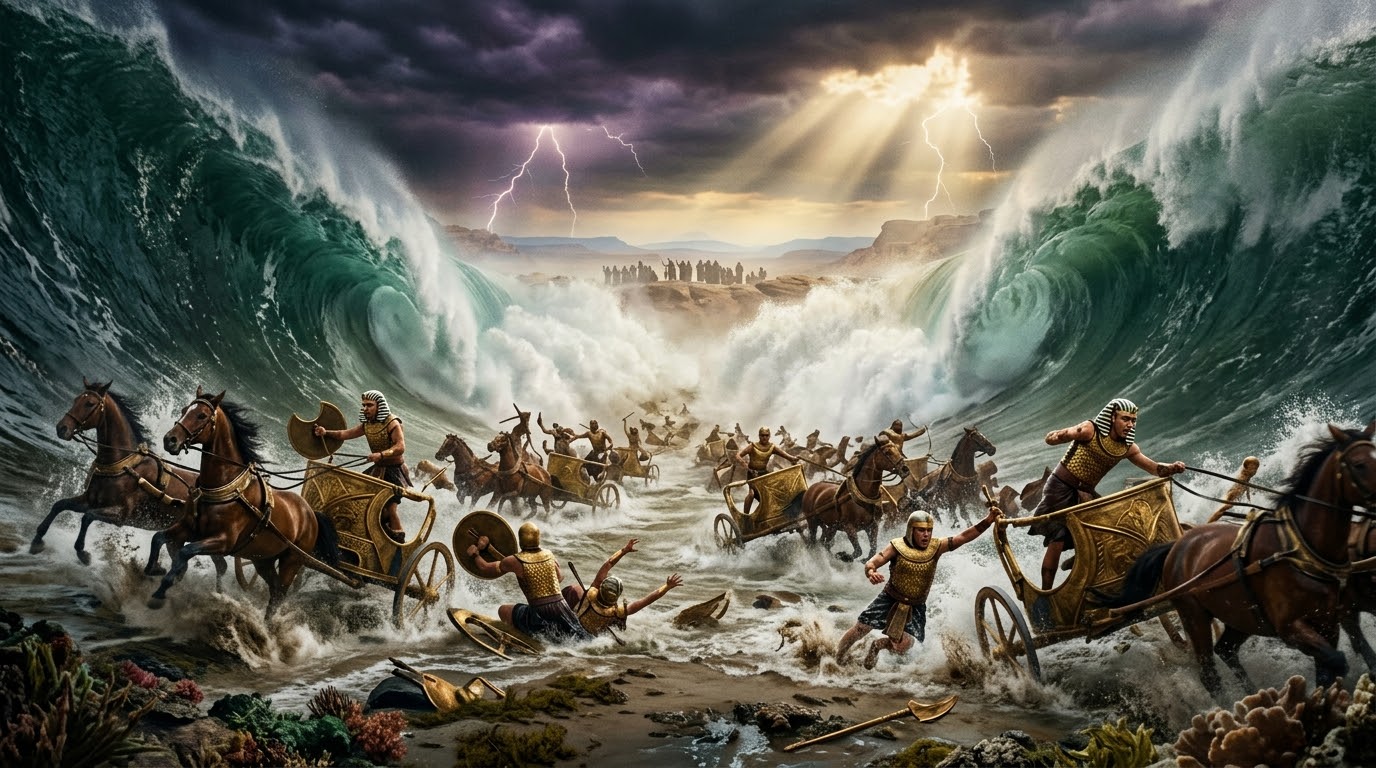
The Sinai Desert, a land steeped in history and spirituality, serves as a pivotal setting for any video game inspired by the biblical narrative of Moses. This barren yet profoundly beautiful landscape offers a unique opportunity for game developers to craft an immersive experience that captures the essence of solitude, hardship, and spiritual transformation. By focusing on the art direction, atmosphere, and audio design, developers can create a Sinai Desert that resonates deeply with players, drawing them into the emotional and transformative journey of Moses.
Soundscapes of Solitude: Audio Design Techniques
An effective soundscape is crucial in conveying the isolation and spirituality of the desert. The vast expanse of the Sinai can be brought to life through a carefully curated blend of ambient sounds. The gentle whisper of the wind, the distant call of a desert bird, or the subtle crunch of sand underfoot can all contribute to a sense of solitude and introspection. Audio designers might consider using dynamic soundscapes that evolve as players progress, reflecting the changing moods and challenges faced by Moses.
Incorporating periods of silence can also be powerful, allowing players to feel the weight of the desert’s emptiness. These moments of quietude can be juxtaposed with sudden auditory cues that signal danger or divine intervention, heightening the player’s emotional engagement. The use of spatial audio techniques can further enhance immersion, making players feel as though they are truly wandering the vast and unforgiving wilderness.
Visual Language: From Barren Desolation to Sacred Beauty
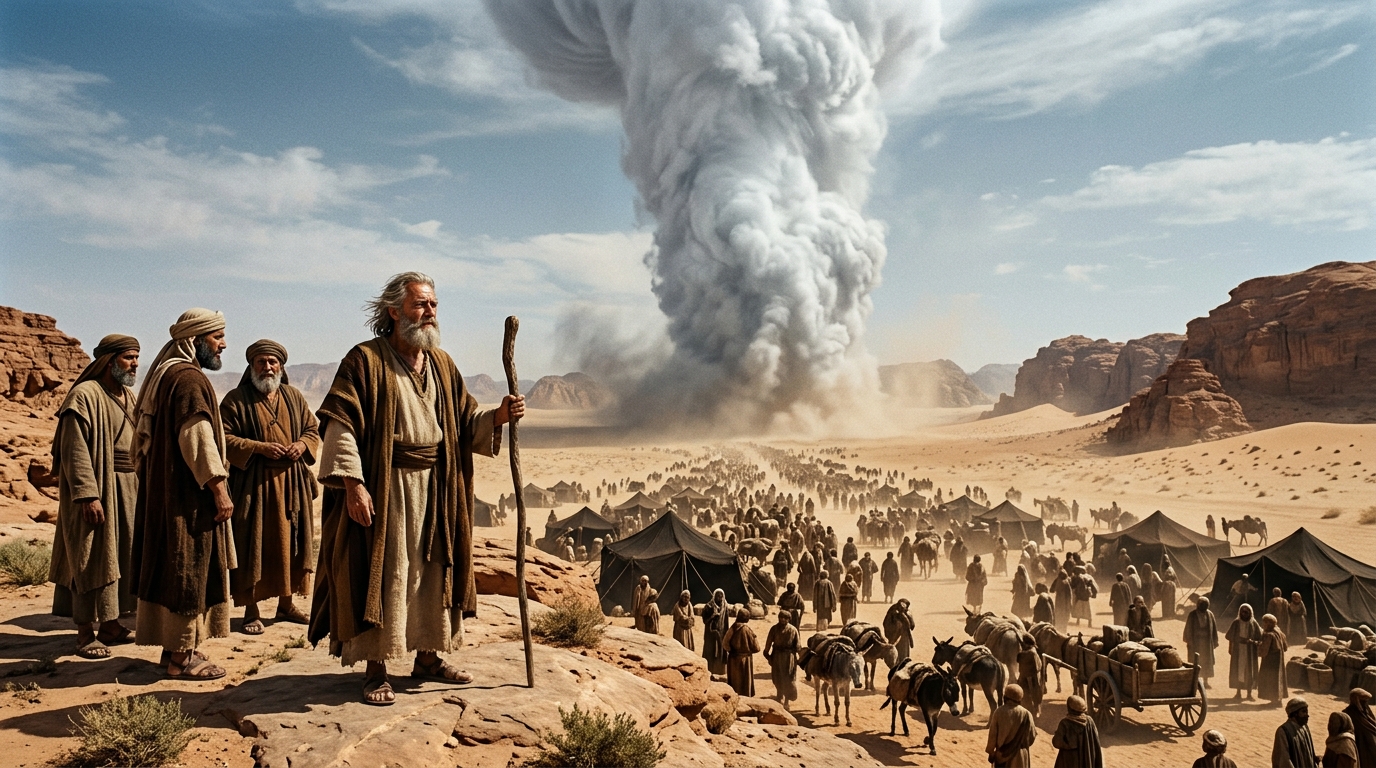
Visually, the Sinai Desert offers a canvas of stark contrasts. Art directors have the opportunity to depict both the harshness and the beauty of this environment. The landscape can be rendered in a palette of ochres and blues, capturing the sun-baked earth and the expansive sky. Textures play a significant role in conveying the arid climate, with cracked earth, shifting sands, and rugged rock formations providing a tactile sense of place.
Lighting is another critical element in visual storytelling. The transition from the blinding light of midday to the soft, golden hues of dusk can symbolize the passage of time and the progression of Moses’ journey. Nighttime scenes, illuminated by a canopy of stars, can evoke a sense of wonder and contemplation, reinforcing the spiritual themes of the narrative.
Dynamic Environments: Weather and Time in the Desert
The desert is not a static backdrop but a living, breathing entity that can influence gameplay and atmosphere. Dynamic weather systems, such as sandstorms or sudden rain showers, can introduce new challenges and opportunities for players. These environmental changes can affect visibility, movement, and even the emotional tone of a scene.
Time of day can also be used to great effect, with the shifting sun casting long shadows and altering the mood of the landscape. As players navigate the desert, the gradual changes in light and weather can mirror Moses’ internal journey, reflecting his struggles and moments of revelation.
Narrative and Atmosphere: Reflecting Moses’ Internal Journey
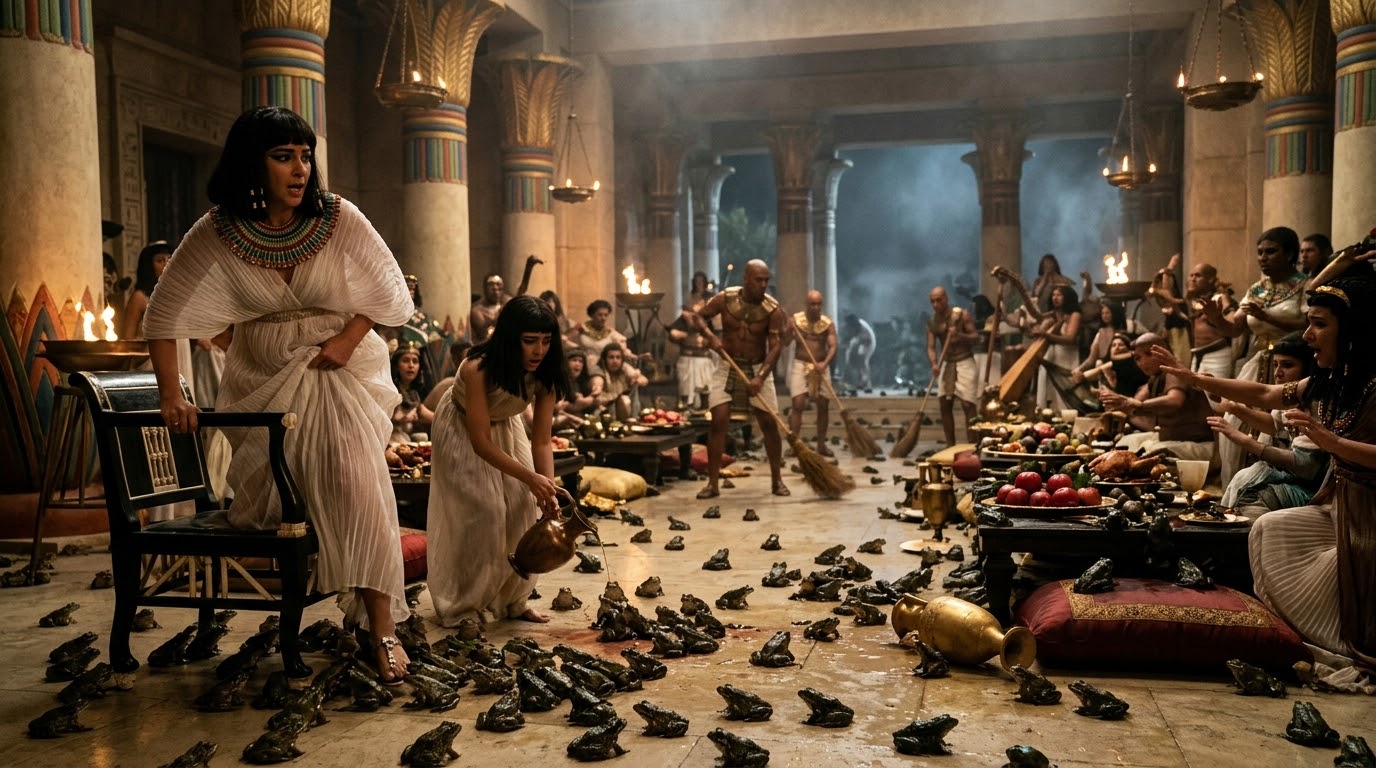
The art and audio direction of a Moses game must do more than depict a physical journey; it must also convey the protagonist’s spiritual transformation. The Sinai Desert serves as a metaphor for Moses’ trials and growth, with the environment reflecting his internal state. For instance, a particularly challenging segment of the game might be set during a sandstorm, symbolizing Moses’ turmoil and doubt.
Conversely, moments of clarity and divine insight could be represented by serene landscapes bathed in celestial light. The interplay between the external environment and Moses’ inner world can create a rich narrative tapestry, offering players a deeper understanding of his character and mission.
Conclusion: Integrating Art and Audio for Immersive Storytelling
In crafting the soundscapes and visuals of the Sinai Desert, game developers have the opportunity to create a deeply immersive and emotionally resonant experience. By focusing on the interplay between audio and visual elements, developers can enhance the player’s connection to Moses’ story, making the desert not just a setting, but a vital component of the narrative.
The Sinai Desert, with its vastness and mystery, is more than a backdrop; it is a character in its own right, shaping and reflecting the journey of Moses. Through careful attention to sound design, visual language, and dynamic environments, developers can bring this ancient landscape to life, offering players a profound and transformative gaming experience.