The Unsung Guardians: The Role of Midwives in Moses’ Early Life and Cultural Preservation
Explore the vital role of midwives in Moses’ story and their potential as characters in a narrative-driven game.
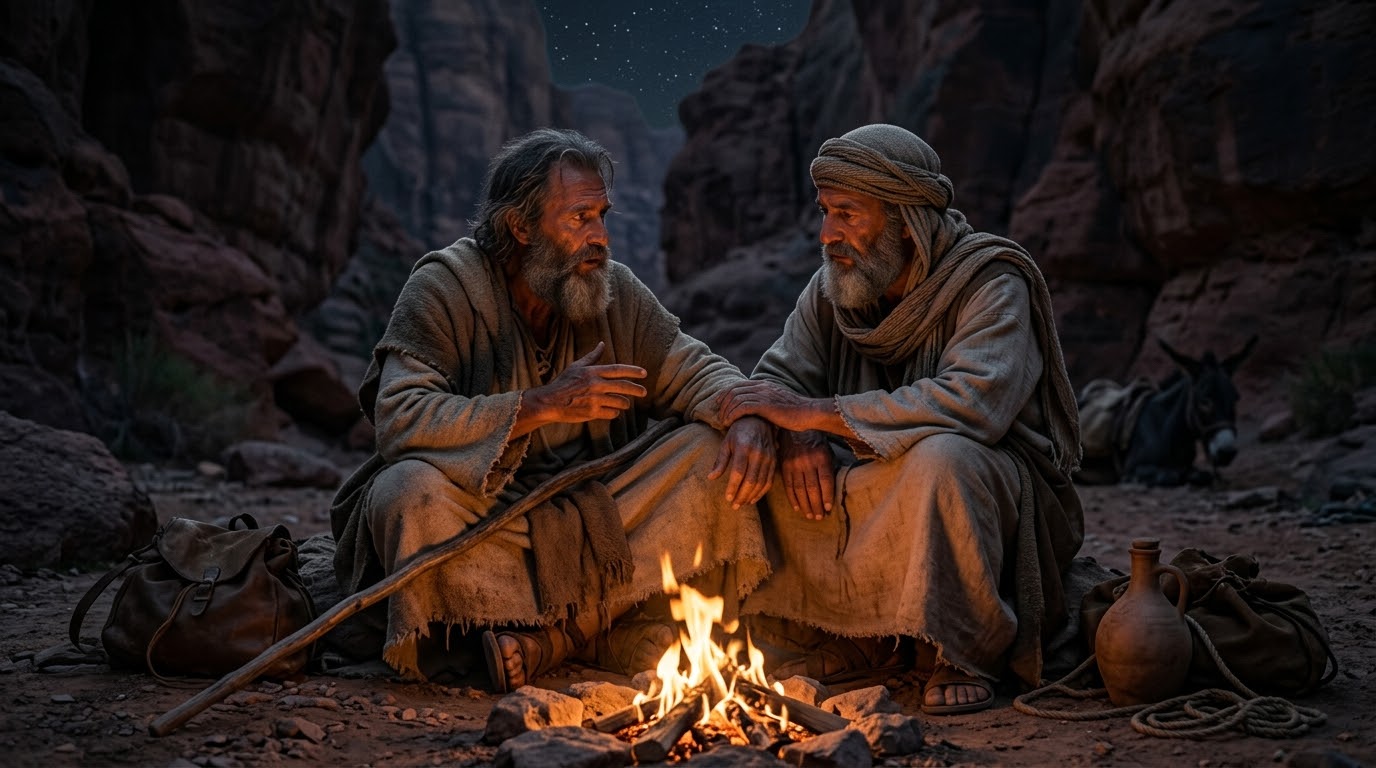
The Silent Heroes of Exodus
In the rich tapestry of the Exodus narrative, Moses stands as a central figure, leading his people from bondage to freedom. However, the story of Moses begins long before he parts the Red Sea, in the quiet acts of defiance by two midwives. These unsung heroes, often overshadowed by Moses’ later exploits, played a critical role in his survival and the preservation of his people. As game developers and narrative designers consider ways to bring the story of Moses to life, the midwives offer a compelling lens through which to explore the socio-political dynamics of Ancient Egypt and the resilience of the Hebrew people.
Historical and Biblical Context: Midwives in Ancient Egypt
The biblical account in the book of Exodus introduces us to Shiphrah and Puah, Hebrew midwives who defied Pharaoh’s orders to kill all newborn Hebrew boys. Their courage ensured Moses’ survival, setting the stage for the liberation of the Israelites. While historical records of midwifery in Ancient Egypt are sparse, the role of midwives was undoubtedly crucial in both Egyptian and Hebrew societies. These women were not merely caregivers; they were vital to the community’s continuity and cultural preservation.
In a video game context, these midwives could be portrayed as early resistance figures, their actions resonating with themes of bravery and moral choice. By exploring their stories, players can gain insights into the daily lives and struggles of those living under Egyptian rule, adding depth to the narrative fabric of the game.

Integrating Midwives into Game Narrative: Character Development and Storytelling
To effectively integrate the midwives into a Moses-themed game, developers should focus on character development and narrative storytelling. Shiphrah and Puah can be depicted as protagonists in their own right, with backstories that highlight their motivations and the risks they undertook. Their interactions with other characters—be it fellow Hebrews, Egyptian officials, or even Moses’ family—can serve to flesh out the world and create a more immersive experience.
Through dialogue and choice-driven narratives, players could experience the ethical dilemmas faced by the midwives, such as the decision to defy Pharaoh’s edict. These narrative elements not only enrich the game but also offer players a chance to engage with the story on a deeper emotional level, fostering empathy and understanding of the historical context.
Mechanics and Gameplay: Designing Stealth and Strategy Around Midwives
In terms of gameplay mechanics, the midwives’ story lends itself well to stealth and strategy elements. Players could be tasked with navigating the complexities of Ancient Egyptian society, using stealth to avoid detection by authorities while protecting newborns. Such mechanics would emphasize the clandestine nature of the midwives’ work and the constant danger they faced.
Additionally, strategy elements could involve resource management, as players balance the needs of the community with the risks of defiance. This approach not only highlights the midwives’ courage but also underscores the broader struggle of the Hebrew people against oppression.
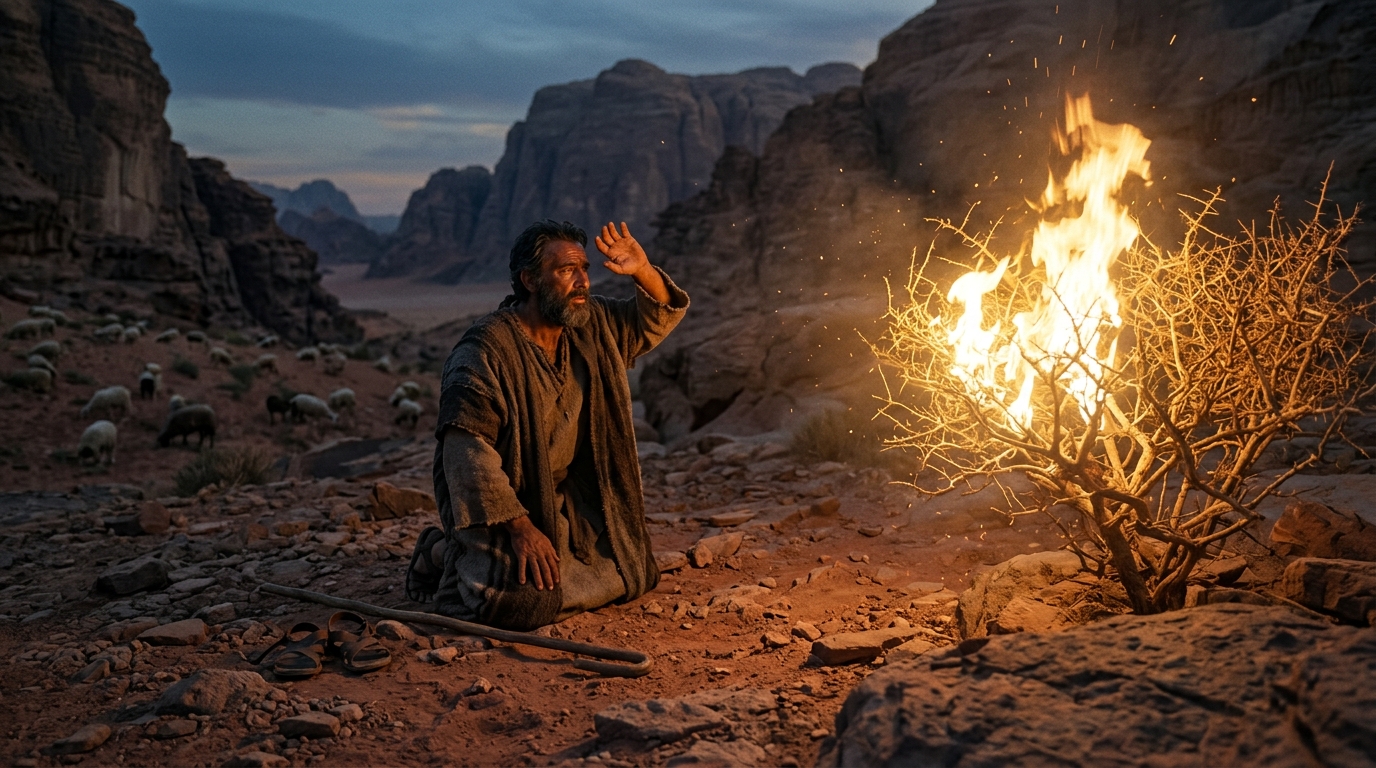
Cultural Impact: How Midwives Shape the Player’s Understanding
By focusing on the midwives, game developers can profoundly influence the player’s understanding of the cultural and socio-political climate of Ancient Egypt. Shiphrah and Puah’s actions are a testament to the power of individual agency and moral conviction in the face of tyranny. Through their story, players can explore themes of resistance, cultural identity, and the impact of seemingly small acts of defiance on the course of history.
The inclusion of midwives as central figures also encourages players to consider the roles of women in biblical narratives, often overlooked in traditional retellings. This not only enriches the player’s experience but also aligns with modern efforts to present more inclusive and diverse stories.
Conclusion: Celebrating Unsung Heroes in Interactive Storytelling
The story of Moses is one of epic proportions, filled with divine encounters and miraculous events. However, it is the quieter, human stories—like those of Shiphrah and Puah—that provide the foundation for such grand narratives. By celebrating these unsung heroes in a video game, developers have the opportunity to offer players a richer, more nuanced understanding of the Exodus story.
Incorporating the midwives into the game’s narrative not only honors their contributions but also challenges players to think critically about history, courage, and the power of individual actions. As we look to create interactive experiences that resonate with players, the story of the midwives offers a unique and compelling perspective worth exploring.