Crafting the Sound of Freedom: Audio Design in an Exodus Game
Explore how audio design enhances storytelling in an Exodus game with soundscapes, music, and voice acting.
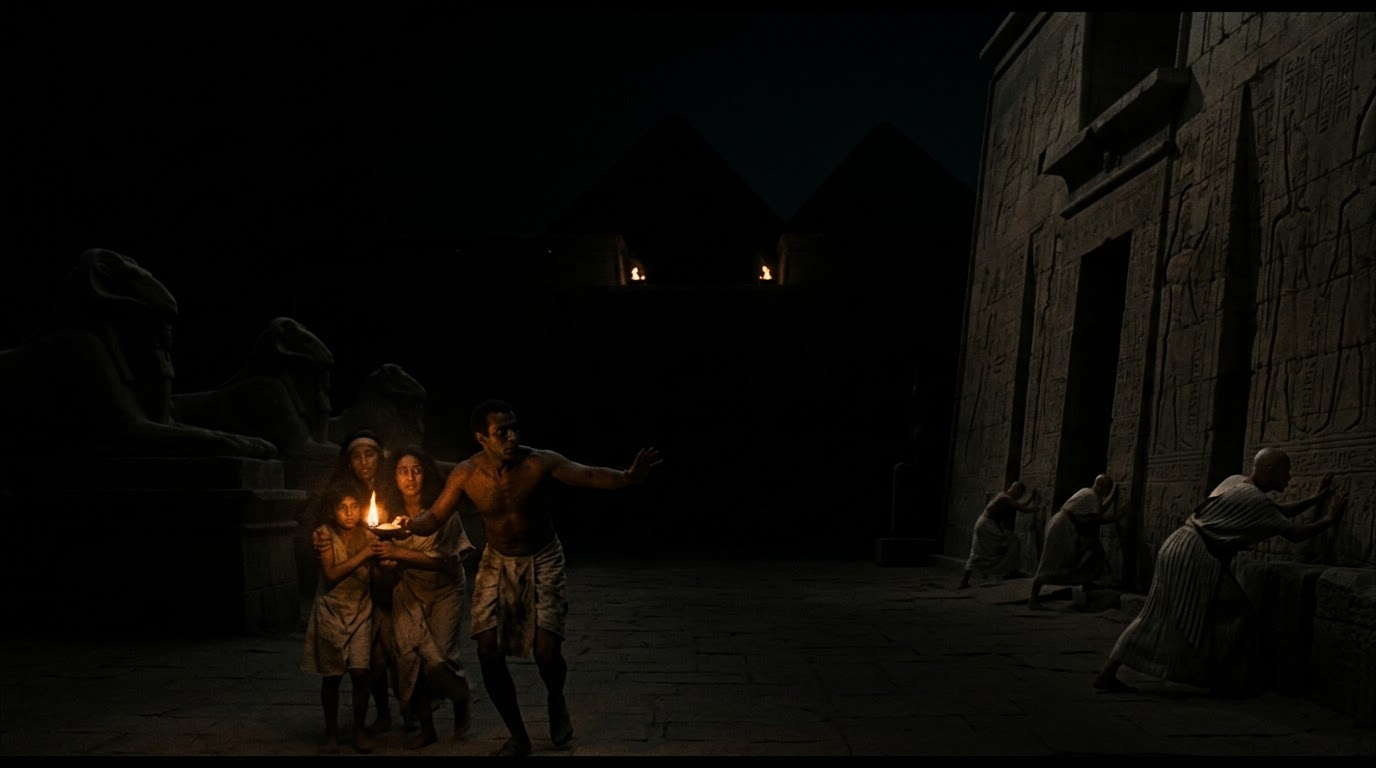
The narrative of the Exodus, with its themes of liberation, resilience, and divine intervention, presents a unique opportunity for video game developers. While much attention is often given to visual and gameplay elements, the role of audio design is equally crucial in crafting an immersive experience. In a game inspired by the biblical story of Moses leading the Israelites out of Egypt, soundscapes, music, and voice acting can profoundly enhance the storytelling experience, evoking the emotions and stakes of this epic journey.
Introduction to Audio Design in Historical Games
Audio design in video games is a powerful tool that can transport players to different times and places. For historical games, it is not just about creating an authentic backdrop; it is about immersing players in an era’s atmosphere. In a game based on the Exodus, audio design must capture the essence of ancient Egypt and the Sinai wilderness, providing a soundscape that reflects the historical and emotional depth of the narrative. This involves integrating ambient sounds, music, and voice acting to build an engaging world that players can emotionally connect with.
Capturing the Sounds of Ancient Egypt
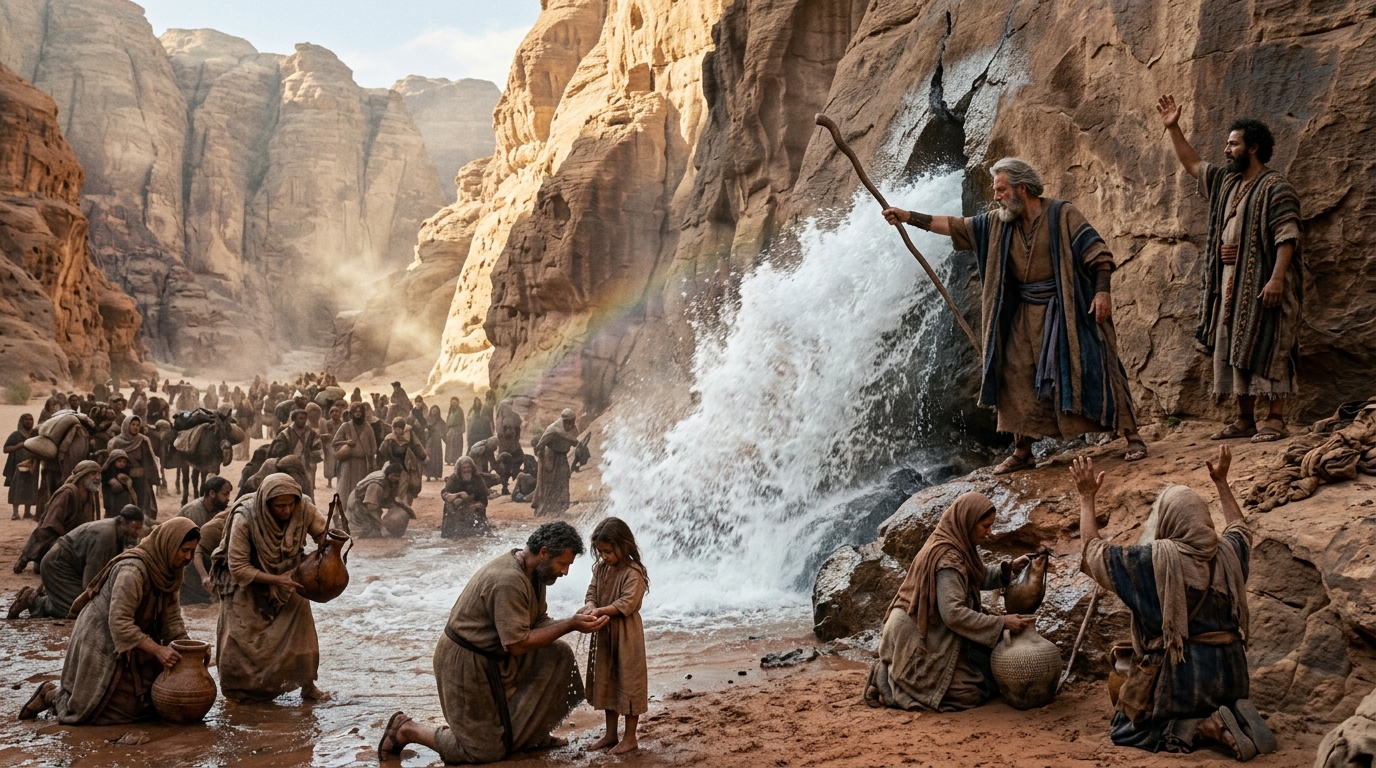
Creating authentic soundscapes for ancient Egypt involves a blend of historical research and creative interpretation. The bustling markets, the flow of the Nile, and the whispers of desert winds all contribute to the setting’s authenticity. Developers can draw on archaeological findings and scholarly research to recreate the sounds of traditional instruments such as the sistrum and lute, which were integral to Egyptian culture. These sounds can serve as a backdrop to the narrative, grounding players in the time and place of the Exodus.
The Emotional Journey: Music and Themes of Liberation
Music plays a pivotal role in reinforcing the themes of hope and liberation central to the Exodus story. A dynamic score can underscore the emotional highs and lows of the journey, from the Israelites’ despair in captivity to the triumph of their eventual freedom. Composers might use motifs and themes that evolve alongside the narrative, reflecting the characters’ growth and resilience. The use of traditional instruments, alongside modern orchestration, can create a rich tapestry of sound that connects players with the story on an emotional level.

Voice Acting and the Human Element
Voice acting is crucial in humanizing the biblical figures within the game. By giving characters like Moses, Aaron, and Pharaoh distinct voices, developers can add depth and personality to these iconic figures. Thoughtful casting and direction can ensure that performances capture the complexity of these characters, portraying their struggles, doubts, and triumphs. This not only enhances the narrative but also helps players form a deeper emotional connection with the characters and their journey.
Creating Dynamic Soundscapes for Player Immersion
Dynamic soundscapes can significantly enhance player immersion in the game world. By reacting to player actions and narrative developments, sound design can make the environment feel alive. For example, the sound of the Red Sea parting or the plagues affecting Egypt could be designed to change dynamically, reflecting the player’s progress and decisions. This interactivity not only makes the game more engaging but also reinforces the player’s sense of agency within the narrative.
Conclusion: Crafting a Soundtrack for Freedom
The audio design of a game based on the Exodus story is more than a mere technical undertaking; it is an artistic endeavor that brings the narrative to life. By carefully crafting soundscapes, music, and voice acting, developers can create an immersive and emotionally resonant experience that captures the essence of this epic tale. As players journey through the trials and triumphs of the Israelites, the soundtrack of freedom becomes a powerful tool in connecting them to the story’s timeless themes of hope and liberation.