Balancing Divine Intervention and Player Agency in a Moses Game
Explore balancing divine events and player agency in a Moses game, offering design strategies for engaging gameplay.

Introduction: The Challenge of Divine Intervention in Interactive Storytelling
The story of Moses, as depicted in the biblical Exodus narrative, is rich with dramatic events, divine interventions, and pivotal moments that have captivated audiences for millennia. Translating such a story into an interactive medium like a video game poses unique challenges. How can developers remain faithful to the narrative necessity of divine intervention while still providing players with a sense of agency and meaningful decision-making? This balance is crucial, as players expect their choices to matter, even when the storyline involves predetermined supernatural acts.
Design Strategies for Balancing Supernatural Events and Player Agency
One of the primary challenges in a Moses game is integrating divine interventions—such as the plagues of Egypt or the parting of the Red Sea—without reducing the player’s role to that of a mere observer. To address this, developers can employ several strategies:
- Branching Paths: While key events may be predetermined, players can influence how they unfold. For example, players might choose how to prepare the Israelites for each plague, impacting survival rates and morale.
- Contextual Decision-Making: Allow players to make decisions in response to divine acts. For instance, when facing the Red Sea, players could decide the best way to organize the people, impacting their readiness and speed.
- Role of the Prophet: Emphasize Moses’ role as a leader and mediator. Players can engage in diplomacy, resource management, and morale boosting, making their strategic choices crucial to the community’s success.
Integrative Gameplay Mechanics: Miracles and Player Control
Integrating miracles into gameplay without undermining challenge and engagement requires thoughtful mechanics. One approach is to use miracles as a backdrop to player-driven goals rather than direct solutions to problems. For example, the ten plagues could serve as a time-based challenge, where players must complete certain objectives before the next plague occurs.
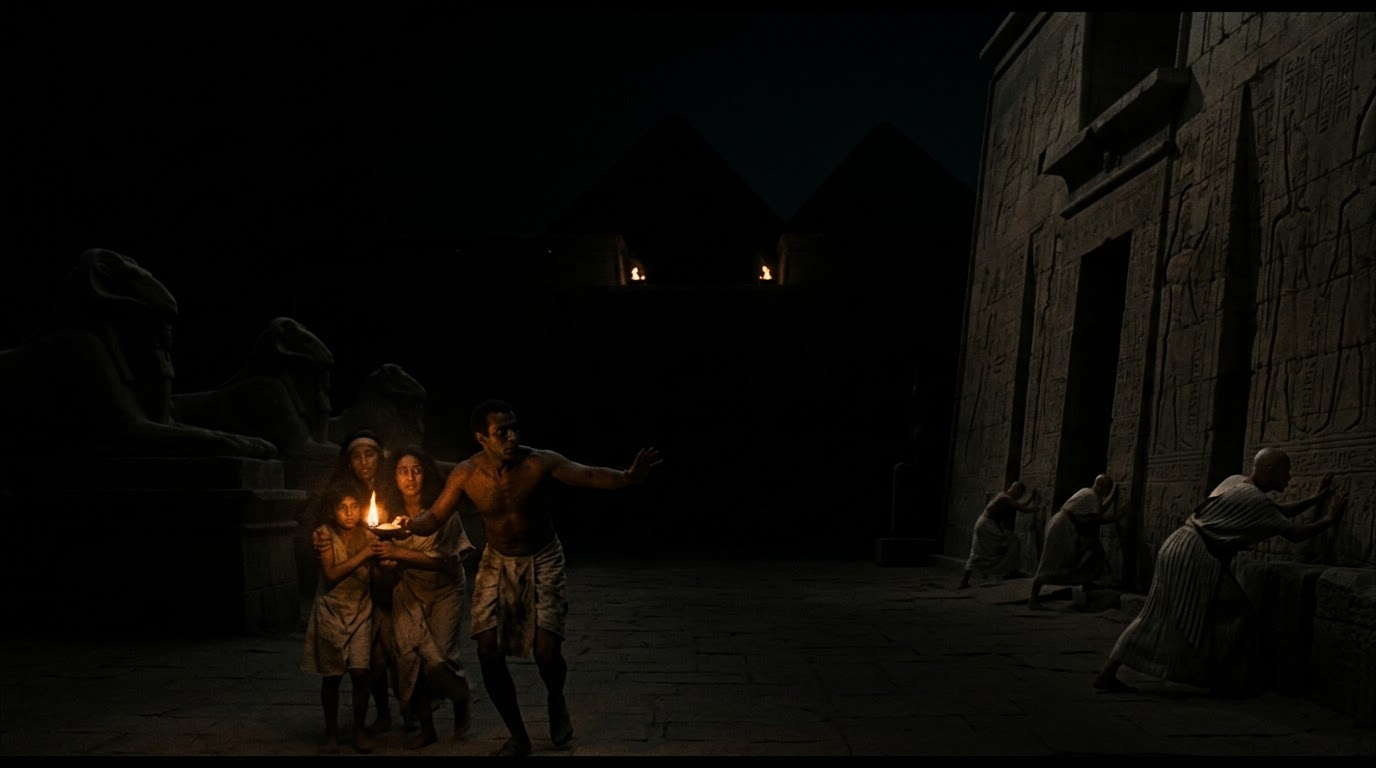
Additionally, developers can implement a “faith meter” that reflects the community’s belief in Moses’ leadership and divine support. Players’ actions—such as successfully negotiating with Egyptian officials or preventing dissent among the Israelites—can influence this meter, affecting the outcomes of divine interventions.
Creative Narrative Approaches to Divine Influence
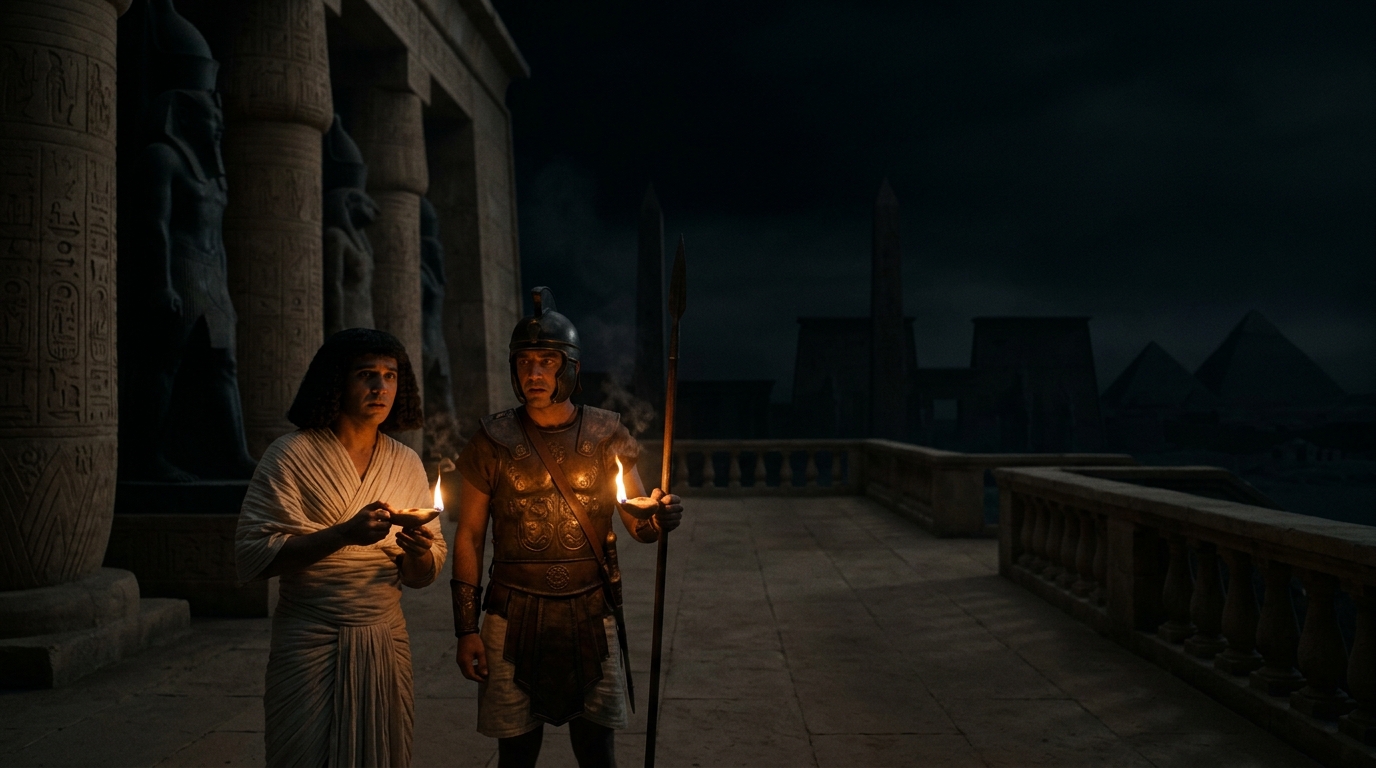
Narrative design can play a pivotal role in maintaining player engagement amidst divine acts. By focusing on the human elements of the story, such as the struggles and triumphs of ordinary Israelites, the narrative can provide a personal connection to the broader, divine-driven events.
Developers might also explore the internal conflict within Moses himself—his doubts, fears, and moments of faith. This personal journey can be mirrored in gameplay, where players must navigate moral and ethical decisions, adding depth to the character and the story.
Case Studies: Existing Games and Their Approach to Player Agency and Predestination
Several existing games offer insights into balancing player agency with predetermined narratives. For instance, The Witcher 3 successfully combines a rich, predetermined storyline with player-driven choices that impact character relationships and world states. Similarly, Detroit: Become Human uses branching narratives to provide players with a sense of control, even as the overarching plot remains fixed.
These examples highlight the importance of giving players meaningful choices that affect the world and characters around them, even if the ultimate outcome aligns with a predetermined narrative.
Conclusion: Crafting Meaningful Player Experiences in a Moses Game
Creating a game based on the story of Moses requires a delicate balance between divine intervention and player agency. By employing strategies such as branching paths, contextual decision-making, and a focus on human narratives, developers can craft an engaging experience that respects the source material while empowering players.
Ultimately, the goal is to ensure that players feel their actions are significant, fostering a personal connection to the story and its characters. By doing so, a Moses game can offer a unique and compelling exploration of one of history’s most enduring tales.