Silent Reflections: The Transformative Power of Solitude in Moses’ Wilderness Years
Explore Moses’ wilderness years in gaming, focusing on solitude’s role in personal transformation and narrative depth.
Introduction: Setting the Stage for Solitude
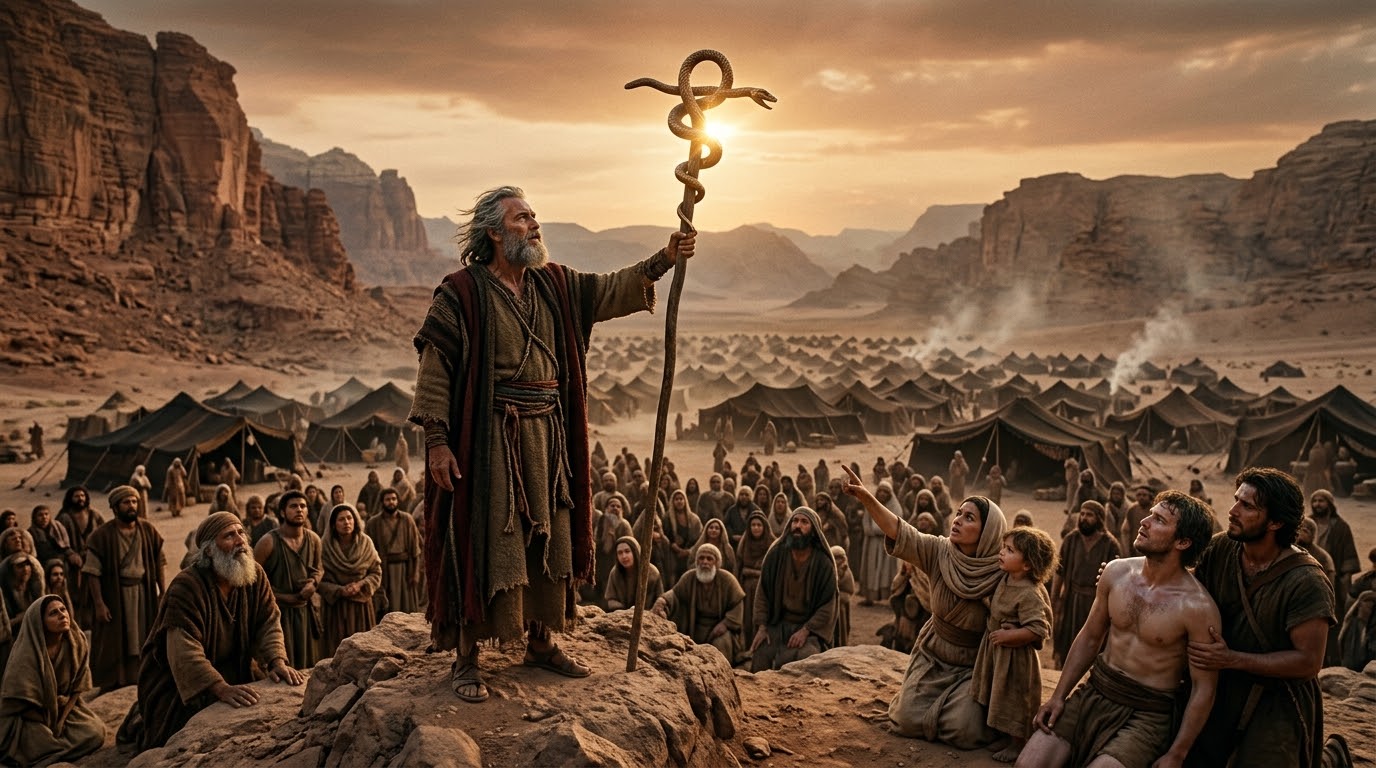
In the realm of video game design, narratives often hinge on grandiose events and intense conflict. However, the story of Moses offers a unique opportunity to explore a different kind of journey—one that is deeply personal and transformative. Moses’ years in the wilderness, as documented in biblical texts, present a rich tapestry for game designers to weave a narrative centered on solitude and introspection. This period of his life, marked by isolation and reflection, is ripe for exploration in a game that prioritizes character development and environmental storytelling over traditional combat and spectacle.
The Wilderness as a Character: Environmental Storytelling
The wilderness itself can serve as a dynamic character in a game about Moses. Rather than a mere backdrop, the desert landscape should reflect Moses’ internal journey. Vast expanses of sand and rock, the imposing presence of mountains, and the rarity of oases can symbolize the challenges and revelations Moses encounters. Game designers can use these elements to create a narrative where the environment is as much a part of the story as Moses himself.
For example, traversing a barren desert could mirror feelings of desolation, while discovering a hidden oasis might symbolize hope and renewal. The changing landscape can guide players through Moses’ emotional states, using visual cues and environmental changes to signify shifts in his personal journey. By integrating environmental storytelling, designers can craft an experience that conveys transformation through visual and atmospheric means.

Mechanics of Reflection: Non-Combat Activities and Missions
To effectively convey personal transformation through solitude, a game should focus on non-combat activities that encourage reflection and discovery. Missions might include meditative tasks such as tending to sheep, exploring ancient ruins, or gathering resources in a way that promotes contemplation rather than conflict.
Quests can be designed to encourage players to engage with the environment and their own thoughts. For instance, players might be tasked with deciphering ancient inscriptions or gathering materials to construct a symbolic monument. These activities can serve as metaphors for Moses’ internal development, emphasizing growth through understanding and reflection rather than through traditional combat scenarios.
Companionship in Solitude: Integrating Zipporah
While solitude is a central theme, the character of Zipporah, Moses’ wife, offers opportunities to explore themes of companionship and understanding. Her presence can add depth to the narrative, providing a counterbalance to Moses’ isolation. Zipporah can be a catalyst for dialogue and introspection, offering different perspectives and insights that enhance Moses’ journey.
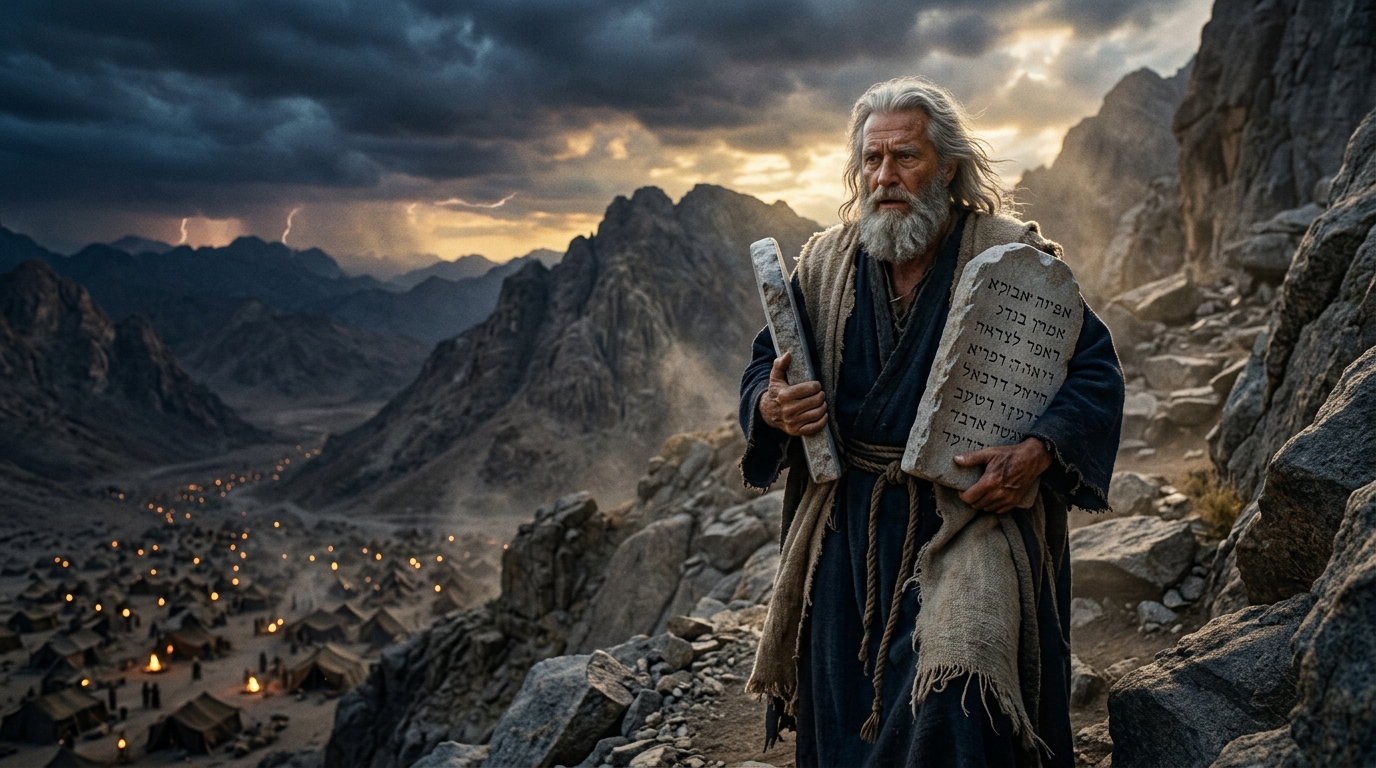
In gameplay, Zipporah might be involved in cooperative tasks or dialogue-driven quests that require players to consider different viewpoints. Her character can be used to explore relational dynamics and the importance of connection, even in times of solitude. This can deepen the narrative by showing how relationships influence personal growth, highlighting the complexity of Moses’ transformative years.
Crafting an Immersive Experience: Atmosphere and Sound Design
Atmosphere and sound design are crucial in creating an immersive experience that captures the essence of Moses’ wilderness years. Ambient sounds of the desert, such as the whisper of the wind or the call of distant wildlife, can enhance the feeling of isolation and reflection. Music can be used sparingly to underscore key moments of revelation or emotional change.
Visuals should emphasize the stark beauty of the wilderness, using lighting and weather effects to reflect Moses’ internal states. For instance, a sudden sandstorm could represent turmoil or confusion, while a clear, starry night might symbolize clarity and peace. By carefully crafting these atmospheric elements, designers can create a game that not only tells a story but also evokes the emotional and psychological journey of its protagonist.
Conclusion: Emphasizing Personal Growth Over Conflict
By focusing on Moses’ years in the wilderness, game designers have the opportunity to create a deeply immersive and reflective experience. This approach emphasizes personal growth and transformation through solitude, using environmental storytelling, non-combat mechanics, and character interactions to engage players on a profound level. By capturing the introspective side of Moses’ life, such a game can offer a unique narrative experience that resonates with players seeking depth and meaning beyond traditional gameplay.