Navigating Dual Loyalties: The Complex Role of Hebrew Elders in a Moses Game
Explore the dual loyalties of Hebrew elders in a Moses game, their influence, and narrative potential in creating complex characters.
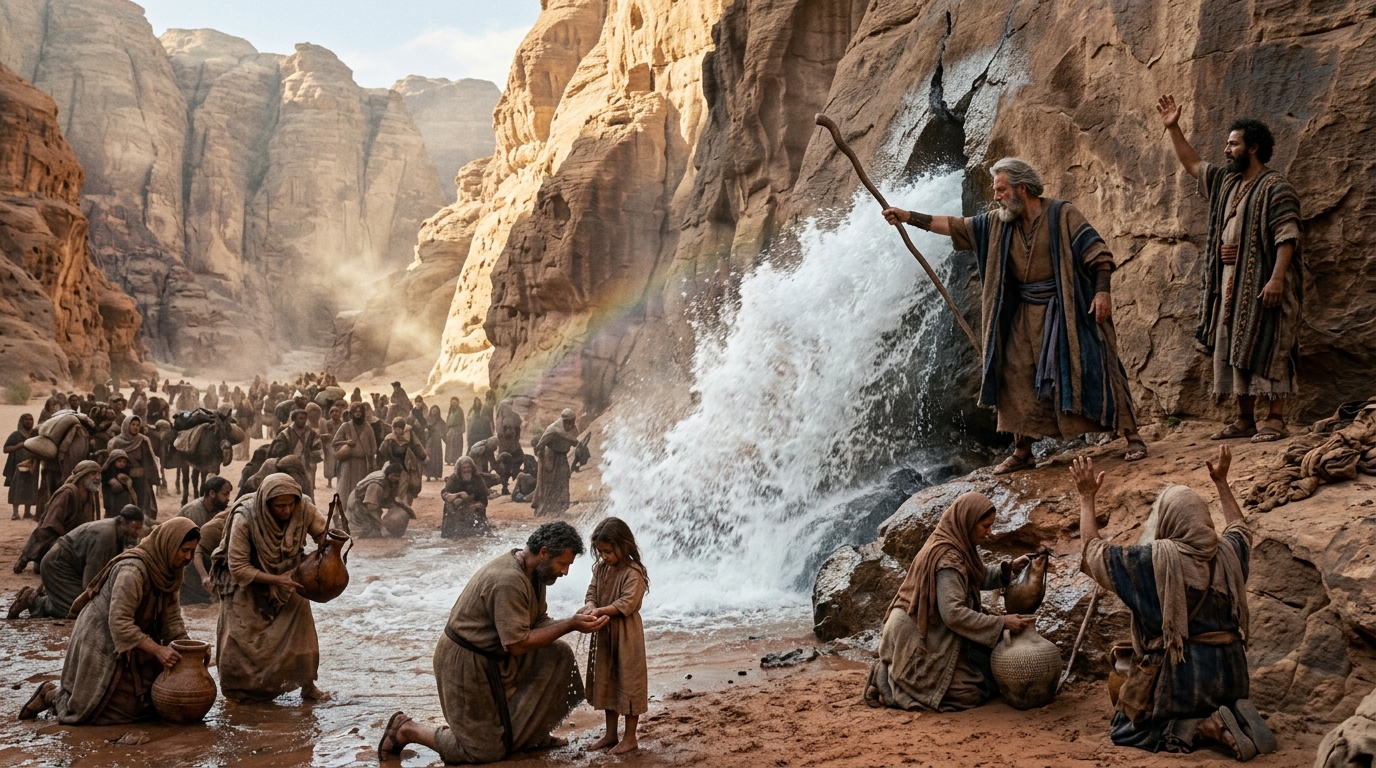
Introduction: The Role of Hebrew Elders
In the context of a video game centered around the biblical narrative of Moses and the Exodus, the Hebrew elders present a fascinating opportunity for character development and storytelling. These figures, often overshadowed by the towering presence of Moses himself, held a unique position of influence and responsibility among the Israelites. By exploring their dual loyalties—caught between the demands of Pharaoh’s court and the needs of their own people—a game can delve into complex themes of leadership, trust, and cultural identity. This article examines how Hebrew elders can be portrayed as pivotal characters in a Moses game, offering rich narrative threads and decision-making opportunities for players.
Historical and Biblical Context
The Hebrew elders are mentioned in biblical accounts as leaders among the Israelites during their time in Egypt. While specific historical evidence is sparse, biblical texts suggest they played a crucial role in community leadership and negotiations with Egyptian authorities. They were likely responsible for maintaining order, conveying the concerns of their people, and possibly even mediating between the Israelites and Pharaoh’s court. This dual role would have placed them in a difficult position, balancing the survival and well-being of their people with the demands of a powerful foreign ruler.
Dual Loyalties: Elders in Pharaoh’s Court vs. Their Own People
The Hebrew elders’ position as intermediaries presents a rich vein of narrative potential. In a Moses game, these characters could be depicted as individuals torn between their obligations to Pharaoh and their loyalty to their fellow Israelites. This tension provides a fertile ground for storytelling, with potential scenarios where elders must decide whether to appease Pharaoh to avoid immediate punishment or to align fully with Moses’ mission, risking severe repercussions.
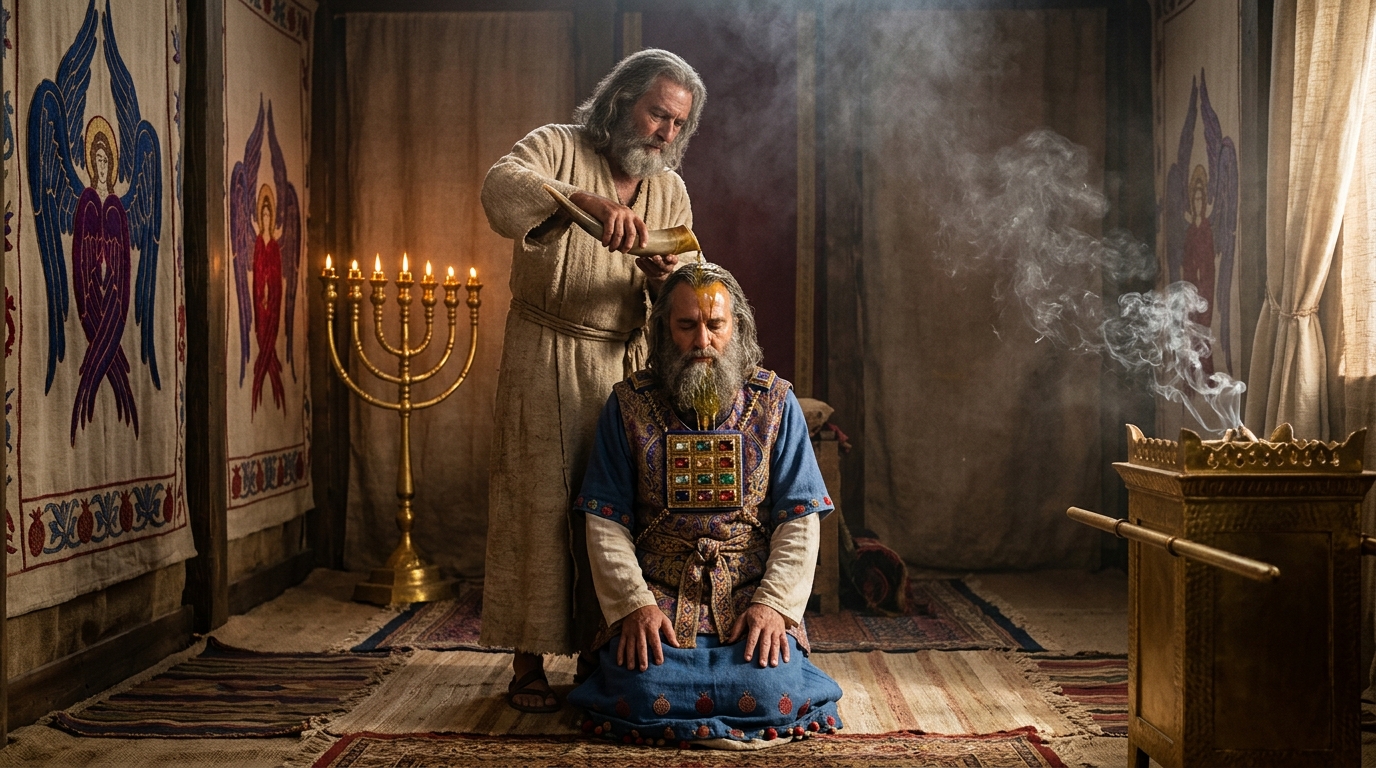
Such dual loyalties could be explored through various in-game situations, such as secret meetings with Moses and Aaron, where elders must weigh the risks of supporting a rebellion against the security of their families and community. Their decisions could impact the morale of the Israelite community, the pace of the Exodus, and the player’s own strategy in navigating through the game.
Narrative Opportunities and Character Development
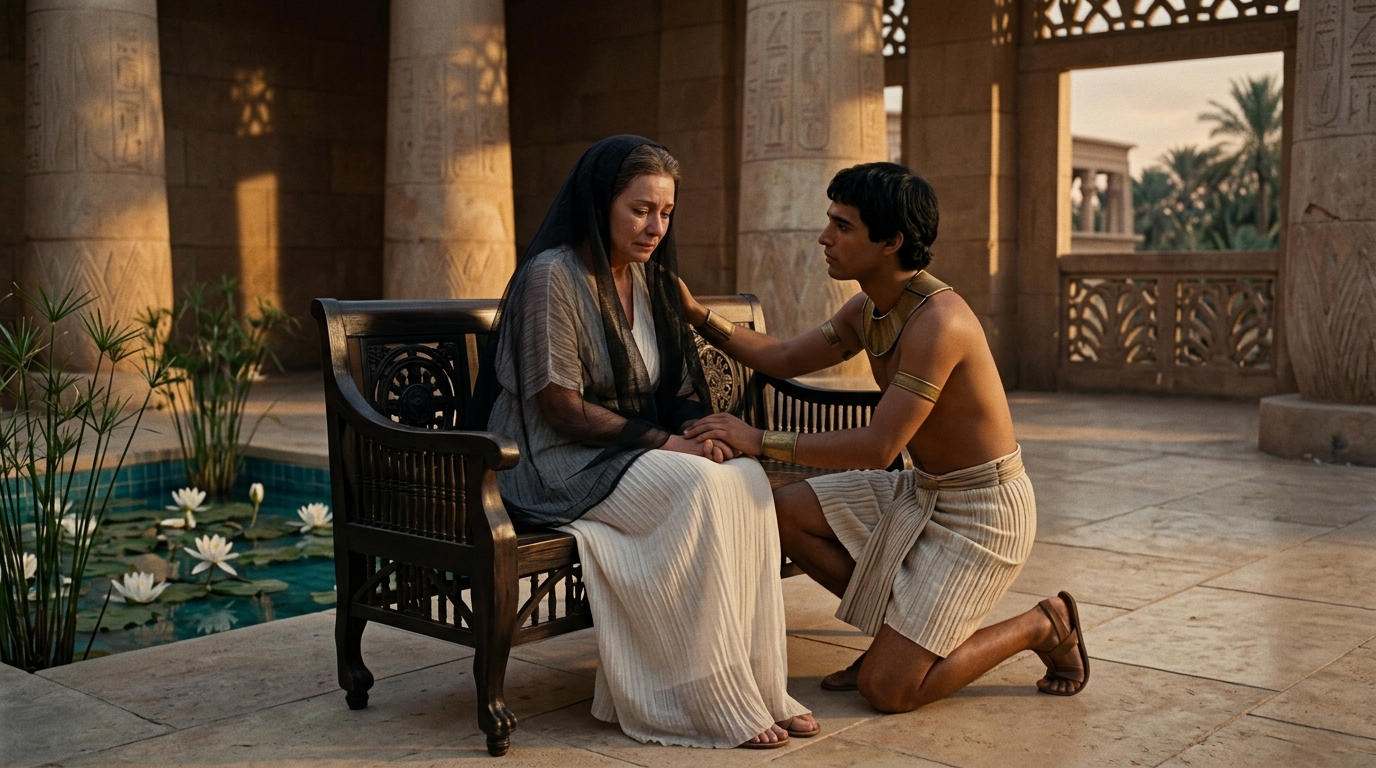
Developing the Hebrew elders as complex, multi-dimensional characters can significantly enhance the storytelling of a Moses game. Each elder could have a distinct personality, backstory, and perspective on the unfolding events. For instance, an elder who has spent years negotiating with Egyptian officials might be more cautious and pragmatic, while another, driven by a deep sense of justice, could be more inclined to support Moses’ cause despite the risks.
The dynamics between the elders themselves, as well as their relationships with Moses and Aaron, offer additional layers of conflict and alliance. Players could witness heated debates among the elders, each advocating for different courses of action, reflecting the broader tensions within the Israelite community. These interactions could also serve as pivotal moments for players to influence the narrative, choosing which elder to support or persuade.
Game Mechanics and Player Engagement
Incorporating the Hebrew elders into game mechanics can provide players with meaningful choices and consequences. For example, a loyalty system could track the player’s interactions with various elders, affecting their willingness to provide support or resources. Players might need to complete specific quests or tasks to gain the trust of certain elders, which in turn could unlock new abilities or strategic advantages.
Decision-making could also be a key mechanic, with players facing dilemmas that test their ethical and strategic thinking. Choosing to align with a cautious elder might offer short-term safety but slow progress, while siding with a more radical elder could accelerate the journey but increase risk. Such mechanics not only enhance player engagement but also reflect the historical realities of leadership and negotiation during the Exodus.
Conclusion: Enhancing Storytelling Through Complex Characters
The Hebrew elders, with their divided loyalties and influential positions, represent a compelling aspect of the Exodus narrative that can be richly explored in a Moses game. By focusing on these characters, game developers can create a more nuanced and immersive experience that highlights the complexities of leadership and community during one of history’s most iconic journeys. Through thoughtful character development and engaging game mechanics, the role of the Hebrew elders can transform from a background detail into a central element of storytelling, offering players a deeper connection to the narrative and its enduring themes.