Balancing Faith and Strategy: Designing a Belief System in a Moses Game
Explore designing a belief system in a Moses game impacting gameplay, decisions, and narrative.
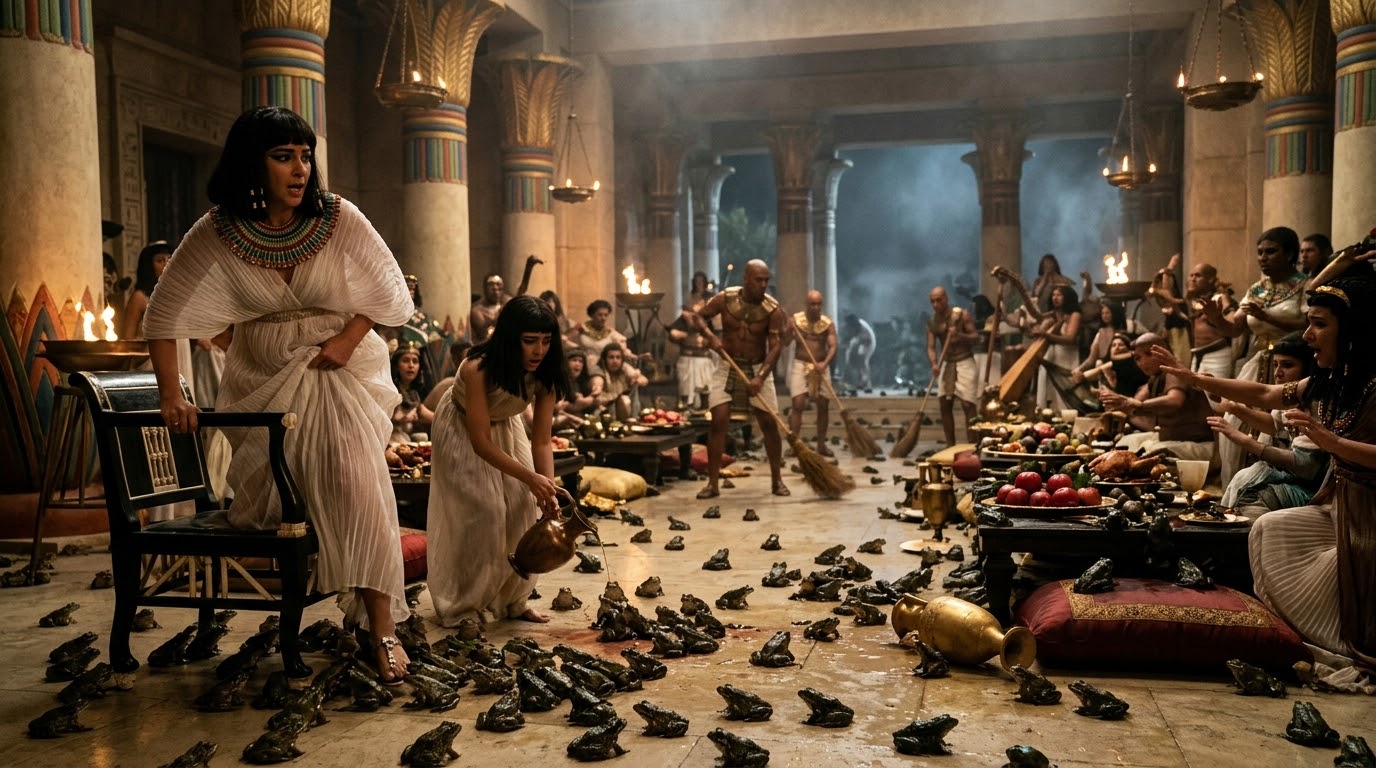
Introduction: The Role of Faith in a Moses Game
In the realm of video game design, few themes offer as rich a tapestry for exploration as the biblical narrative of Moses. The story of Moses is steeped in themes of faith, leadership, and divine interaction, making it an intriguing foundation for a game that seeks to balance narrative depth with engaging mechanics. Central to this endeavor is the integration of a belief system that influences gameplay mechanics, player decisions, and narrative outcomes. This article delves into how such a system could be crafted to enhance the player’s journey through the historically and spiritually significant world of Moses.
Core Mechanics: Designing a Dynamic Belief System
At the heart of a Moses-inspired game lies the potential for a dynamic belief system that goes beyond mere storytelling to actively shape gameplay. This system could manifest as a set of mechanics where players must navigate the complexities of faith, doubt, and divine intervention. For instance, players might be tasked with making decisions that test their faith, such as choosing to trust in divine promises or taking pragmatic actions in moments of crisis. These choices could influence the game’s progression, altering the narrative and unlocking different paths based on the player’s level of faith or skepticism.
To implement this, designers could create a “Faith Meter” that tracks the player’s belief level. High faith could grant players access to miraculous events or divine assistance in challenging scenarios, while low faith might require reliance on strategic resource management or alliances with other characters. This mechanic would not only reflect the biblical tension between faith and doubt but also provide a strategic layer that impacts gameplay.
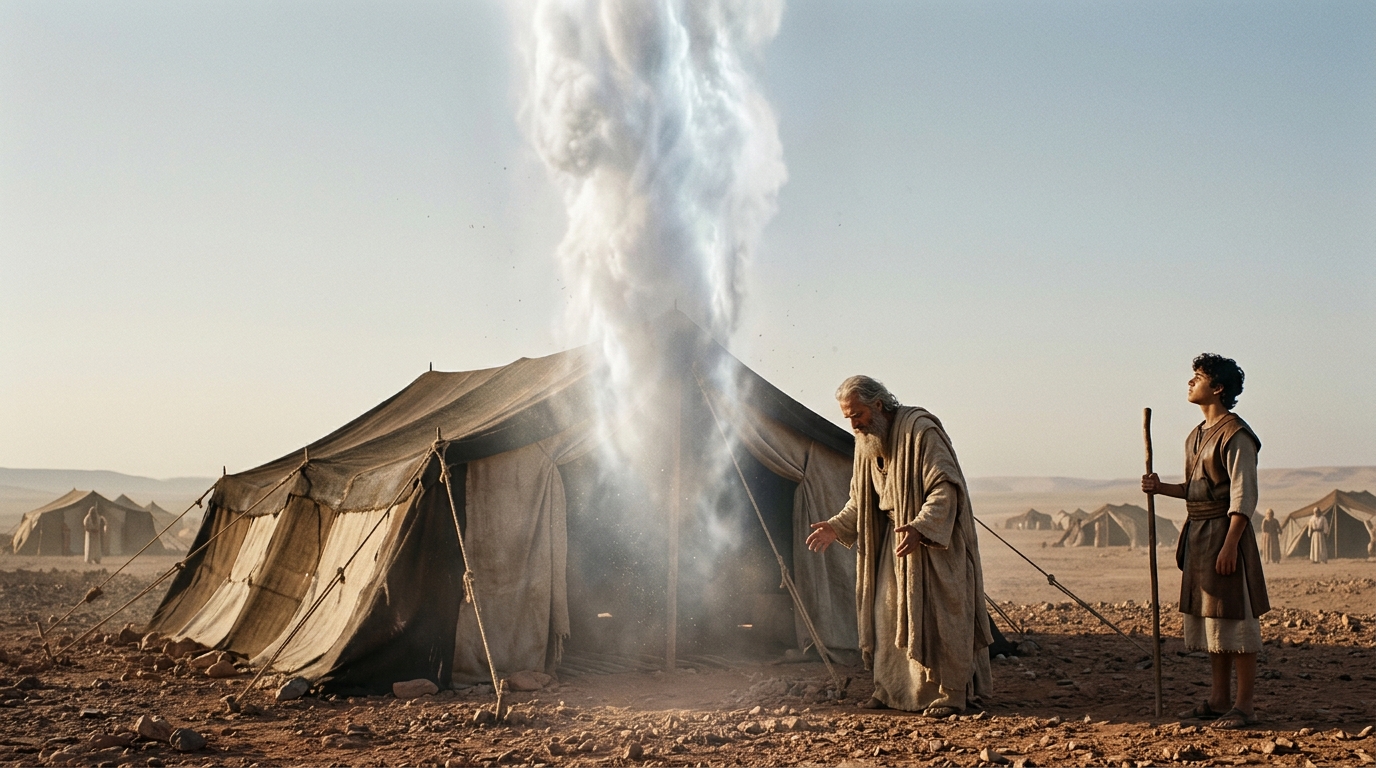
Player Experience: Interactions Between Faith and Strategy
The integration of faith into gameplay mechanics offers a unique opportunity to blend narrative and strategy. Players could encounter scenarios where their faith influences the outcome of battles, negotiations, or explorations. For example, a high belief level might inspire followers and boost morale during a pivotal confrontation, while doubt could lead to dissent and decreased effectiveness.
Moreover, the game could feature quests that require players to interpret divine signs or prophecies, adding an element of puzzle-solving that hinges on the player’s spiritual insight. Such interactions would challenge players to consider the broader implications of their faith-driven choices, thereby deepening their engagement with the game world.
Character Development: Faith Influences on NPCs and Allies
A belief system in a Moses game could also profoundly affect character development and interactions. Non-playable characters (NPCs) and allies might respond differently based on the player’s faith level, influencing relationships and quests. Characters with strong personal beliefs could become allies or adversaries, depending on how well their faith aligns with the player’s actions.
This dynamic could extend to the depiction of key biblical figures, such as Aaron or Joshua, whose trust in Moses might waver if the player’s decisions consistently reflect doubt. Conversely, maintaining a high level of faith could strengthen bonds with these characters, unlocking cooperative quests or unique narrative arcs.
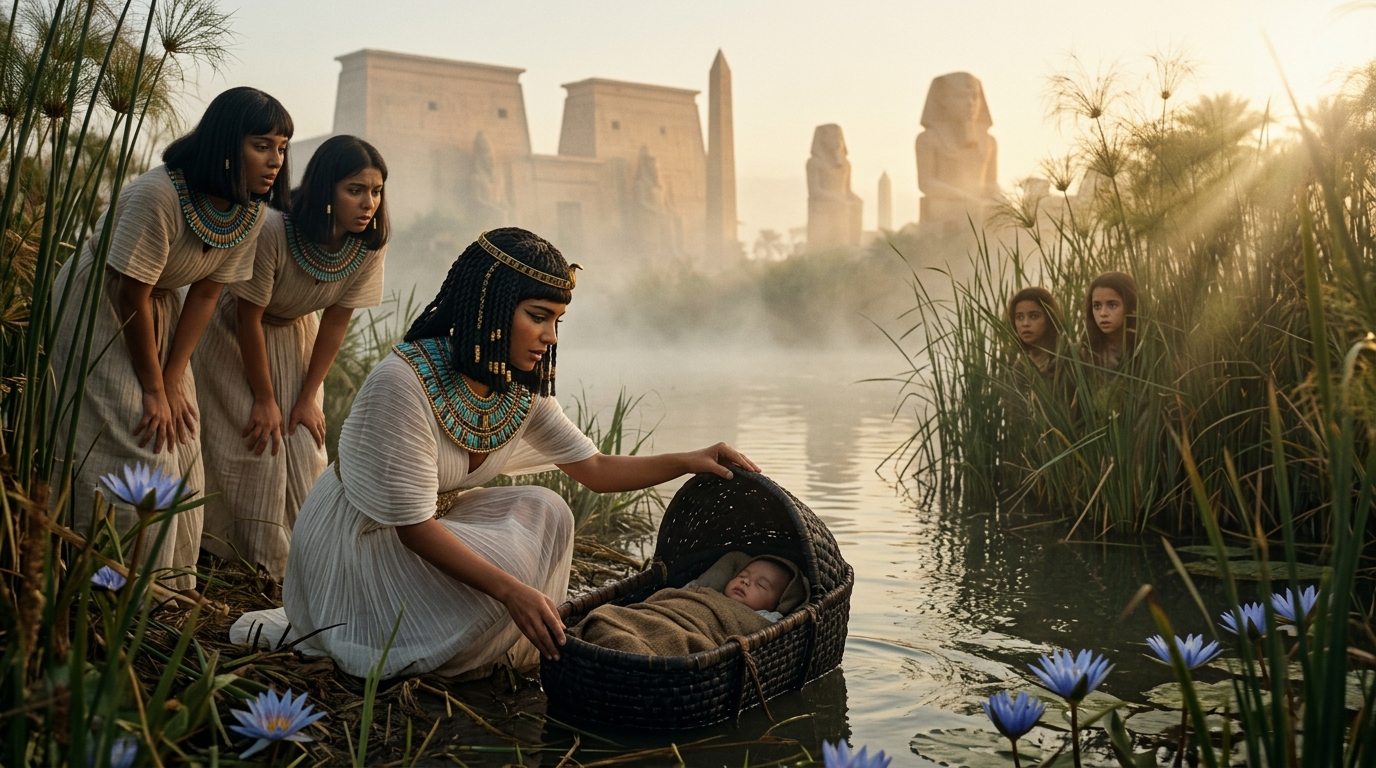
Challenges and Opportunities: Authenticity vs. Gameplay
Designing a belief system that respects the source material while providing engaging gameplay presents significant challenges. The biblical narrative of Moses involves miraculous events that, if depicted solely as combat encounters, could risk trivializing their spiritual significance. Instead, these events should be framed as moments of narrative and emotional impact, where the player’s faith influences the unfolding story.
Balancing authenticity with gameplay also involves navigating the historical context of Ancient Egypt. The game should reflect the complexity of daily life, including agriculture, trade, and social structures, to create a believable world. This attention to detail can enhance immersion and provide a richer backdrop for the player’s faith-driven journey.
Conclusion: The Impact of Belief on Player Engagement and Storytelling
A belief system in a Moses game offers a compelling way to engage players beyond traditional mechanics. By intertwining faith with strategy, character development, and narrative, designers can create a multifaceted experience that resonates with players on both intellectual and emotional levels. Such a system not only enriches the storytelling but also invites players to explore the profound themes of faith and doubt that define the Moses narrative.
Ultimately, the integration of a belief system in a Moses game has the potential to transform the player’s journey, making it a deeply personal exploration of faith and leadership. As players navigate the challenges and triumphs of the Exodus, their choices will shape a story that is as much about the human experience as it is about divine intervention.