The Tactics of Tension: Pharaoh’s Security Network and Internal Threats in a Moses Game
Explore Pharaoh’s security network and political intrigue in a Moses game, creating tension and player engagement through historical and narrative depth.

Introduction: Setting the Scene of Pharaoh’s Power
The story of Moses and the Exodus is a cornerstone of biblical narrative, marked by divine interventions and epic confrontations. However, beneath the surface of miracles and plagues lies a complex web of political intrigue and power dynamics within Pharaoh’s court. In crafting a video game inspired by these events, developers face the challenge of portraying Pharaoh’s regime not just as an antagonist, but as a living, breathing entity with its own internal conflicts and security apparatus. This article explores how a Moses game can leverage the historical and narrative richness of Ancient Egypt’s political landscape to create a compelling and immersive player experience.
Pharaoh’s Security Network: Structure and Function
To realistically portray Pharaoh’s security network, a game must delve into the intricacies of Ancient Egyptian governance. Pharaoh’s rule was not just maintained by divine right but also through a sophisticated security apparatus that included a network of spies, military forces, and loyal advisors. This network was responsible for maintaining order and suppressing dissent in a vast and diverse empire.
In a game setting, players could encounter various elements of this security network. For example, they might need to navigate a complex hierarchy of officials, each with their own agendas and loyalties. Players could be tasked with gathering intelligence or subverting key figures within the regime. Such interactions would highlight the tension between maintaining order and the ever-present threat of rebellion, offering a nuanced view of power in Ancient Egypt.

Internal Threats: Political Intrigue and Potential Insurgencies
Beyond external threats like the Hebrews’ growing dissatisfaction, Pharaoh’s court was rife with internal challenges. Historical records suggest that political intrigue and power struggles were common, with factions vying for influence. A Moses game could explore these dynamics by introducing players to a cast of characters each representing different interests within the court.
Potential scenarios might include palace conspiracies, where players must decide whom to trust and how to navigate shifting alliances. These elements could be tied to quests that require subtlety and strategic thinking, as players work to destabilize Pharaoh’s hold on power from within. By integrating such internal threats, the game can provide a layered narrative that goes beyond the simplistic good-versus-evil dichotomy.
Integrating Tension into Gameplay Mechanics
Creating engaging gameplay mechanics around Pharaoh’s security network and internal threats involves balancing historical authenticity with player agency. One approach could be to implement a dynamic reputation system, where players’ actions influence their standing with various factions. This system could impact access to resources, information, and allies, making each decision carry significant weight.
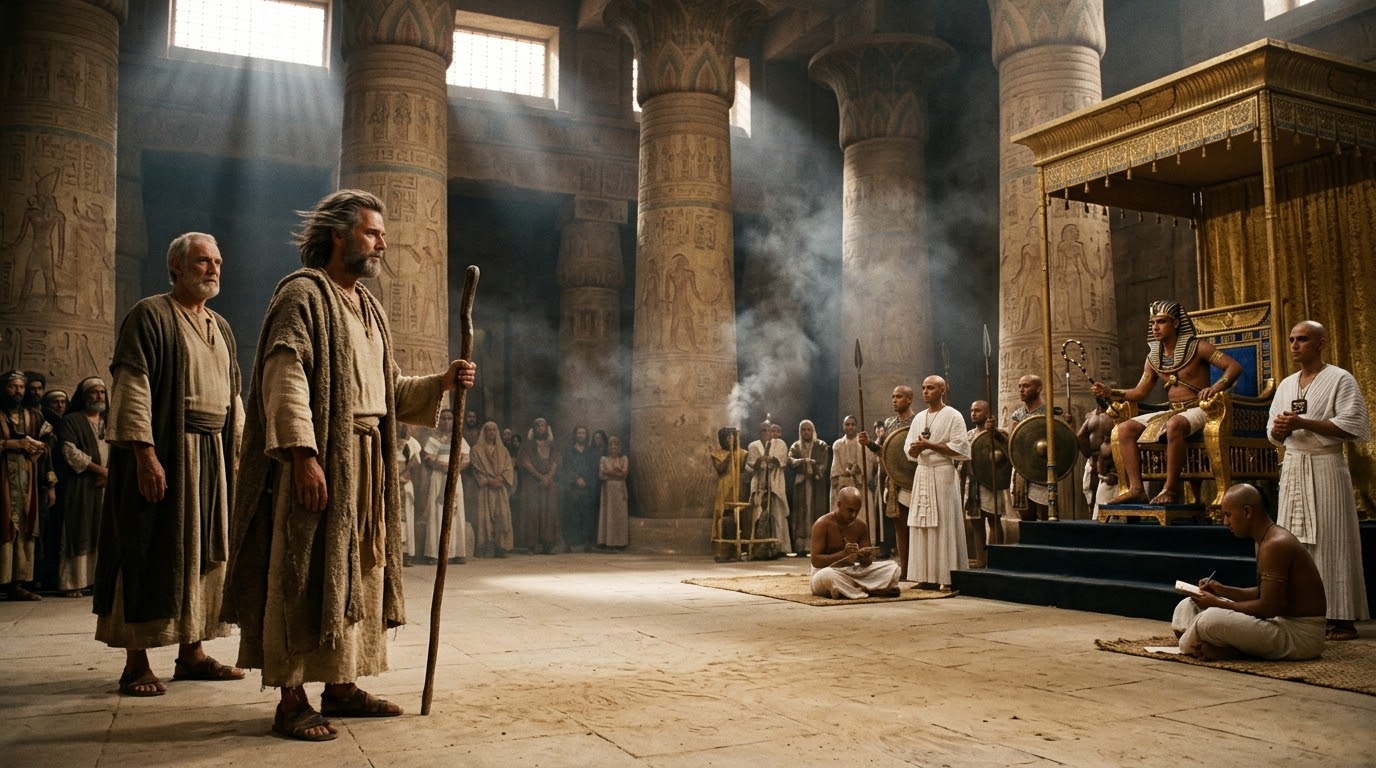
Another potential mechanic is the use of stealth and espionage. Players might conduct covert operations to gather intelligence or sabotage key operations, requiring careful planning and execution. These missions could be designed to reflect the high stakes and tension of operating within a hostile regime, adding depth to the player’s experience.
Moral and Strategic Decisions for Players
The moral complexities of navigating Pharaoh’s court offer rich opportunities for player engagement. As players interact with different factions, they will face ethical dilemmas that challenge their understanding of right and wrong. For instance, players might need to decide whether to ally with a morally dubious faction to achieve a greater goal, or whether to sacrifice short-term gains for long-term stability.
These decisions can be further complicated by the game’s portrayal of the common people of Egypt. By including quests that highlight the impact of political decisions on ordinary citizens, the game can encourage players to consider the broader consequences of their actions. This approach not only enhances narrative depth but also fosters empathy and critical thinking.
Conclusion: Crafting a Dynamic Antagonistic Landscape
Incorporating Pharaoh’s security network and internal threats into a Moses game offers a unique opportunity to explore the complexities of power and resistance in Ancient Egypt. By focusing on the intricate political landscape and the moral challenges it presents, developers can create a dynamic and engaging experience that resonates with players. Such a game would not only honor the biblical narrative but also provide a fresh perspective on one of history’s most enduring stories, inviting players to question, strategize, and immerse themselves in a world of tension and intrigue.