River of Life: Exploring the Role of the Nile in an Ancient Egypt Game World
Explore how the Nile River can transform an open-world Ancient Egypt game into a dynamic, immersive experience.
The Nile’s Central Role in Ancient Egyptian Life
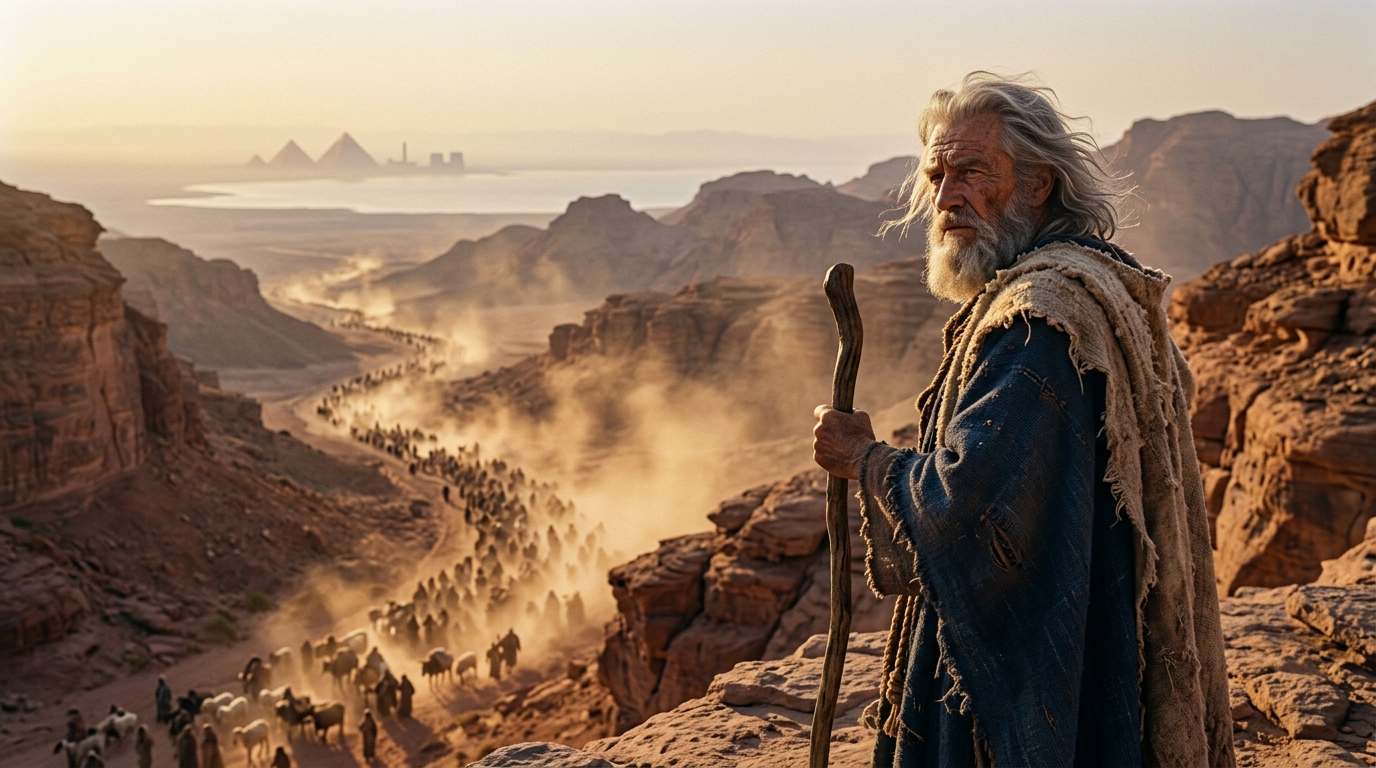
The Nile River, often referred to as the lifeblood of Ancient Egypt, was central to the civilization’s development. Its annual inundation brought fertile silt to the land, enabling agriculture to flourish in an otherwise arid landscape. Beyond sustenance, the Nile was a crucial artery for trade, transport, and communication, binding together the disparate regions of Egypt. In a game set in Ancient Egypt, the Nile can serve as a dynamic and interactive element, not merely a backdrop but a vital component influencing gameplay and narrative.
Designing the Nile: Creating a Dynamic and Interactive River System
To truly capture the essence of the Nile in a game world, designers should consider integrating a dynamic river system that reflects its historical significance. This involves simulating the river’s ebb and flow, its seasonal inundation, and its impact on the surrounding environment. Players could experience the river’s changes firsthand, with water levels affecting accessibility to certain areas, creating new paths or obstacles, and influencing the availability of resources.
For instance, during the inundation, areas that are usually accessible might become submerged, pushing players to adapt their strategies and explore alternative routes. Conversely, the receding waters could reveal fertile lands perfect for agriculture, where players might engage in farming mini-games or manage resources to support their communities.
Cultural and Economic Impacts: Simulating the River’s Influence on Society
The Nile’s influence extended beyond the physical realm; it shaped the cultural and economic structures of Ancient Egypt. In a game setting, this can be translated into engaging mechanics where players interact with the river as a source of economic prosperity and cultural significance. Trade routes along the Nile could be bustling with activity, offering players opportunities to engage in commerce, negotiate with traders, and influence the economy of their virtual world.
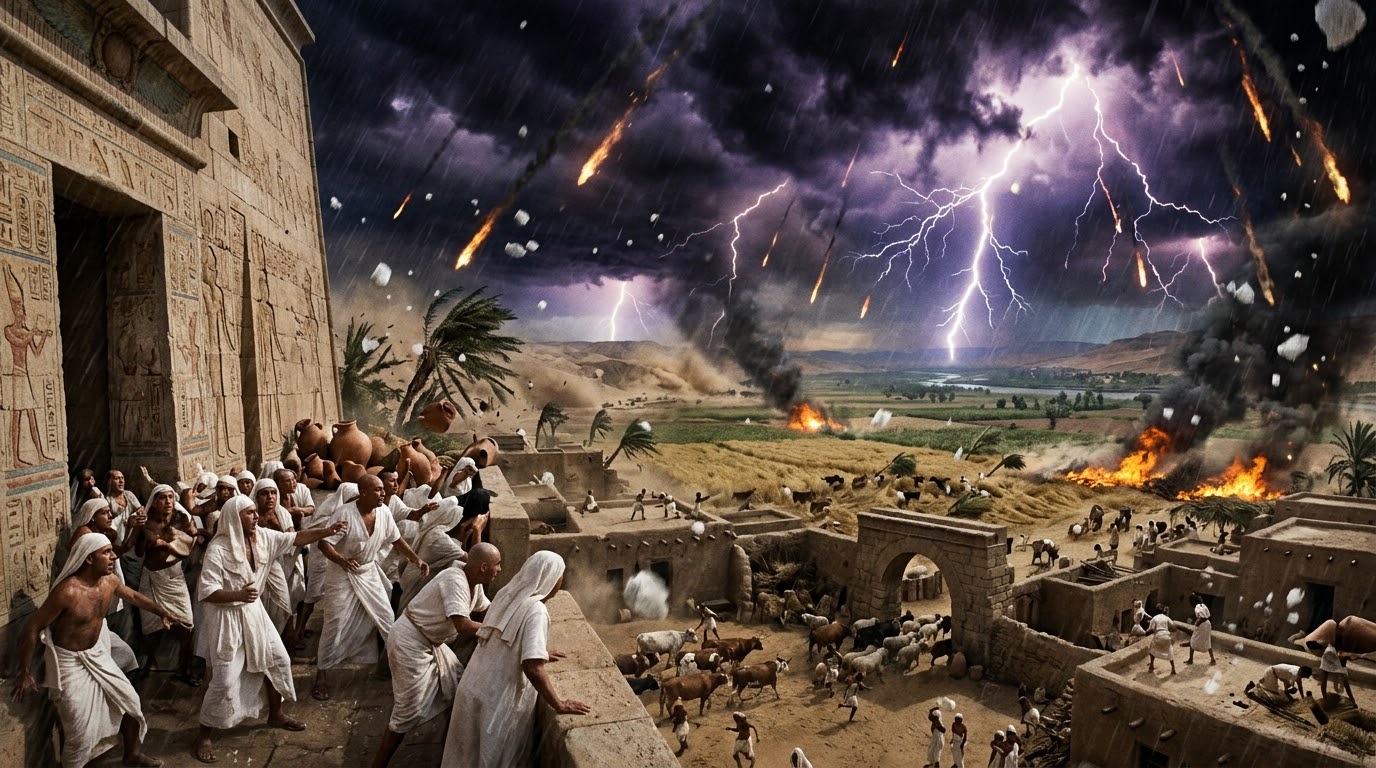
Culturally, the Nile was intertwined with Egyptian mythology and religion. Temples and shrines along its banks could serve as locations for quests or narrative events, where players might participate in rituals or uncover stories about the gods associated with the river. This layer of cultural depth can enrich the player’s experience, making the Nile not just a physical feature but a symbol of spiritual and societal life.
Environmental Storytelling: Crafting Diverse Ecosystems Along the Nile
Environmental storytelling is a powerful tool in game design, allowing players to learn about the world through exploration and interaction. Along the Nile, diverse ecosystems such as wetlands, agricultural zones, and bustling trade hubs can be depicted, each with its own unique flora, fauna, and human inhabitants.
By crafting these ecosystems with attention to detail, designers can create a living world that feels authentic and immersive. Players might encounter a variety of wildlife, from the iconic Nile crocodiles to migratory birds, each playing a role in the ecosystem. Agricultural zones could reflect the ingenuity of ancient farming techniques, with players participating in the cycle of planting and harvest, experiencing the challenges and rewards of managing land along the river.
Seasonal Changes and Inundation: Challenges in Game Design
Simulating the Nile’s seasonal changes presents both challenges and opportunities in game design. The annual inundation was a crucial event in Ancient Egypt, dictating the agricultural calendar and affecting daily life. In a game, this could be represented through dynamic weather systems and changing landscapes, requiring players to adapt their strategies and actions as the environment evolves.
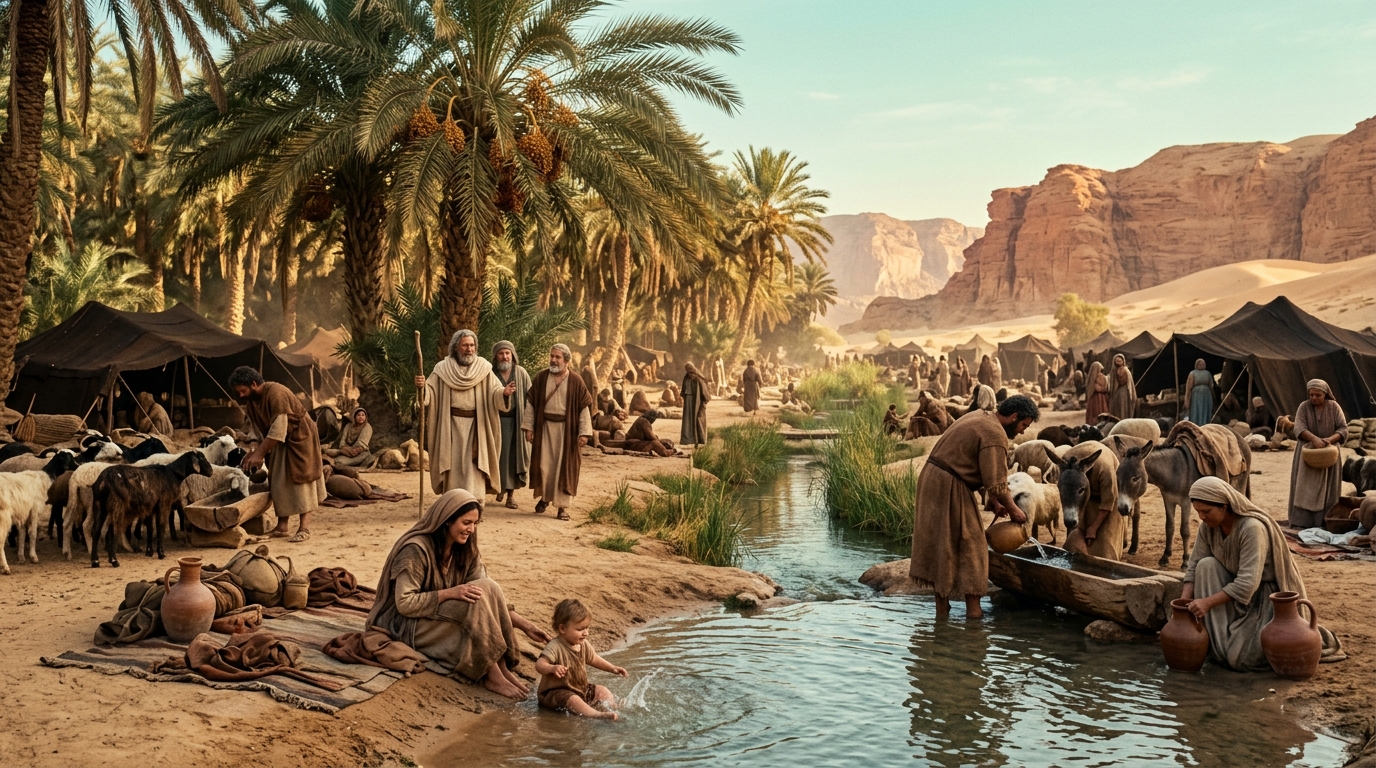
Designers might implement a calendar system where players must plan around the flooding season, preparing their communities and resources in anticipation of the rising waters. This introduces a strategic layer to gameplay, where timing and foresight become essential components of success. Moreover, the inundation could trigger unique events or quests, offering players a chance to engage with the river in new and unexpected ways.
Player Interaction: Shaping the Game World Through the Nile
One of the most compelling aspects of incorporating the Nile into a game world is the potential for player interaction. Players could influence the river’s impact on their communities, engage in decision-making that affects the economy, or participate in quests that alter the narrative landscape.
For example, players might choose to construct infrastructure along the Nile, such as docks or irrigation systems, enhancing their community’s prosperity and unlocking new gameplay opportunities. Alternatively, players could engage in diplomatic missions with other Nile-based settlements, forging alliances or rivalries that shape the political landscape of the game world.
Ultimately, by integrating the Nile as a central element in an open-world Ancient Egypt game, developers can create a richly immersive experience that honors the historical significance of the river while offering players a dynamic and interactive environment. This approach not only provides a fresh angle on the ancient setting but also allows for innovative gameplay that resonates with both historical authenticity and creative exploration.