Whispers of the Desert: Unraveling the Hidden Histories of Ancient Artifacts in a Moses Game
Explore how ancient artifacts can reveal hidden histories in a Moses game, enriching the narrative with deep lore and environmental storytelling.
The Power of Artifacts in Storytelling
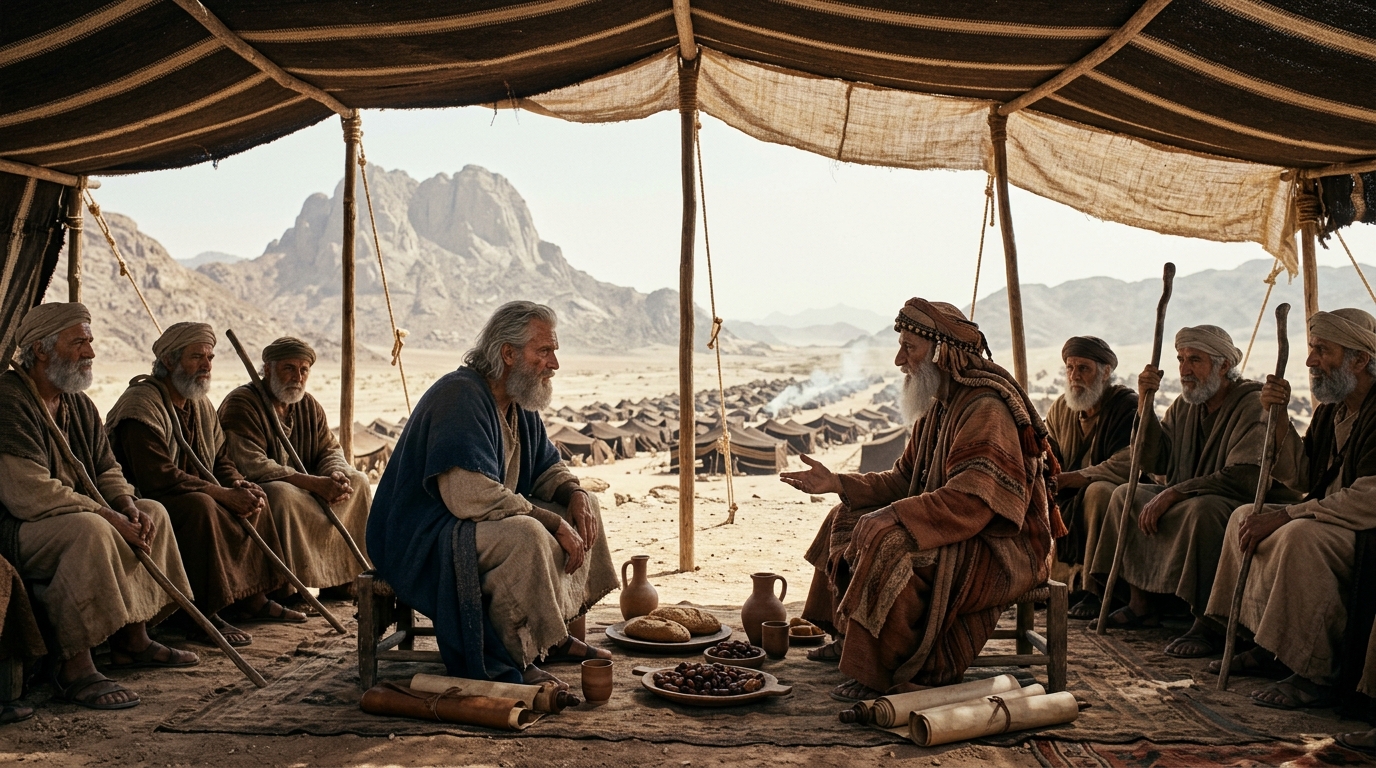
In the realm of video games, artifacts serve as more than mere collectibles; they are vessels of forgotten tales and lost civilizations. In a game inspired by the biblical narrative of Moses, ancient artifacts could play a pivotal role in enriching the player’s experience by unveiling secret histories and providing depth to the story. These objects, scattered across the game world, would not only offer insights into the historical and cultural backdrop of Ancient Egypt but also deepen the understanding of the Exodus narrative. By engaging with these artifacts, players can embark on a journey of discovery that complements the main storyline, offering a nuanced exploration of the past.
Selecting Artifacts: Balancing History and Fiction
Choosing the right artifacts to include in a Moses game requires a delicate balance between historical accuracy and creative storytelling. Artifacts should reflect the cultural and historical nuances of the ancient Near East, encompassing items such as pottery, tools, religious icons, and scrolls. Each artifact can serve as a narrative device, offering players a glimpse into the daily lives, beliefs, and struggles of the people of that era.
For instance, a piece of pottery might reveal trade routes or dietary habits, while a religious icon could provide insight into the spiritual practices of the time. Scrolls, possibly containing decrees or stories, could offer perspectives on governance or folklore. The key is to ensure these artifacts are grounded in historical context while allowing for creative liberties that enhance the game’s narrative and thematic elements.
Interactive Discovery: Mechanics for Unveiling Secrets
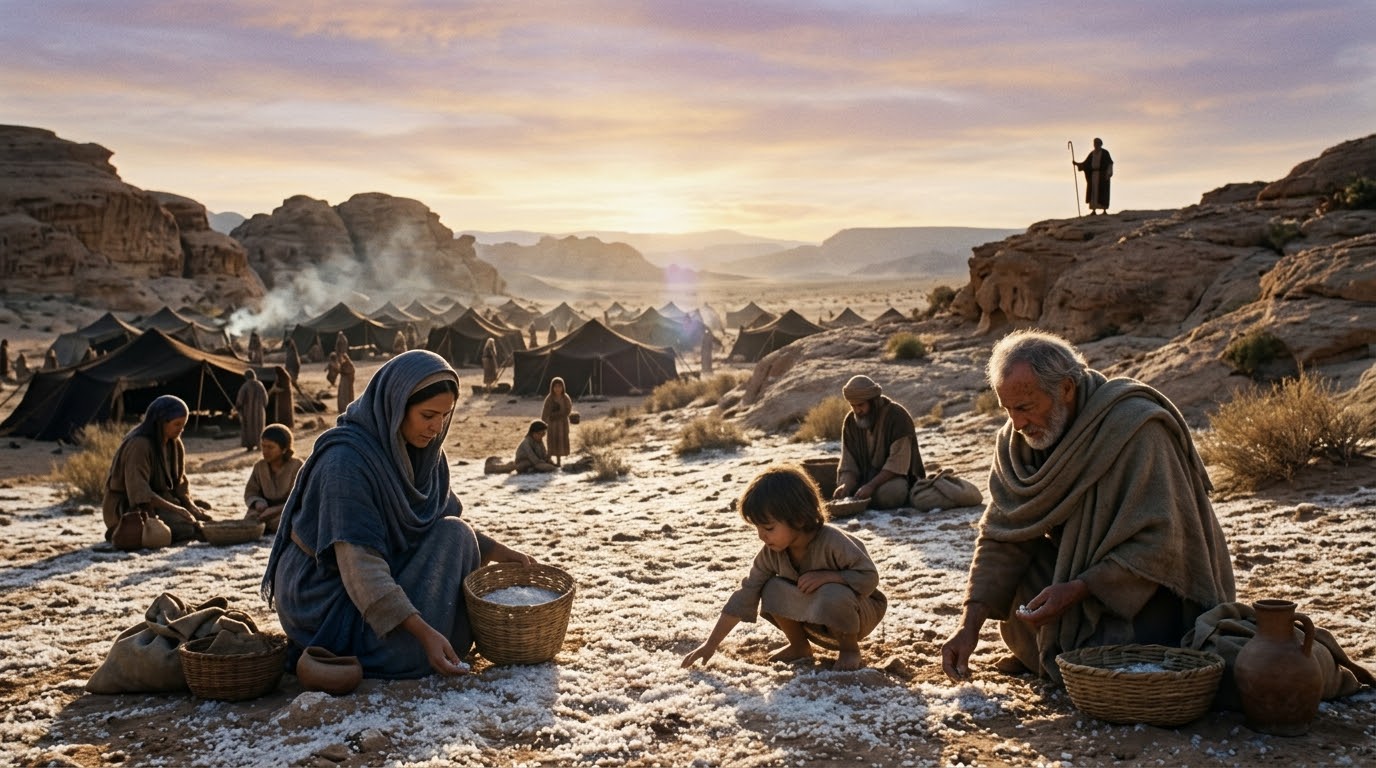
To make the discovery of artifacts feel rewarding and organic, developers must implement engaging mechanics that encourage exploration and curiosity. Players could encounter artifacts through environmental puzzles, excavation mini-games, or by deciphering ancient languages. Such interactions should feel seamless, integrating naturally into the gameplay without disrupting the flow of the main narrative.
For example, players might need to solve a puzzle involving hieroglyphs to unlock a hidden chamber containing a significant artifact. Alternatively, they could piece together fragments of a broken artifact to reveal its full story. These mechanics not only provide a sense of accomplishment but also foster a deeper connection to the game world by encouraging players to actively participate in uncovering its secrets.
Integrating Artifacts into the Game’s World and Lore
Artifacts should be woven into the fabric of the game world, enhancing its lore and atmosphere. Their placement within the environment can tell a story of its own, guiding players to explore and interpret the world around them. For instance, a series of artifacts found along the Nile could narrate the river’s role in sustenance and trade, while a collection of tools might illustrate the technological advancements of the time.
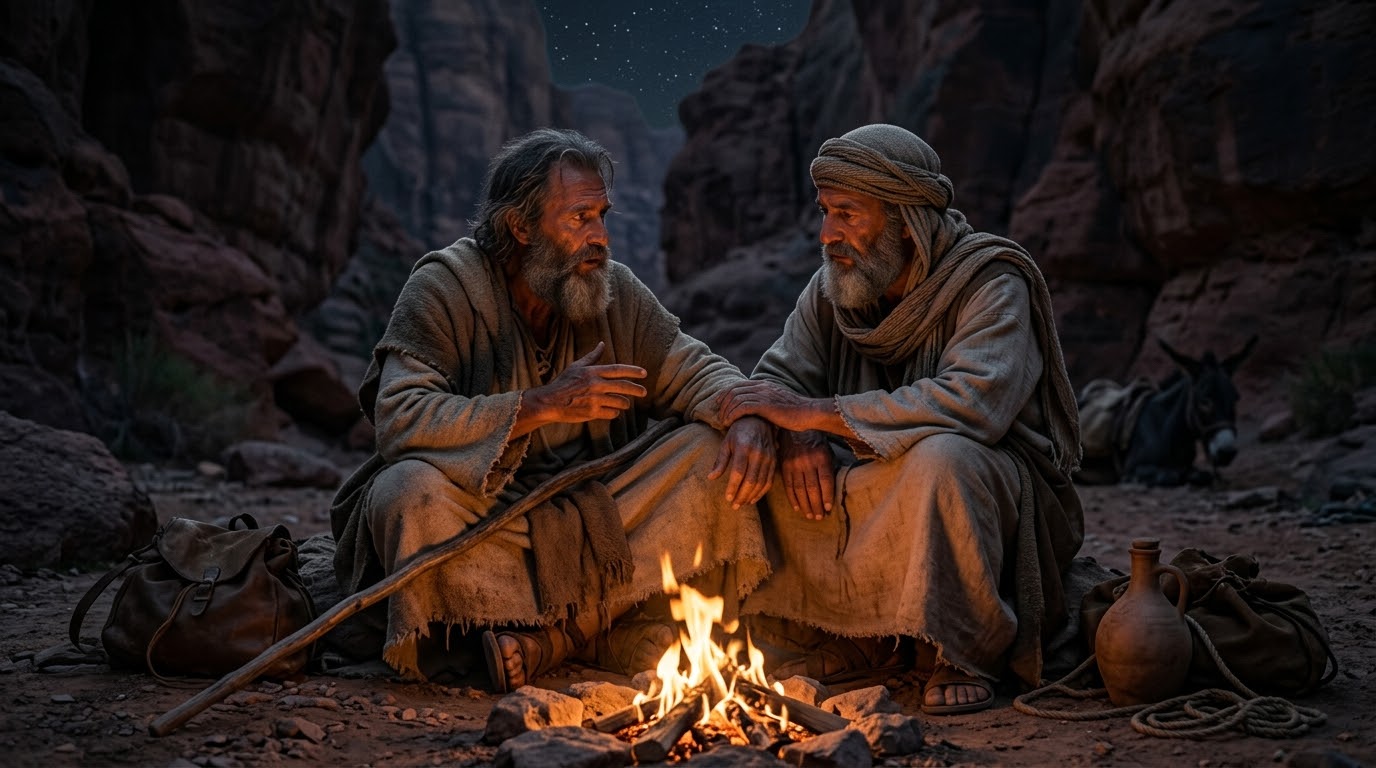
Furthermore, these artifacts could be linked to side quests or character backstories, offering players a richer narrative experience. By interacting with these objects, players could uncover hidden agendas, forgotten alliances, or personal stories that add layers to the main plot. This integration not only enriches the player’s journey but also ensures that the world feels lived-in and authentic.
Challenges and Solutions in Artifact-Based Storytelling
Integrating artifact-based storytelling into a Moses game presents several challenges. Ensuring historical accuracy while maintaining engaging gameplay can be difficult, as can balancing the optional nature of artifact discovery with the main narrative. Additionally, developers must avoid overwhelming players with too much information or making the artifacts feel like mere collectibles.
To address these challenges, developers can focus on creating a cohesive narrative that ties artifacts to the game’s themes and character arcs. Artifacts should enhance, rather than detract from, the primary storyline. Providing players with tools to easily access and track discovered artifacts can also help maintain engagement without overwhelming them. By carefully curating the information and stories each artifact reveals, developers can ensure that these objects contribute meaningfully to the player’s understanding of the game’s world.
Conclusion: Enriching the Player’s Journey through Hidden Histories
Incorporating artifacts into a Moses game offers a powerful opportunity to enrich the player’s journey with hidden histories and deep lore. By carefully selecting and integrating these objects into the game world, developers can create a narrative experience that encourages exploration, curiosity, and engagement. As players uncover the stories behind these artifacts, they gain a deeper appreciation for the historical and cultural context of the Exodus narrative, making their adventure through the desert one of discovery and insight.