The Sanctuary of Solitude: How Wilderness Retreats Shape Moses’ Inner Journey
Explore how solitude and nature in Moses’ wilderness years inspire immersive game design and storytelling.
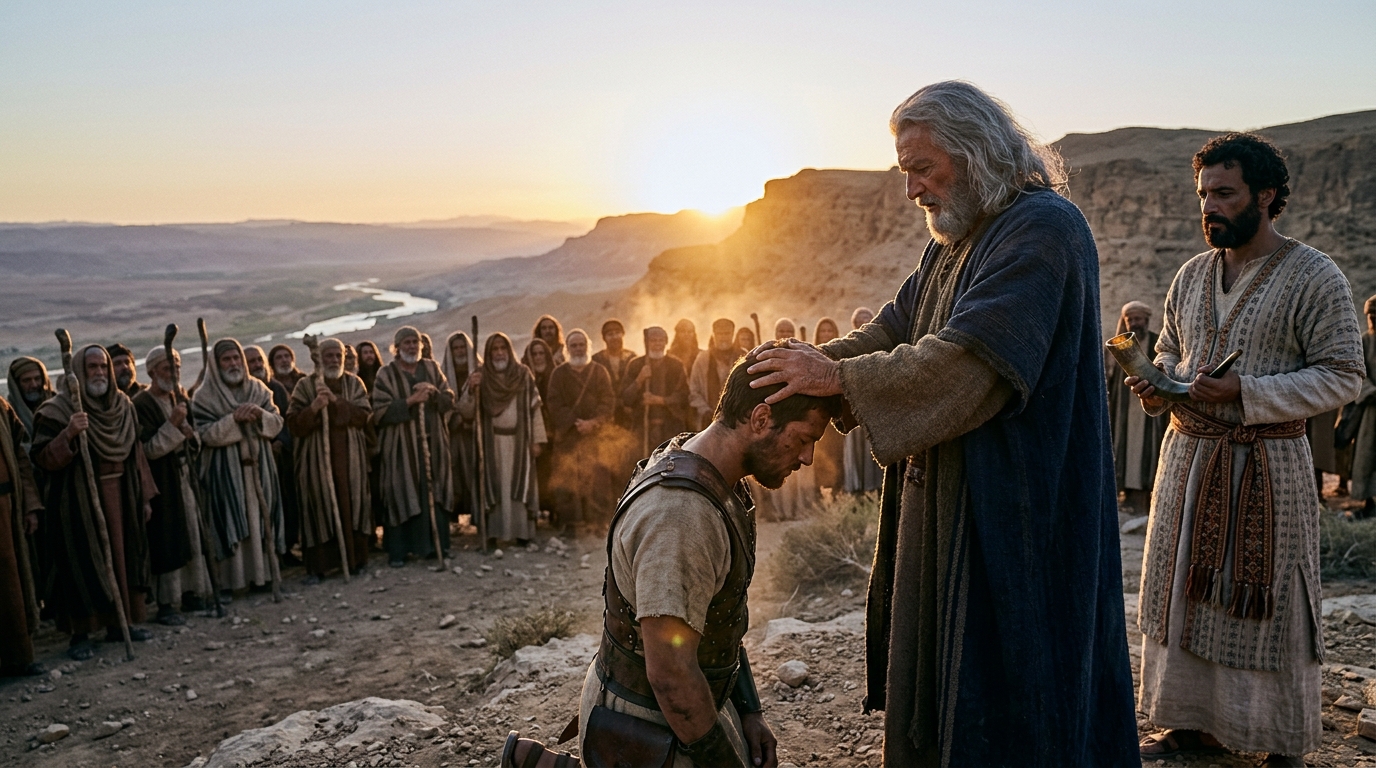
Introduction: The Importance of Solitude in Moses’ Story
The biblical tale of Moses is a cornerstone of storytelling, steeped in themes of liberation, faith, and leadership. Yet, one of the most profound elements of his story is often overlooked: the transformative years he spent in the wilderness. This period, characterized by solitude and introspection, serves as a pivotal chapter in Moses’ life, shaping him into the leader he becomes. For game designers and narrative enthusiasts, Moses’ wilderness experience offers rich insights into crafting immersive and introspective gameplay experiences.
Moses in the Wilderness: Symbolism and Significance
Moses’ journey through the wilderness is not merely a physical trek but a profound inner voyage. After fleeing Egypt, Moses spends 40 years in the Midian desert—a period that symbolizes purification and preparation. The wilderness becomes a sanctuary of solitude where he confronts his doubts and fears, ultimately forging a deep connection with the divine. This phase of isolation is crucial, as it lays the groundwork for his eventual return to Egypt as a leader of his people.
In a video game context, this period can be depicted as an opportunity for players to explore themes of self-discovery and transformation. Through interactive storytelling, players can experience Moses’ internal struggles and revelations, providing a deeper understanding of his character beyond the grandiose miracles and leadership feats.
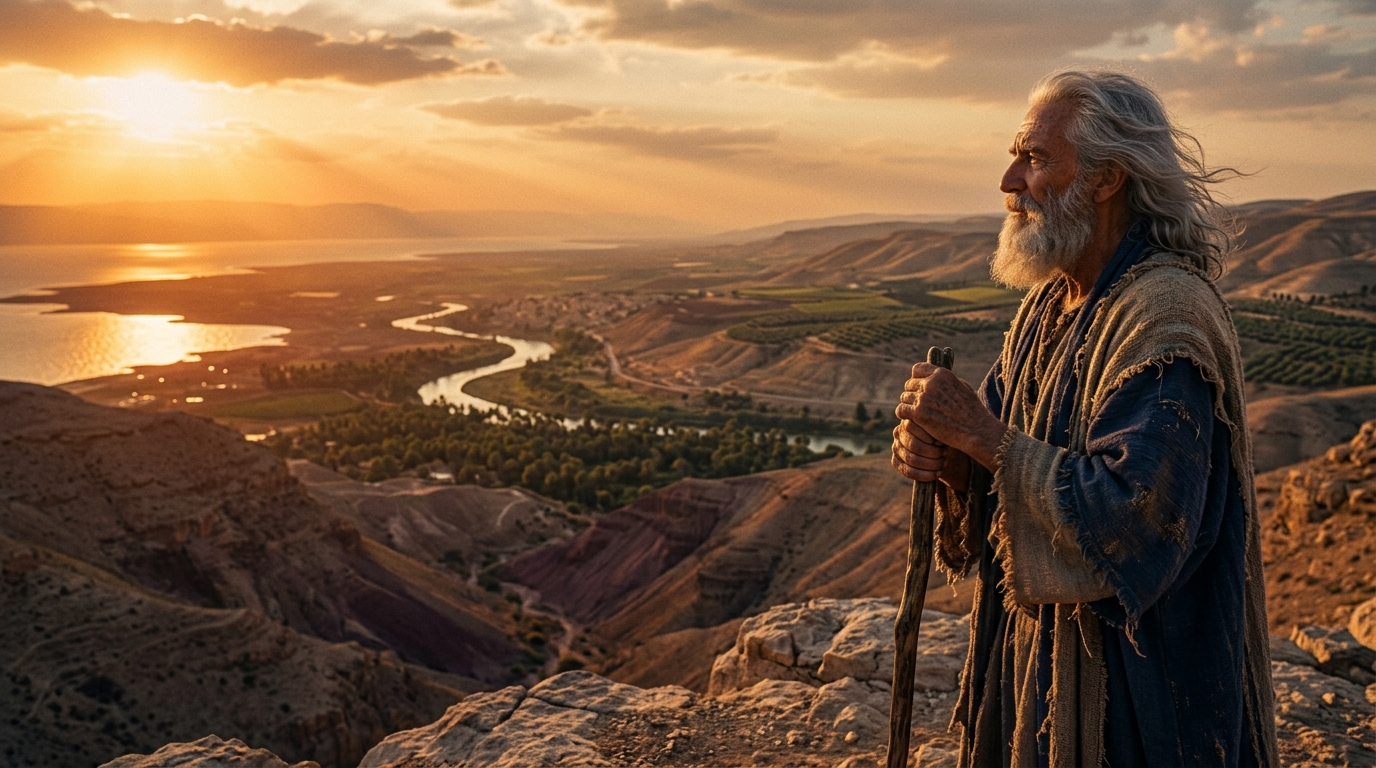
Designing Solitary Spaces: Game Mechanics and Atmosphere
Creating an engaging game environment that captures the essence of solitude requires a careful balance of design elements. Game designers can employ various mechanics to simulate the introspective nature of Moses’ journey. For example, players might navigate vast, open landscapes that evoke a sense of isolation and contemplation, encouraging them to reflect on Moses’ thoughts and emotions.
Atmospheric elements such as changing weather patterns, dynamic lighting, and ambient sounds can enhance the sense of solitude. The quiet rustle of wind through desert sands or the distant call of a bird can create an immersive soundscape that mirrors Moses’ internal state. These elements work together to draw players into Moses’ world, allowing them to experience the weight of his solitude firsthand.
Environmental Storytelling: Leveraging Nature for Emotional Impact
The wilderness is not just a backdrop but a character in its own right, shaping Moses’ journey and reflecting his inner transformation. Environmental storytelling can be a powerful tool in conveying this connection. Designers might use the landscape to symbolize Moses’ spiritual growth, with barren deserts giving way to lush oases as he gains clarity and purpose.
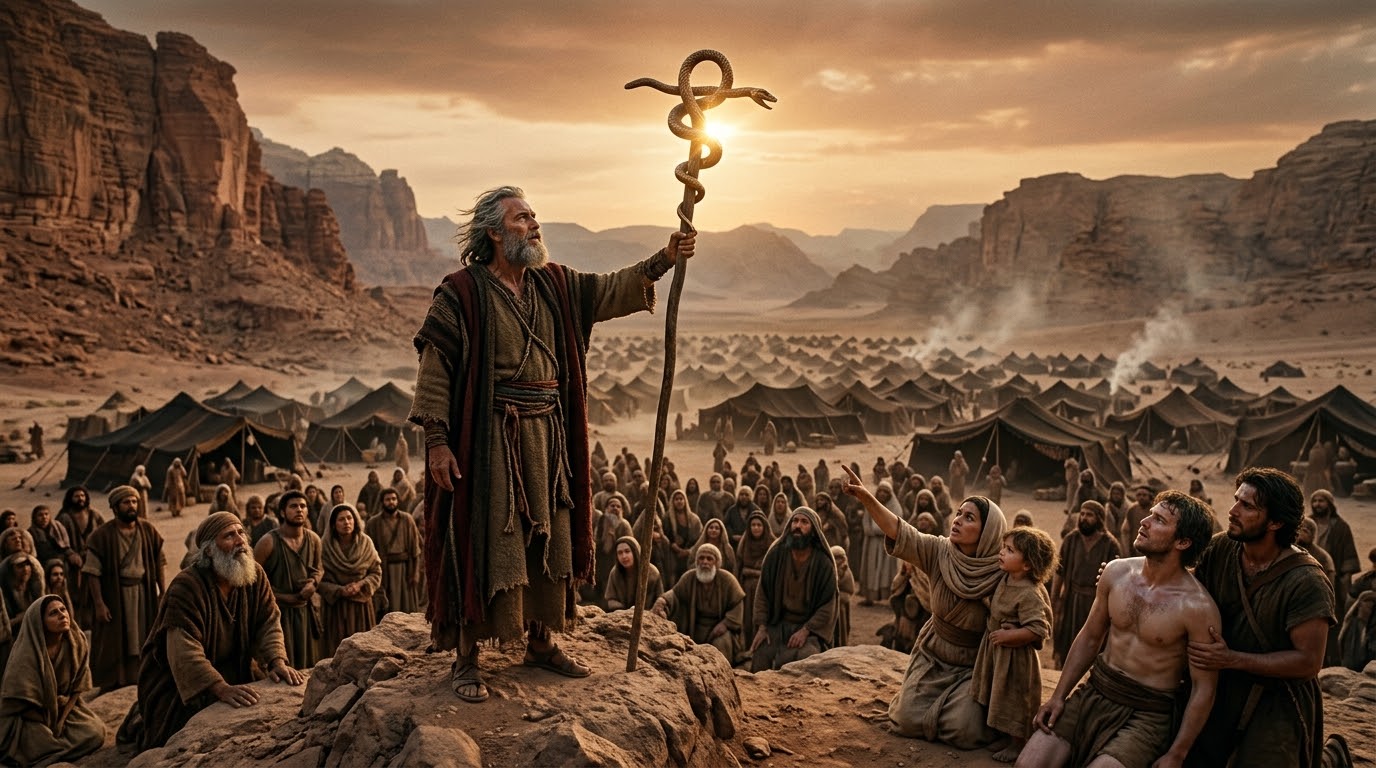
Interactive elements such as discovering ancient ruins or encountering wildlife can serve as metaphors for Moses’ own journey of discovery. These encounters could trigger narrative sequences or flashbacks, providing players with deeper insights into Moses’ past and his evolving relationship with faith and destiny.
Integrating Solitude and Self-Discovery into Gameplay
To effectively integrate themes of solitude and self-discovery, game mechanics should encourage players to engage with the environment and narrative at a thoughtful pace. Quests could involve meditative tasks, such as gathering resources for survival or deciphering ancient texts that reveal divine messages. These activities not only reinforce the theme of introspection but also challenge players to think critically about their actions and choices.
Moreover, the game could incorporate decision-making scenarios that mirror Moses’ own dilemmas, allowing players to explore the consequences of their choices. This interactive approach invites players to experience Moses’ transformation in a personal and meaningful way, fostering a deeper connection to the character and his journey.
Conclusion: Crafting a Meaningful Wilderness Experience
Incorporating solitude and self-discovery into a Moses-inspired video game offers a unique opportunity to explore the character’s inner journey. By focusing on the transformative power of the wilderness, game designers can create an immersive and introspective experience that resonates with players. Through thoughtful environmental design, narrative depth, and engaging mechanics, the game can capture the essence of Moses’ solitude, offering players a chance to embark on their own journey of reflection and growth.