Through Miriam’s Eyes: A Sister’s Influence in a Moses Game
Explore Miriam’s pivotal role in a Moses game, enriching narrative depth and gameplay with her leadership and familial bonds.

Introduction to Miriam’s Character
In the realm of video game narratives, the focus often gravitates towards the protagonist, leaving supporting characters in the shadows. However, in a game centered around the Exodus and the biblical figure of Moses, his sister Miriam offers a rich tapestry of narrative potential. By exploring Miriam’s character, developers can create an immersive experience that highlights her influence, leadership, and the dynamics of her relationship with Moses. Her story provides a unique lens through which players can engage with the well-trodden tale of the Exodus, offering fresh perspectives and deeper emotional connections.
Miriam’s Biblical and Historical Context
Miriam’s story, as recounted in the Bible, presents her as a prophetess and a leader among the Israelites. She is first introduced in the Book of Exodus, where she plays a crucial role in saving her infant brother Moses from Pharaoh’s decree to drown all Hebrew male infants. This act of bravery sets the stage for her lifelong influence on Moses and the Israelites. Later, she emerges as a leader in her own right, guiding the women of Israel in song and dance after the miraculous crossing of the Red Sea.
While historical records outside the Bible are sparse, Miriam’s presence in the narrative underscores her importance in the cultural and religious history of the Israelites. Her character embodies themes of courage, faith, and resilience, making her an ideal candidate for exploration in a video game setting.
Integrating Miriam into Game Mechanics and Story
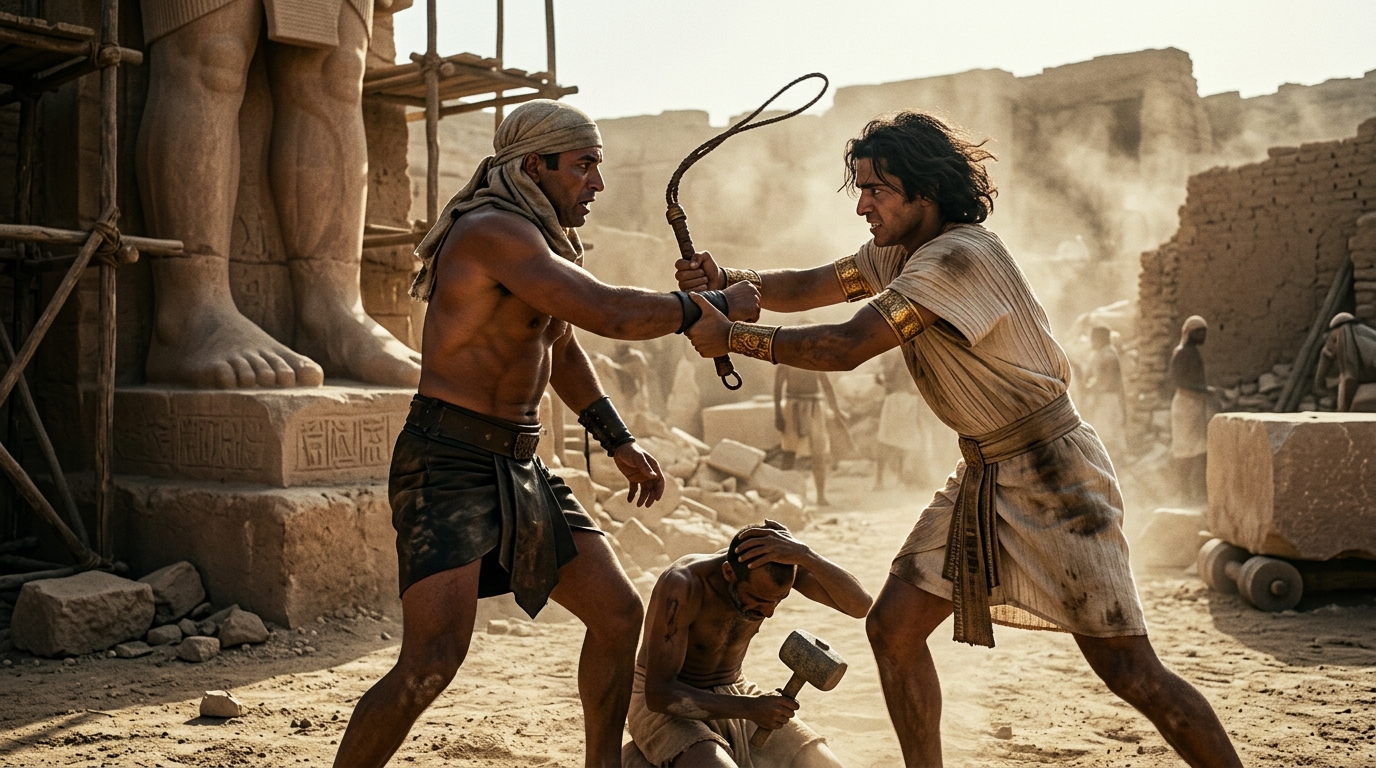
To incorporate Miriam into a Moses game effectively, developers can leverage her unique qualities and historical actions to enrich gameplay and narrative. One possibility is to use Miriam as a guide or mentor figure, offering wisdom and support to Moses as players navigate complex challenges. Her prophetic abilities could be translated into gameplay mechanics, allowing players to receive visions or guidance during critical moments.
Additionally, Miriam’s leadership among the women of Israel can be woven into the storyline, offering players opportunities to engage in side quests or missions that highlight her role in the community. These quests could explore themes of unity, survival, and the power of collective action, providing players with a multifaceted view of the Exodus narrative.
Exploring Miriam’s Relationships and Influence
Miriam’s relationships with Moses, Aaron, and the wider Israelite community are ripe for exploration in a game. Her bond with Moses, in particular, offers a narrative thread that can be developed to reveal deeper insights into both characters. As a sister and confidante, Miriam’s interactions with Moses can provide players with a nuanced understanding of his vulnerabilities and strengths.
Moreover, Miriam’s dynamic with Aaron, the high priest, can introduce players to the complexities of leadership and religious authority during the Exodus. By portraying these relationships with depth and authenticity, developers can create a rich narrative landscape that challenges players to consider themes of loyalty, family, and faith.
Player Engagement with Miriam’s Journey
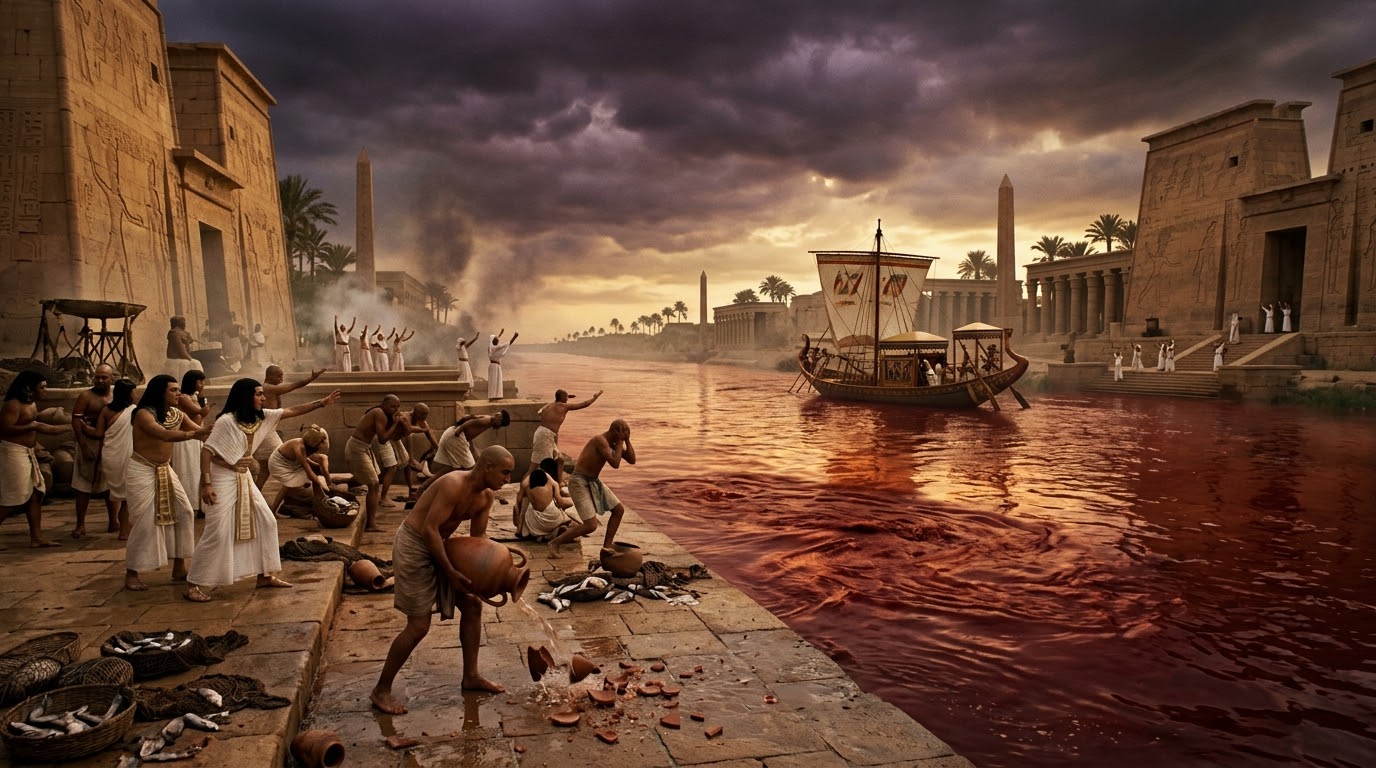
Engaging players with Miriam’s journey involves more than just narrative; it requires interactive experiences that allow them to walk in her sandals. Developers might consider levels or missions where players assume the role of Miriam, making decisions that impact the community or influence Moses’ path. Such gameplay elements can foster empathy and a deeper connection to the story.
Interactive storytelling, where players shape the outcome of events through Miriam’s actions, can also enhance engagement. For example, players could participate in the planning of the Israelites’ escape from Egypt, using Miriam’s strategic insights to overcome obstacles.
Conclusion: Miriam’s Lasting Impact on the Exodus Narrative
By focusing on Miriam, a Moses game can transcend traditional storytelling and offer a fresh perspective on the Exodus narrative. Her character provides a vital link between the personal and the communal, the miraculous and the mundane. Through Miriam’s eyes, players can experience the Exodus not just as a tale of liberation, but as a story of familial bonds, leadership, and enduring faith.
Incorporating Miriam into the game not only enriches the narrative but also challenges players to engage with complex themes and make meaningful choices. As developers strive to create immersive and emotionally resonant experiences, Miriam’s story stands as a testament to the power of supporting characters in shaping the course of history and narrative alike.