Balancing Freedom and Faith: Navigating Moral Choices in a Moses Game
Explore the challenge of integrating player choices in a Moses game while maintaining biblical integrity.
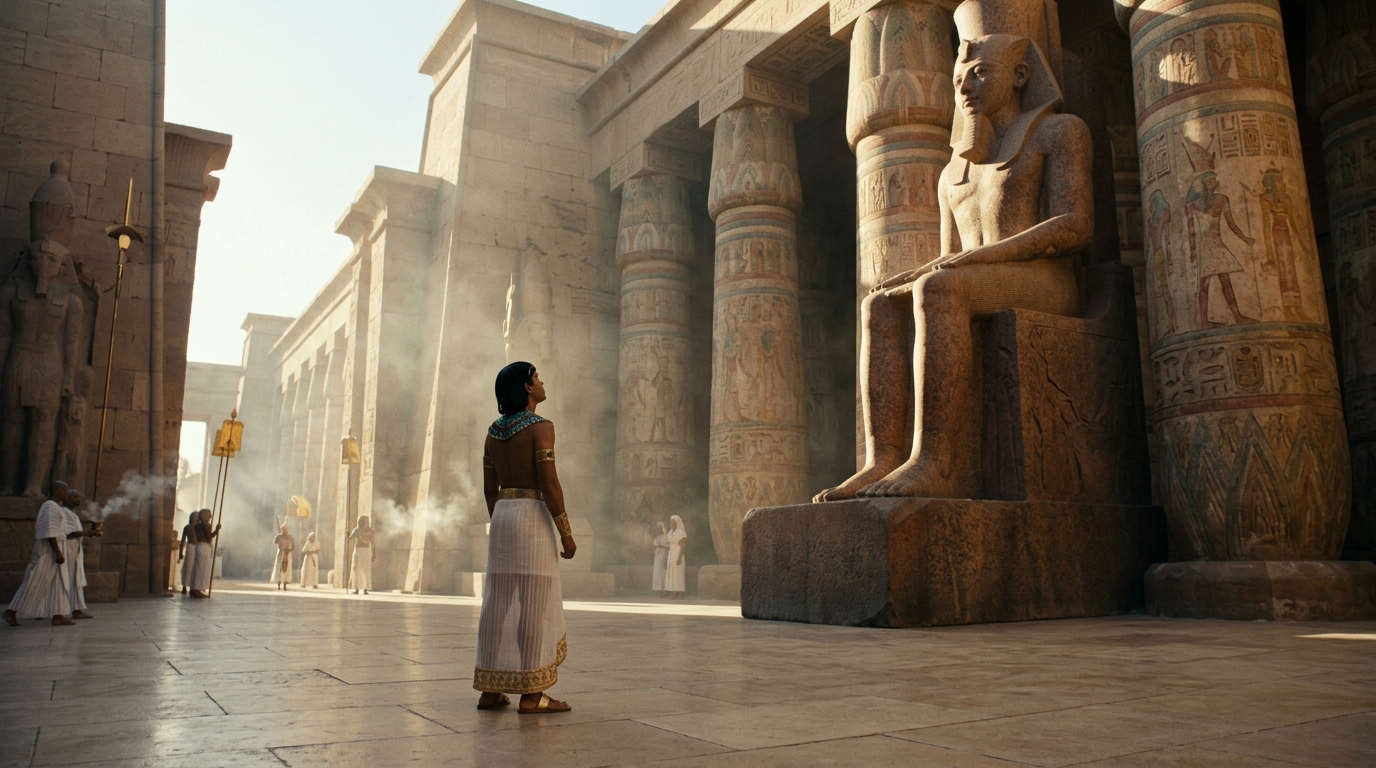
Introduction: The Challenge of Adapting Biblical Narratives into Games
Adapting biblical narratives into video games presents unique challenges, particularly when it comes to maintaining the integrity of the source material while offering players meaningful choices. The story of Moses, with its rich tapestry of moral and faith-based decisions, provides fertile ground for interactive exploration. Yet, it raises a critical question: how can developers design a game that allows for player agency without compromising the theological and cultural significance of the biblical narrative?
Understanding Player Agency in Religious Contexts
Player agency is a cornerstone of modern game design, allowing players to influence the story and shape their experiences. However, when it comes to adapting religious texts like the story of Moses, this freedom must be carefully balanced with respect for the source material. The biblical account of Moses is not just a story; it is a foundational narrative for millions of people around the world. As such, developers must navigate the delicate task of offering choices that feel significant without misrepresenting or trivializing the text.
Designing a Moral Choice System Aligned with Faith-Based Decisions
To create a moral choice system that aligns with the story of Moses, developers can draw inspiration from his pivotal decisions, such as leading the Israelites out of Egypt and facing the challenges of the desert. These moments can be transformed into gameplay scenarios where players must weigh their options carefully, considering the consequences of their actions on their community and faith.
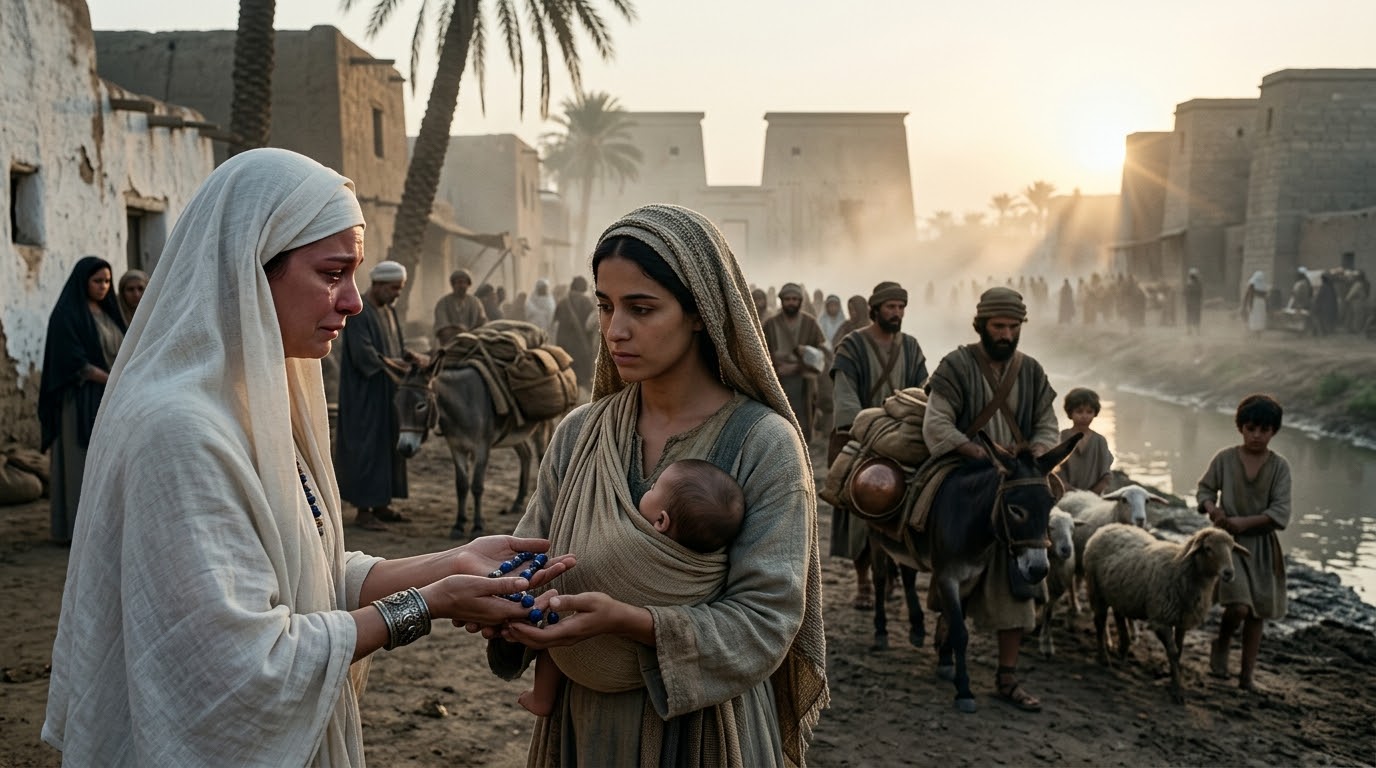
For example, a game could present players with choices that reflect Moses’ struggles with leadership and obedience to divine commands. Players might decide whether to follow a direct path or explore alternative routes, each with its own set of challenges and moral implications. By rooting these choices in the biblical narrative, developers can ensure that the game remains true to its source while engaging players in meaningful decision-making.
Balancing Story Fidelity and Player Freedom
One of the most significant challenges in adapting the story of Moses into a game is balancing fidelity to the biblical narrative with the freedom players expect. Too much freedom could lead to deviations that undermine the story’s core messages, while too much fidelity might stifle creativity and player engagement.
To address this, developers can implement branching storylines that allow for multiple interpretations of key events, while still guiding players toward a resolution that aligns with the biblical account. For instance, players might experience different paths through the plagues of Egypt or the crossing of the Red Sea, but all roads ultimately lead to the Promised Land. This approach provides room for exploration and personal interpretation, without losing sight of the narrative’s essential themes.
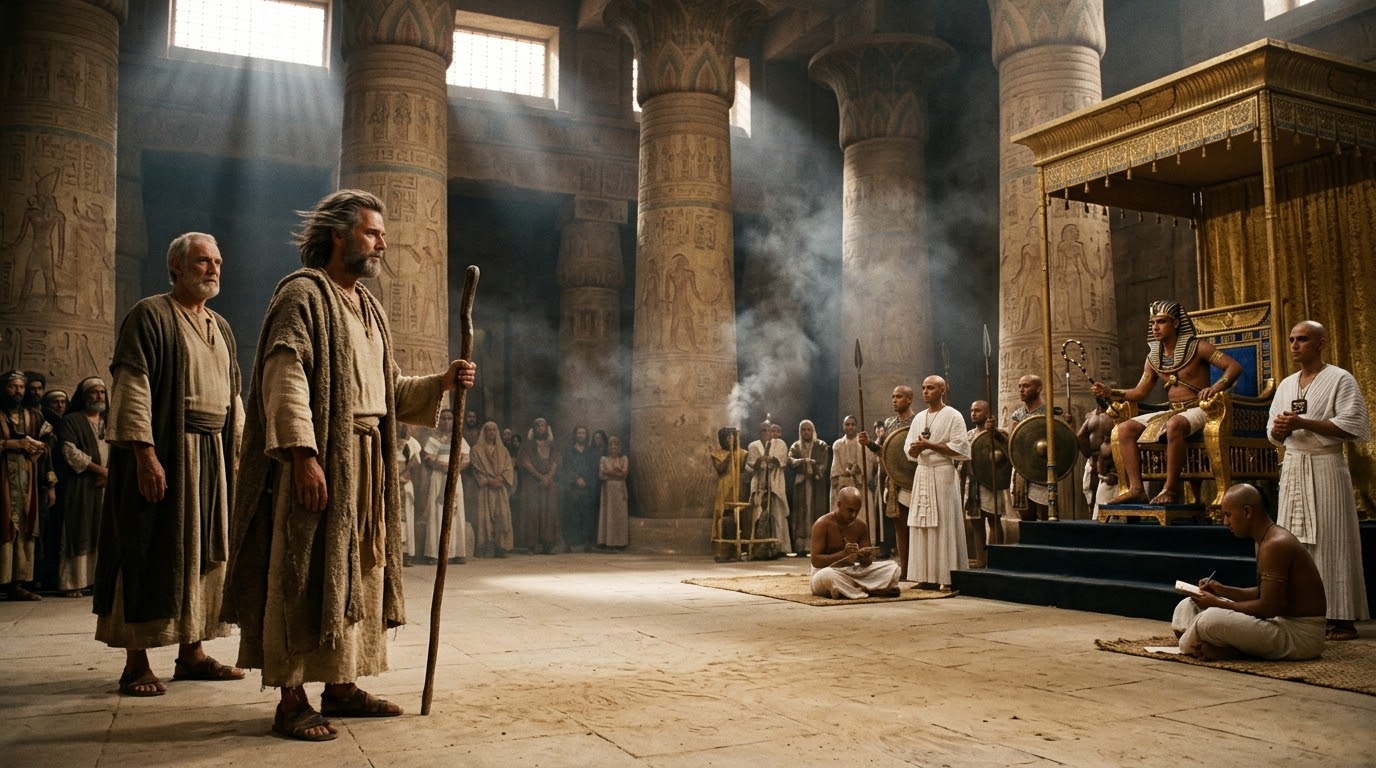
Respectful Representation of Religious and Cultural Diversity
The story of Moses is significant not only to Judaism but also to Christianity and Islam. This diversity presents both an opportunity and a challenge for game developers seeking to create an inclusive experience. To handle this respectfully, developers should engage with scholars and religious leaders to ensure that the game accurately reflects the beliefs and values of these faiths.
Incorporating diverse perspectives can also enrich the game’s narrative, offering players a deeper understanding of the cultural and historical context of Moses’ journey. By presenting the story through various lenses, the game can foster empathy and appreciation for the shared heritage and differences among these religious traditions.
Conclusion: The Path Forward in Game Design and Biblical Adaptations
Creating a video game based on the story of Moses is a complex but rewarding endeavor. It requires a careful balance between player freedom and narrative fidelity, as well as sensitivity to the cultural and religious significance of the source material. By integrating thoughtful moral choices and respecting diverse perspectives, developers can craft an experience that not only entertains but also educates and enlightens players.
As game design continues to evolve, the adaptation of biblical narratives like that of Moses offers a unique opportunity to explore the intersection of faith and interactivity. By honoring the story’s integrity while embracing player agency, developers can pave the way for a new era of meaningful, respectful, and engaging biblical adaptations in gaming.