The Secrets in the Sand: Unearthing Hidden Pathways and Symbols in a Moses Game
Explore how hidden pathways and symbols in a Moses game enrich storytelling and reward exploration.
The Allure of Hidden Pathways and Symbols
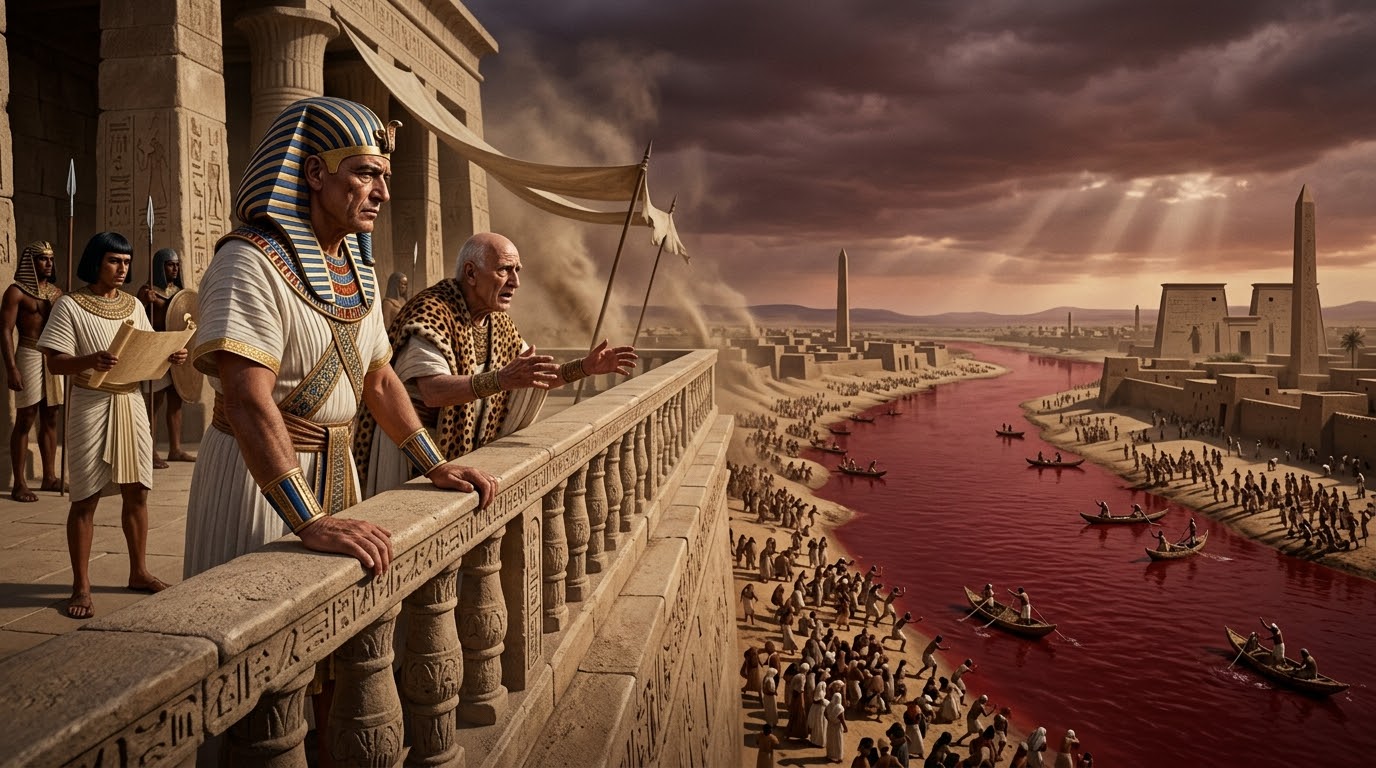
The story of Moses, set against the backdrop of Ancient Egypt and the Exodus, offers a rich tapestry for game developers to weave a compelling narrative. At the heart of this storytelling potential lies the opportunity to delve into hidden pathways and recurring symbols that can transform the game from a simple retelling of biblical events into a deeply immersive experience. By integrating these elements, a Moses game could not only captivate players with its storyline but also reward their curiosity and exploration, creating a world that feels both mysterious and alive.
Designing Hidden Pathways: Techniques and Challenges
Designing hidden pathways in a Moses game involves more than just creating secret tunnels or concealed passages. It requires a thoughtful approach to environmental storytelling, where each hidden path can reveal new facets of the game’s world and its history. Developers can draw inspiration from the geography of the ancient Near East, using the Nile River’s meandering routes or the labyrinthine alleys of Egyptian cities as templates for intricate level design. These pathways might lead to hidden shrines, ancient scrolls, or relics that provide context and depth to the narrative.
However, the challenge lies in ensuring that these paths are discoverable yet not obvious. Techniques such as visual cues, subtle sound design, and interactive environmental elements can guide players without overtly pointing them in the right direction. The goal is to reward players for their curiosity while maintaining the sense of mystery that makes exploration satisfying.
Recurring Symbols: Integrating Ancient Themes into the Game World
Symbols from Ancient Egypt and the Exodus narrative can serve as powerful tools for storytelling. The ankh, the Eye of Horus, and the staff of Moses are not just decorative motifs but carry significant historical and cultural meanings. Integrating these symbols into the game world can offer players insights into the beliefs and values of the time.
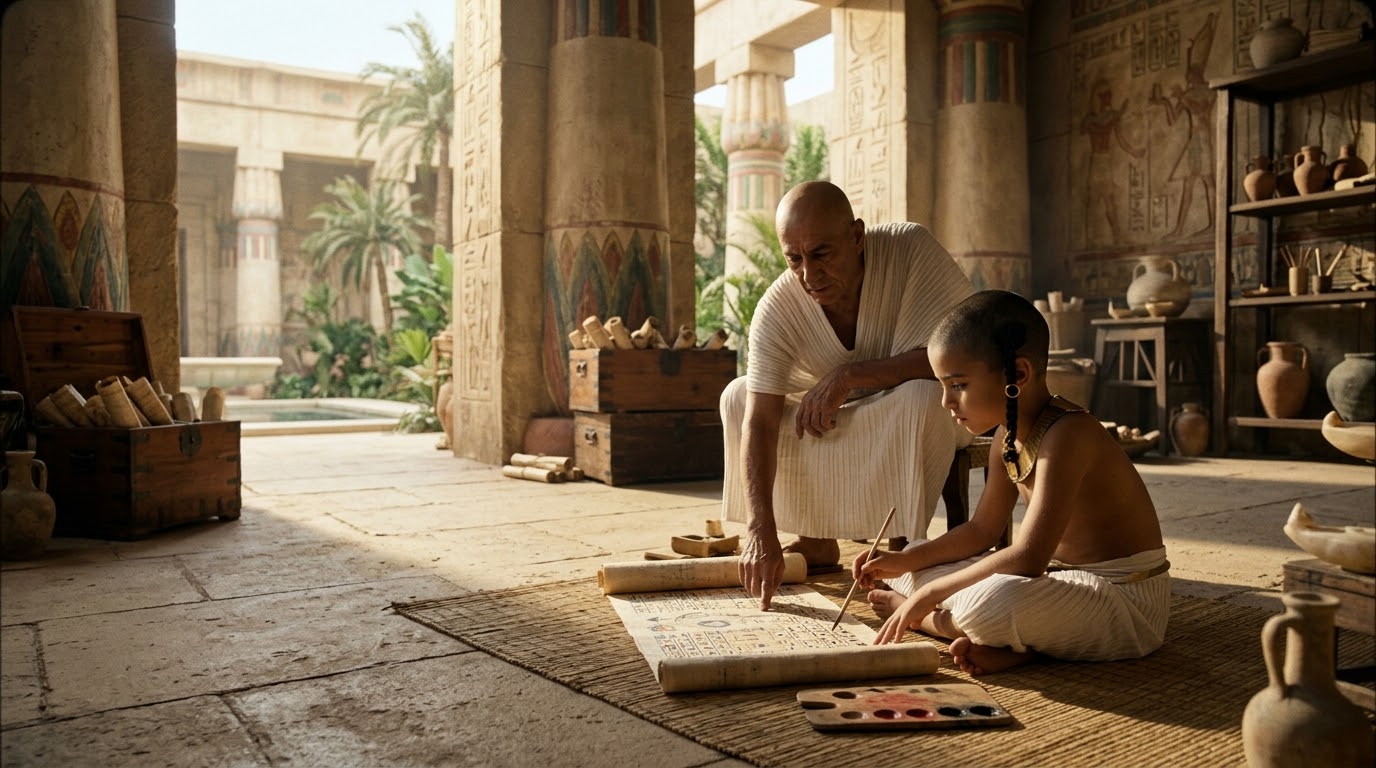
For instance, a hidden chamber adorned with hieroglyphics might reveal prophecies or historical events that foreshadow the challenges Moses will face. Such symbols can also serve as puzzles, where players must decipher meanings or align symbols to unlock new areas or abilities. This not only enhances the gameplay but also deepens the player’s connection to the narrative, providing a sense of discovery and learning.
Balancing Hidden Content with the Main Narrative
One of the critical challenges in incorporating hidden content is ensuring it complements rather than detracts from the main storyline. The hidden elements should feel like an integral part of the game world, offering additional layers of understanding rather than side distractions.
To achieve this balance, developers can ensure that uncovering hidden pathways or symbols provides context or backstory that enriches the player’s understanding of the main narrative. For example, discovering a hidden scroll might reveal the motivations of Pharaoh or the struggles of the Hebrew people, adding depth to the player’s journey with Moses.
Moreover, these hidden elements should be designed to be accessible at various points in the game, allowing players to explore at their own pace without feeling pressured to deviate from the main quest.
Player Experience: Rewards and Impact on Story Understanding
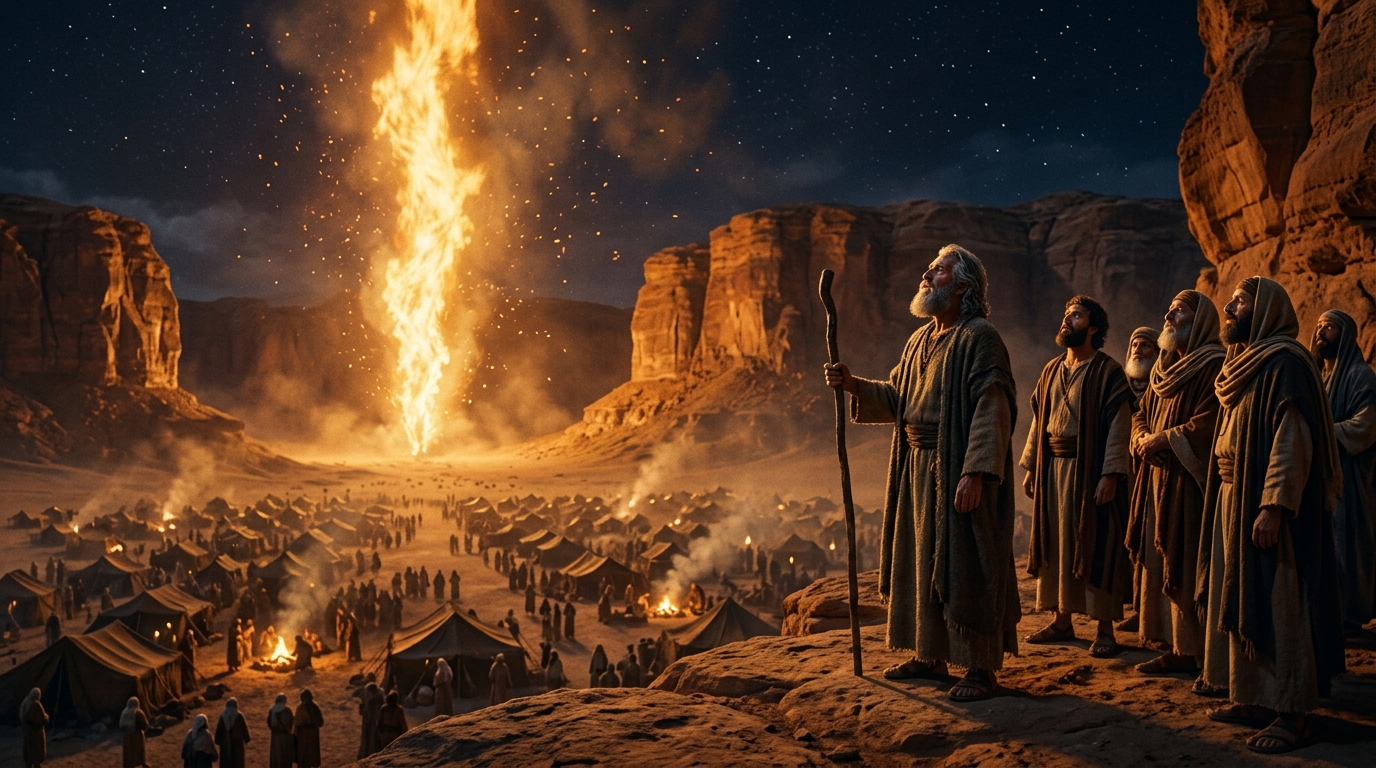
The rewards for uncovering hidden pathways and symbols need to be meaningful, enhancing the player’s experience without overshadowing the central narrative. Rather than offering mere collectibles, these rewards could include new abilities, story revelations, or unique interactions with characters that alter the game’s dynamics.
For instance, discovering a hidden oasis might provide Moses with new resources or allies, impacting the player’s strategy and options in subsequent levels. These rewards should feel earned, encouraging players to engage deeply with the game environment and think critically about their exploration choices.
Ultimately, the impact of these discoveries should resonate with the player, offering moments of reflection and insight that align with the biblical themes of faith, perseverance, and liberation.
Conclusion: The Role of Secrets in Creating an Immersive Game World
The integration of hidden pathways and symbols in a Moses game offers a unique opportunity to enhance the narrative and engage players deeply. By rewarding exploration and curiosity, these elements can transform the game into a journey of discovery, mirroring the spiritual and physical journey of the Exodus itself.
As players uncover the secrets buried in the sands of Ancient Egypt, they gain a richer understanding of the world and the story it holds. This approach not only respects the source material but also celebrates the spirit of exploration and discovery that lies at the heart of both gaming and the biblical narrative.