Life on the Nile: Creating an Authentic Egyptian River Economy in a Moses Game
Explore the Nile’s role in Ancient Egypt and its potential for enriching a Moses game with authentic economic and social dynamics.
The Nile as Egypt’s Lifeline
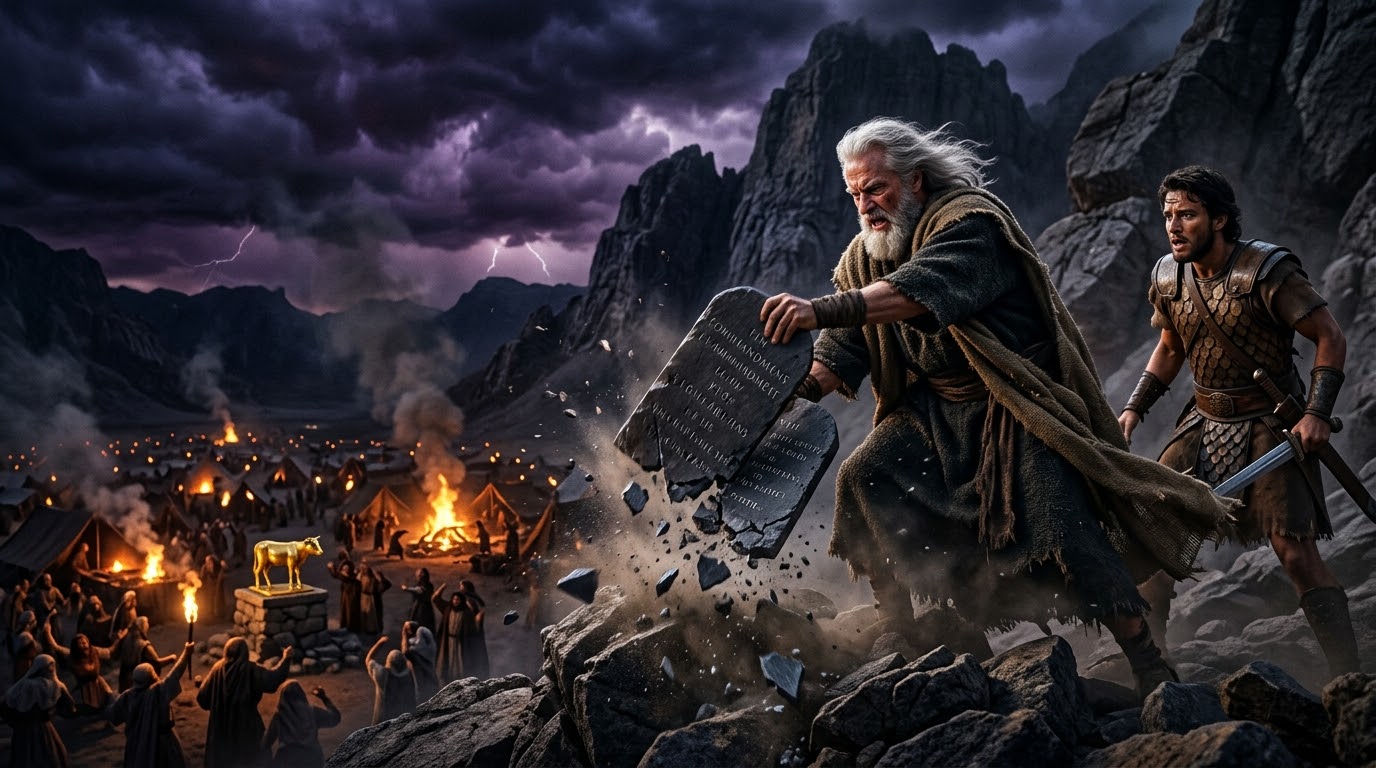
The Nile River, often referred to as the lifeline of Ancient Egypt, was much more than just a geographical feature; it was the very backbone of Egyptian civilization. Stretching over 4,000 miles, the Nile provided fertile land, abundant resources, and a transportation route that was pivotal to the economic and social structures of the time. For a video game centered on Moses, capturing the essence of the Nile’s influence offers a unique opportunity to create a living, breathing world that goes beyond the monumental landmarks and biblical events.
Environmental Storytelling: The Role of the Nile in Ancient Egyptian Life
In crafting a game environment that reflects the true essence of Ancient Egypt, developers should focus on the everyday life that revolved around the Nile. This river was not just a source of water; it was integral to agriculture, with its annual flooding enriching the soil and ensuring bountiful harvests. This cycle of sowing and reaping could be visually represented in the game, showing fields transitioning with the seasons and the bustling activity of farmers.
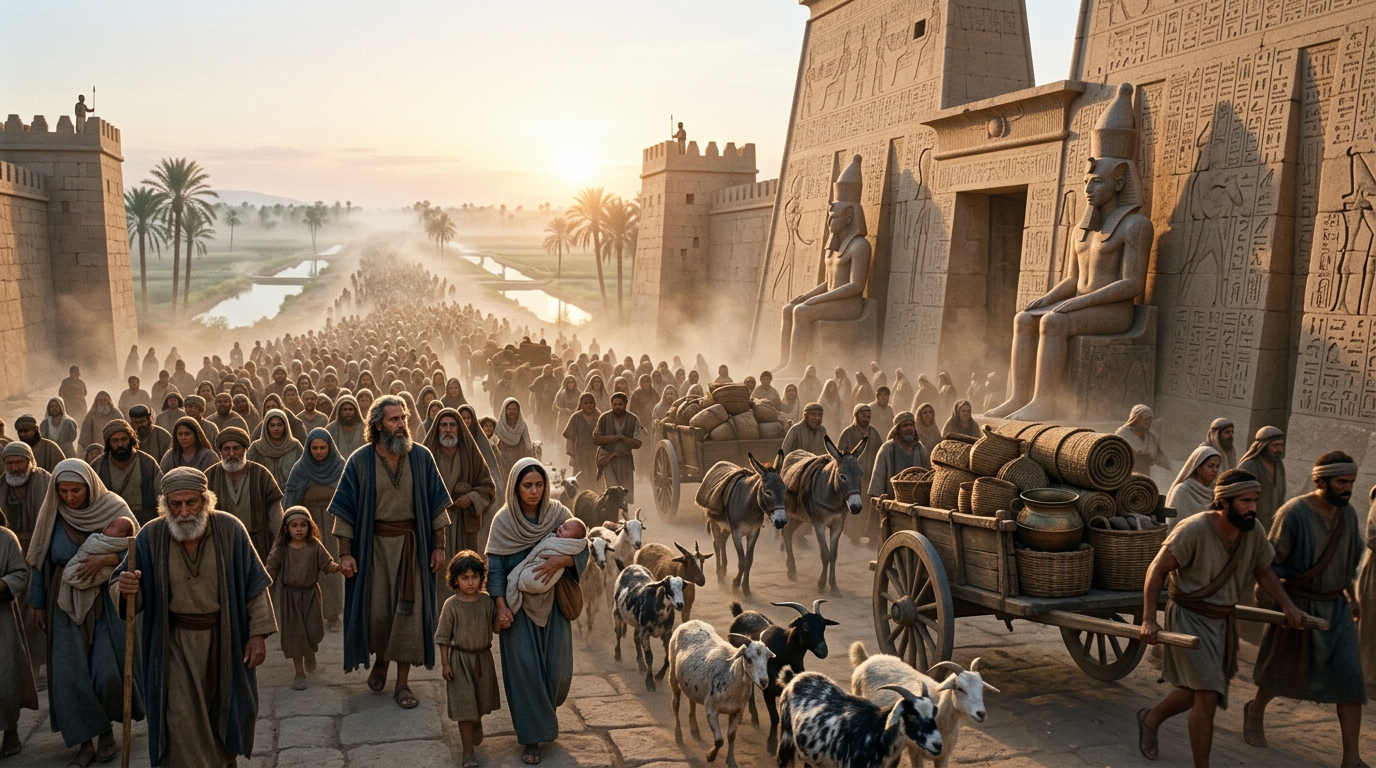
Beyond agriculture, the Nile was a hub of trade and interaction. Markets along its banks could be depicted in the game, featuring merchants trading goods such as grain, papyrus, and linen. These markets would not only add vibrancy to the game world but also provide players with opportunities to engage in trade, influencing the game’s economy and their own resources.
Game Design Challenges: Balancing Authenticity and Playability
Recreating an authentic Nile River economy in a game involves balancing historical accuracy with engaging gameplay. One challenge is ensuring that the economic systems are intuitive yet reflective of the complexities of ancient trade. Developers might implement a dynamic economy where supply and demand affect prices and availability of goods, encouraging players to strategize their trade routes.
Another challenge is representing the social structures and hierarchies present during Moses’ time. The game could feature diverse characters—from farmers and traders to scribes and priests—each with unique roles and interactions that affect the player’s journey. This diversity can enhance narrative depth, offering players choices that impact their standing within these communities.
Creating Immersive Community Interactions Along the Nile
To bring the Nile’s communities to life, developers should focus on creating immersive interactions that reflect the socio-economic dynamics of the period. Players could participate in local festivals, witness religious ceremonies, or engage in political debates, all of which would enrich their understanding of the cultural landscape.
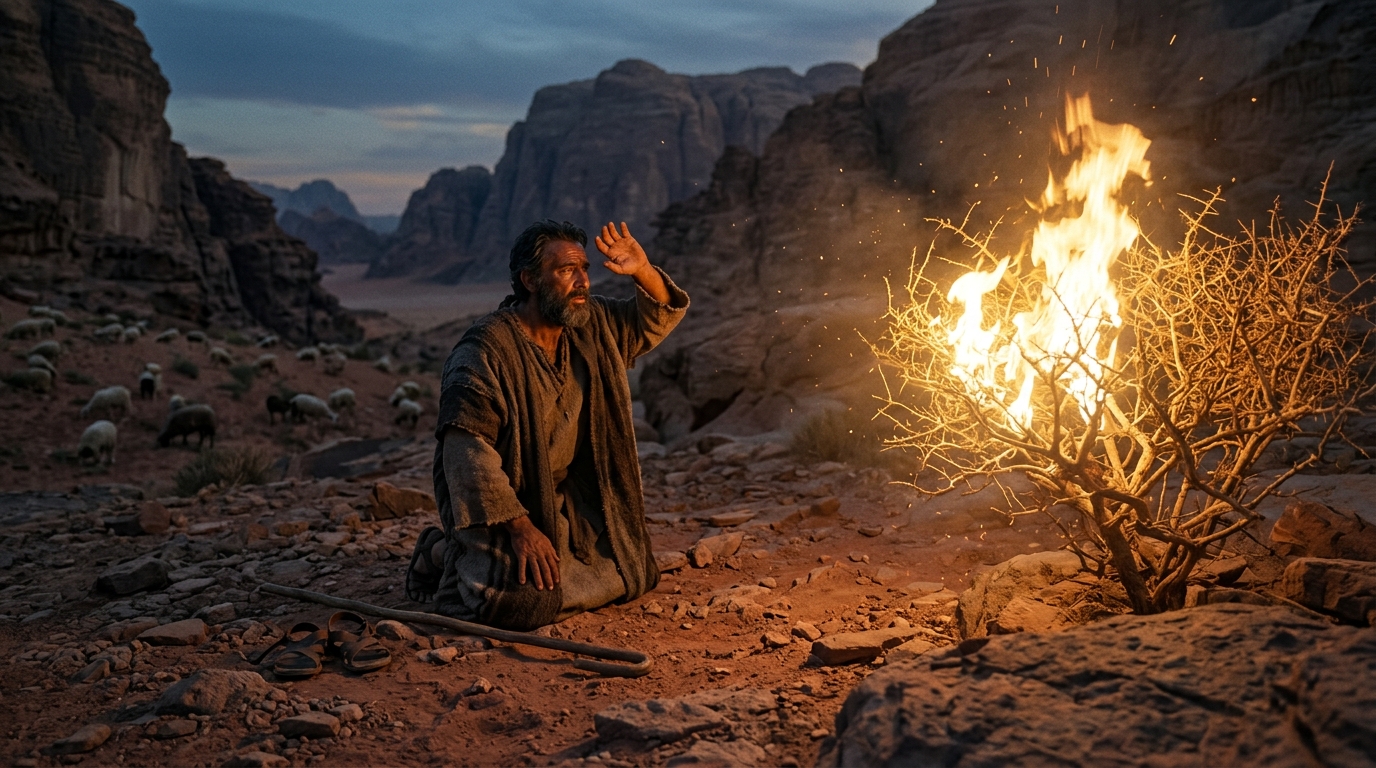
Quests and missions could be designed around these interactions, such as helping a village prepare for the flood season or mediating disputes between traders. These activities not only provide gameplay variety but also deepen the player’s connection to the world, making their journey through ancient Egypt more personal and impactful.
Conclusion: The Impact of a Living Nile Ecosystem on Player Experience
By authentically recreating the Nile River economy and its surrounding communities, a Moses game can offer players a rich and immersive experience that goes beyond traditional biblical narratives. The Nile’s influence on trade, agriculture, and everyday life presents a dynamic backdrop for storytelling and gameplay, allowing players to explore the intricate tapestry of Ancient Egyptian society.
Ultimately, focusing on the Nile as a living ecosystem not only enhances historical authenticity but also provides a platform for players to engage with the past in meaningful ways, creating a game that is both educational and entertaining.