Forging Alliances in the Desert: The Art of Diplomatic Quest Design in a Moses Game
Explore diplomatic quest design in a Moses game, enhancing gameplay with alliances and negotiations during the Exodus.
Introduction: The Role of Diplomacy in the Exodus
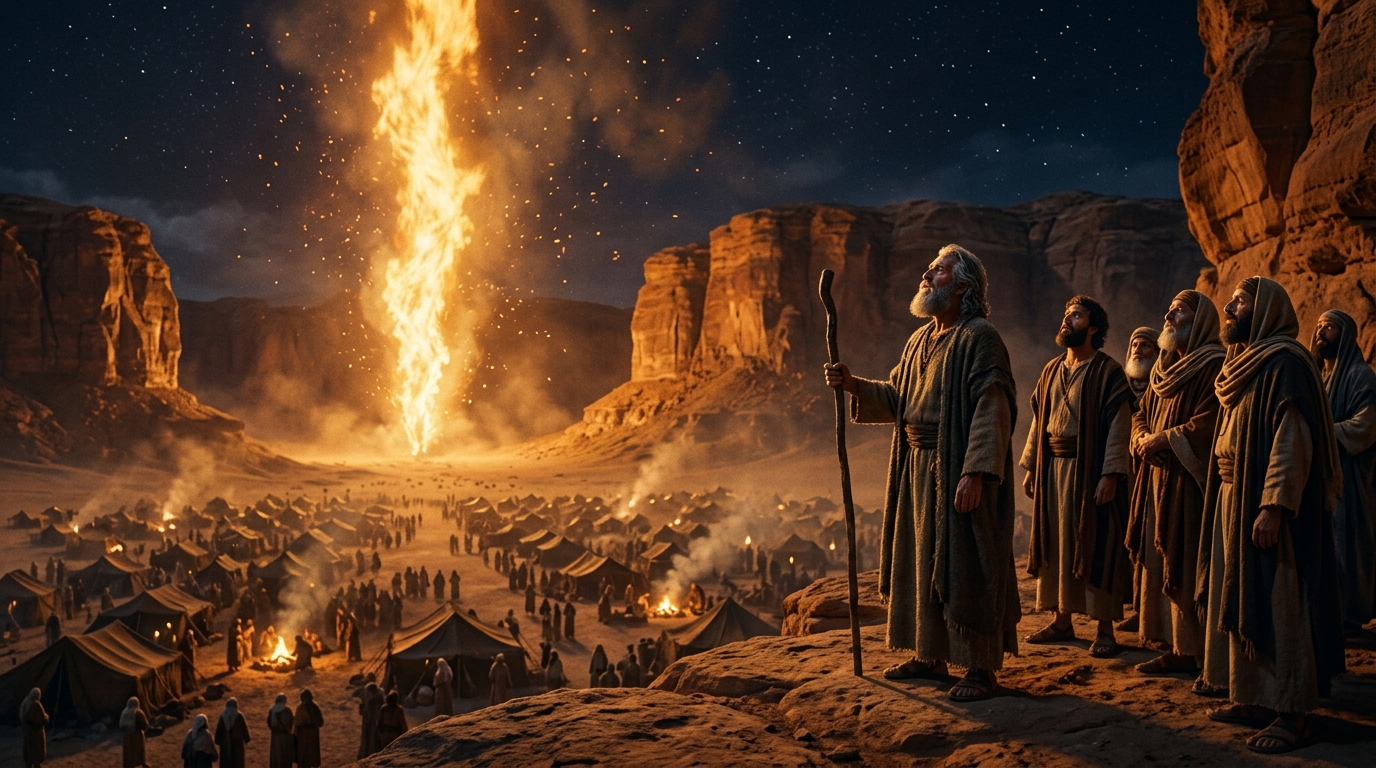
In the realm of video games inspired by historical and biblical narratives, the story of Moses and the Exodus offers a rich tapestry of events and characters. While the dramatic moments of plagues, parting seas, and divine encounters often take center stage, the subtler art of diplomacy presents an intriguing avenue for game design. By focusing on diplomatic quests, developers can craft a nuanced experience that reflects the complex web of alliances and rivalries encountered by the Israelites in their journey through the desert.
Historical Context: Alliances and Conflicts in Ancient Times
The Exodus narrative, as recounted in biblical texts, depicts a period of intense social and political upheaval. The Israelites, led by Moses, faced not only the challenges of survival in a harsh environment but also the need to navigate relationships with various tribes and civilizations. Historical records and biblical accounts suggest interactions with groups such as the Amalekites, Midianites, and Moabites, among others. These interactions were not solely hostile; they often involved negotiations, alliances, and exchanges that were crucial for the Israelites’ survival and progress.
For instance, the biblical account of Moses’ interaction with Jethro, his Midianite father-in-law, highlights the potential for peaceful cooperation and mutual benefit. Jethro’s advice on governance and resource management illustrates how alliances could offer strategic advantages beyond immediate survival. Similarly, the diplomatic engagement with Edom, where the Israelites sought passage through their land, underscores the necessity of negotiation and the potential consequences of its failure.
Designing Diplomatic Quests: Mechanics and Challenges
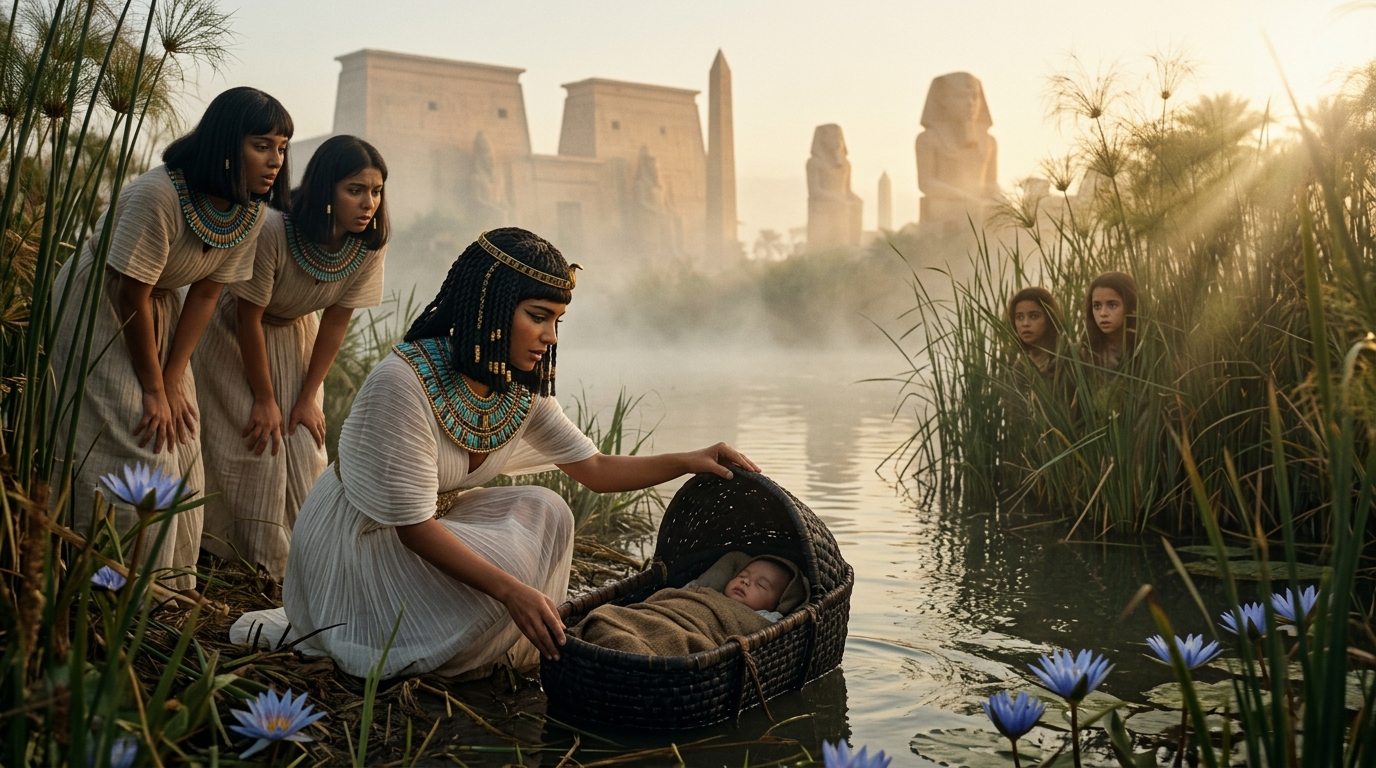
Incorporating diplomatic quests into a Moses-themed game requires careful consideration of mechanics that facilitate negotiation and alliance-building. These quests could involve dialogue trees, moral choices, and resource management, allowing players to engage with various factions in meaningful ways. For example, a quest might involve negotiating safe passage through hostile territory in exchange for goods or assistance, reflecting the historical need for strategic alliances.
Challenges in designing such quests include ensuring historical authenticity while maintaining engaging gameplay. Developers must balance the constraints of the biblical narrative with creative freedom, crafting scenarios that resonate with players while remaining plausible within the historical context. Additionally, the dynamic nature of alliances—where trust and betrayal can shift the balance of power—should be reflected in the quest outcomes, offering players a sense of agency and impact on the game’s world.
Player Choices and Consequences in Diplomatic Missions
One of the most compelling aspects of diplomatic quests is the impact of player choices on the broader narrative. Decisions made during negotiations can influence the availability of resources, the morale of the Israelite community, and the unfolding of the Exodus journey. For instance, choosing to ally with one tribe might provide immediate benefits but could lead to long-term repercussions if that tribe becomes an adversary.
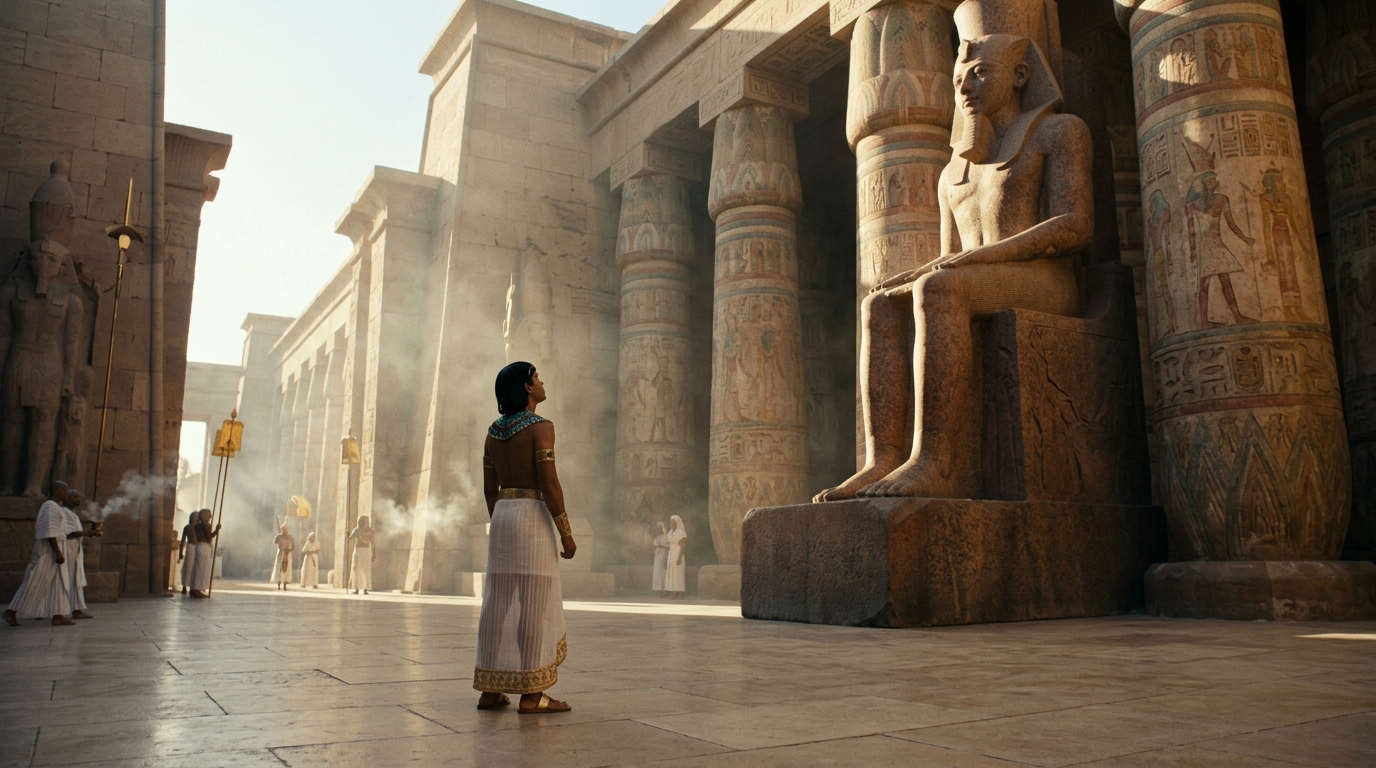
These choices should be designed to reflect the moral and ethical dilemmas faced by leaders during the Exodus. Players may need to weigh the benefits of compromising their principles for strategic gain against the potential loss of support from their followers. Such scenarios encourage players to consider the broader implications of their actions, fostering a deeper engagement with the game’s narrative and themes.
Conclusion: Enhancing the Moses Game through Diplomacy
By integrating diplomatic quests into a Moses-themed game, developers can enrich the player’s experience, offering a multifaceted narrative that goes beyond the well-known miracles and conflicts. These quests provide an opportunity to explore the intricate social and political dynamics of the Exodus period, inviting players to engage in strategic thinking and moral reflection.
In doing so, the game not only entertains but also educates, offering insights into the historical realities and biblical stories that have shaped cultural understanding for millennia. As players navigate the challenges of diplomacy in the desert, they gain a deeper appreciation for the complexities of leadership and survival in one of history’s most enduring narratives.