The Voices of Leadership: Capturing Moses’ Struggles and Growth through Dialogue Design
Exploring how dialogue design in a Moses game captures his transformative journey as a leader.
Introduction: The Power of Dialogue in Storytelling
Dialogue is a potent tool in storytelling, particularly in video games where player engagement hinges on narrative depth. For a game centered on Moses, the biblical figure known for leading the Israelites out of Egypt, dialogue design can be pivotal in capturing his transformative journey. By reflecting his internal conflicts, growing faith, and complex identity through dialogues, developers can bring Moses’ story to life in a way that is both engaging and educational.
Moses’ Dual Identity: Reflecting Internal Conflict
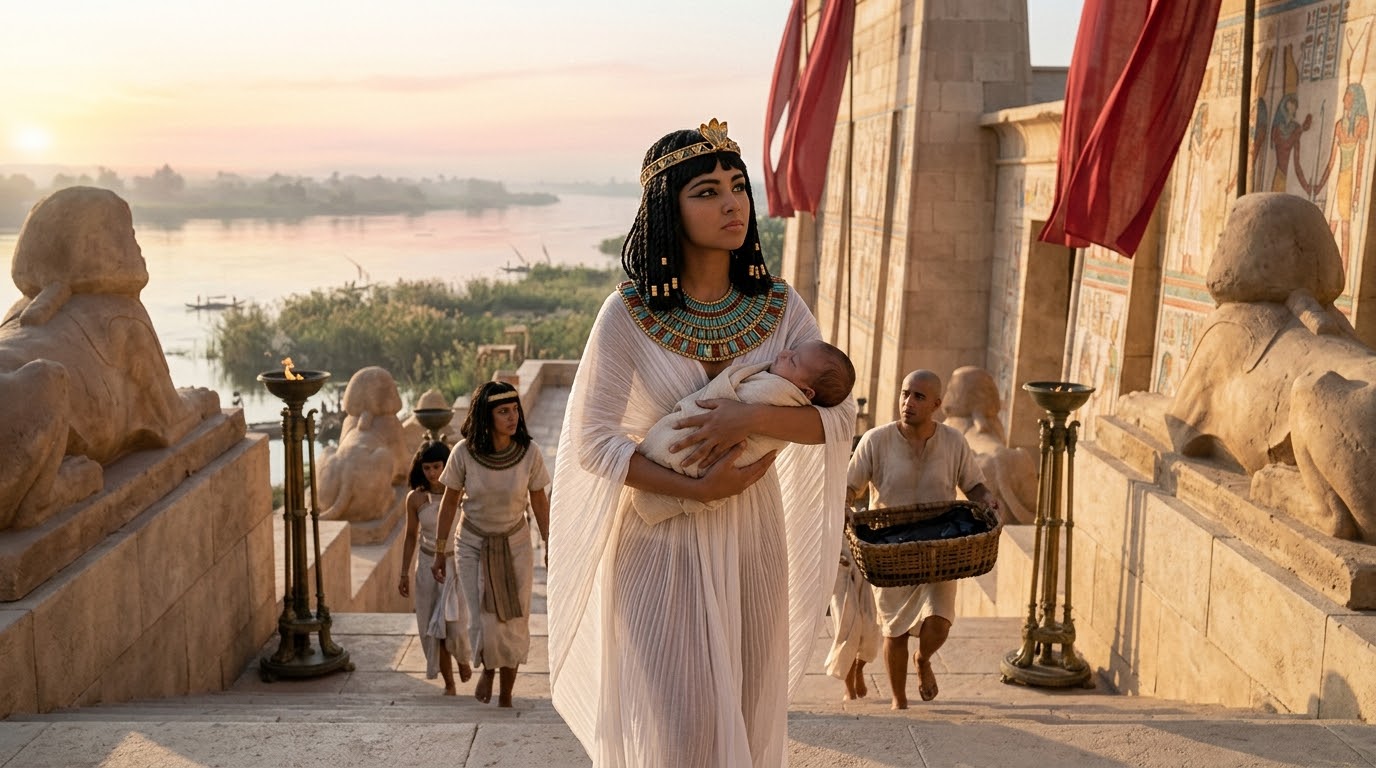
Moses’ life is marked by a dual identity—raised as an Egyptian prince but born a Hebrew. This duality is central to his narrative and can be explored through dialogue choices that illustrate his internal struggles. Players might navigate conversations where Moses must reconcile these contrasting aspects of his identity. For example, in interactions with Egyptian royalty, players could choose between maintaining royal decorum or expressing solidarity with the Hebrew slaves. Each choice could impact Moses’ development, reflecting his growth from a man torn between two worlds to a leader with a clear sense of purpose.
The Transformative Encounter: The Burning Bush
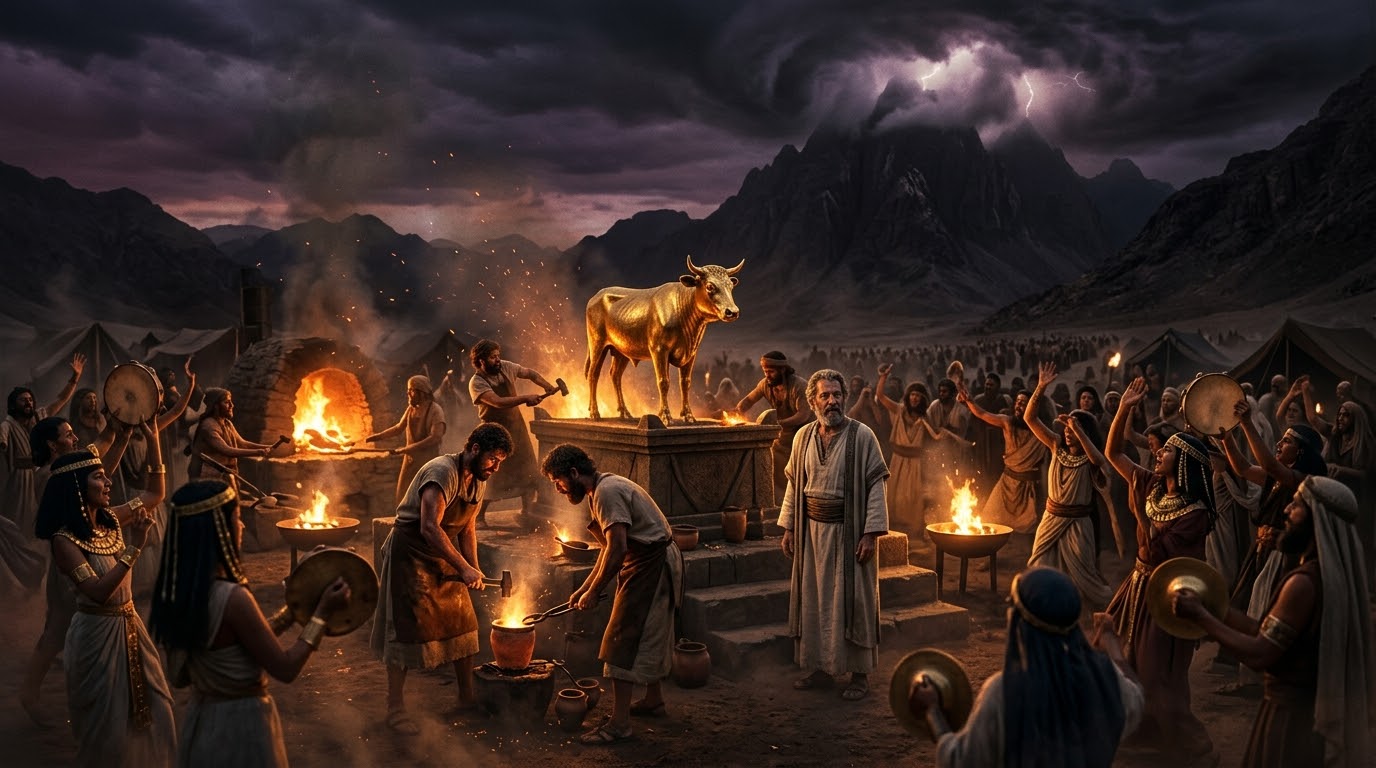
The encounter with the burning bush is a pivotal moment in Moses’ journey, marking the beginning of his mission to free the Israelites. This scene can be designed to have a lasting impact on Moses’ dialogue throughout the game. The bush could serve as a dialogue hub where players return to reflect on their journey and seek guidance. The choices made during this encounter could unlock new dialogue options, allowing players to explore themes of faith and doubt. By revisiting the burning bush, players could witness Moses’ evolving relationship with his divine mission, adding layers to his character development.
Key Relationships: Conversations with Aaron and Miriam
Moses’ relationships with his siblings, Aaron and Miriam, offer rich opportunities for dialogue that deepens his character arc. Conversations with Aaron might focus on leadership and responsibility, while interactions with Miriam could explore familial bonds and personal support. These dialogues can be designed to reveal Moses’ vulnerabilities and strengths, showing how his siblings influence his decisions and growth. By incorporating branching dialogue paths, players can experience the dynamic nature of these relationships, choosing how Moses leans on his siblings for support or asserts his independence as a leader.

Cultural Context: Balancing Historical Accuracy and Narrative Depth
The cultural and historical context of ancient Egypt and the Hebrews’ plight is essential for crafting authentic dialogue. Developers can draw from historical sources and biblical texts to create conversations that reflect the era’s social and political dynamics. This attention to detail can immerse players in the world of Moses, making his story more relatable and impactful. By balancing historical accuracy with narrative depth, the game can offer players a nuanced understanding of the challenges Moses faced and the significance of his leadership.
Conclusion: Capturing the Essence of Leadership through Dialogue
By focusing on dialogue design, developers can authentically capture Moses’ journey from a conflicted prince to a resolute leader. Through carefully crafted conversations, players can experience Moses’ struggles, growth, and ultimate triumph as a leader. This approach not only enhances the narrative depth of a Moses game but also provides a fresh perspective on storytelling, inviting players to engage with the biblical narrative in a meaningful way. Ultimately, capturing Moses’ voice through dialogue is key to bringing his story to life and offering players a compelling, immersive experience.