Weaving Tales of Labor: Crafting the Lives of Ancient Egyptian Workers in a Moses Game
Explore how a Moses game can authentically depict the lives of Ancient Egyptian workers, enriching the narrative with their experiences and environments.
Introduction: Setting the Scene of Ancient Egyptian Labor
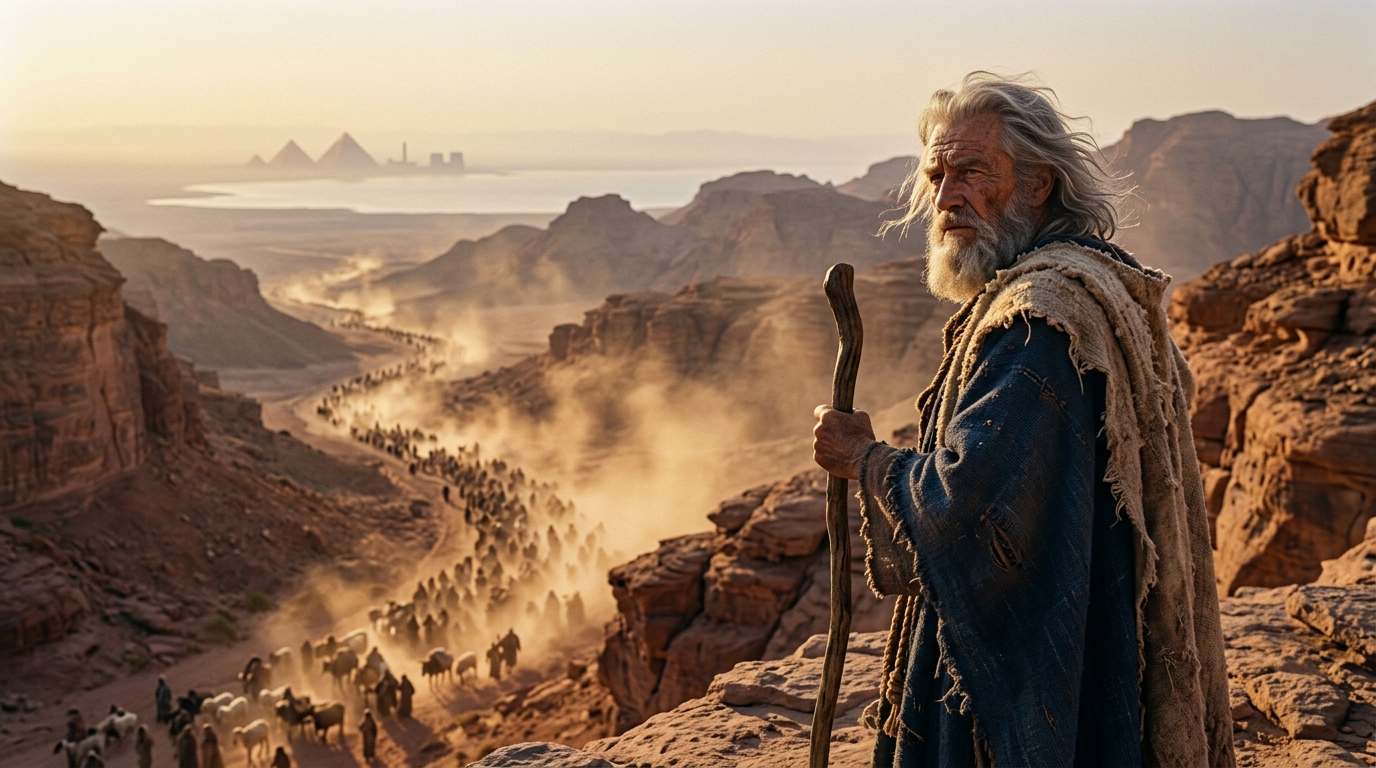
When we think of Ancient Egypt, images of grand pyramids, pharaohs, and hieroglyphs often come to mind. Yet, beneath these monumental achievements lay the lives of countless workers whose labor made such wonders possible. A video game inspired by Moses and the biblical Exodus offers a unique opportunity to explore the rich tapestry of these workers’ lives. By focusing on their daily experiences, a game can provide players with an immersive journey into the socio-economic dynamics of Ancient Egypt, adding depth to the narrative of Moses’ story.
Daily Life of Workers: Key Roles and Responsibilities
In Ancient Egypt, the labor force was diverse, encompassing artisans, builders, farmers, and more. Each group played a vital role in sustaining the civilization’s economy and culture. Artisans crafted intricate jewelry and pottery, builders erected massive structures, and farmers ensured a steady food supply. In a Moses game, players could assume the roles of these workers, experiencing firsthand the varied responsibilities and skills required in their daily lives.
For instance, players might take on the role of a stonecutter, tasked with quarrying and shaping limestone for a temple. This could involve a mini-game where precision and timing are crucial, reflecting the real-life challenges faced by ancient builders. Alternatively, as a farmer, players might navigate the seasonal cycles of the Nile, learning to manage resources and adapt to environmental changes.
Environmental Storytelling: Designing Authentic Workspaces
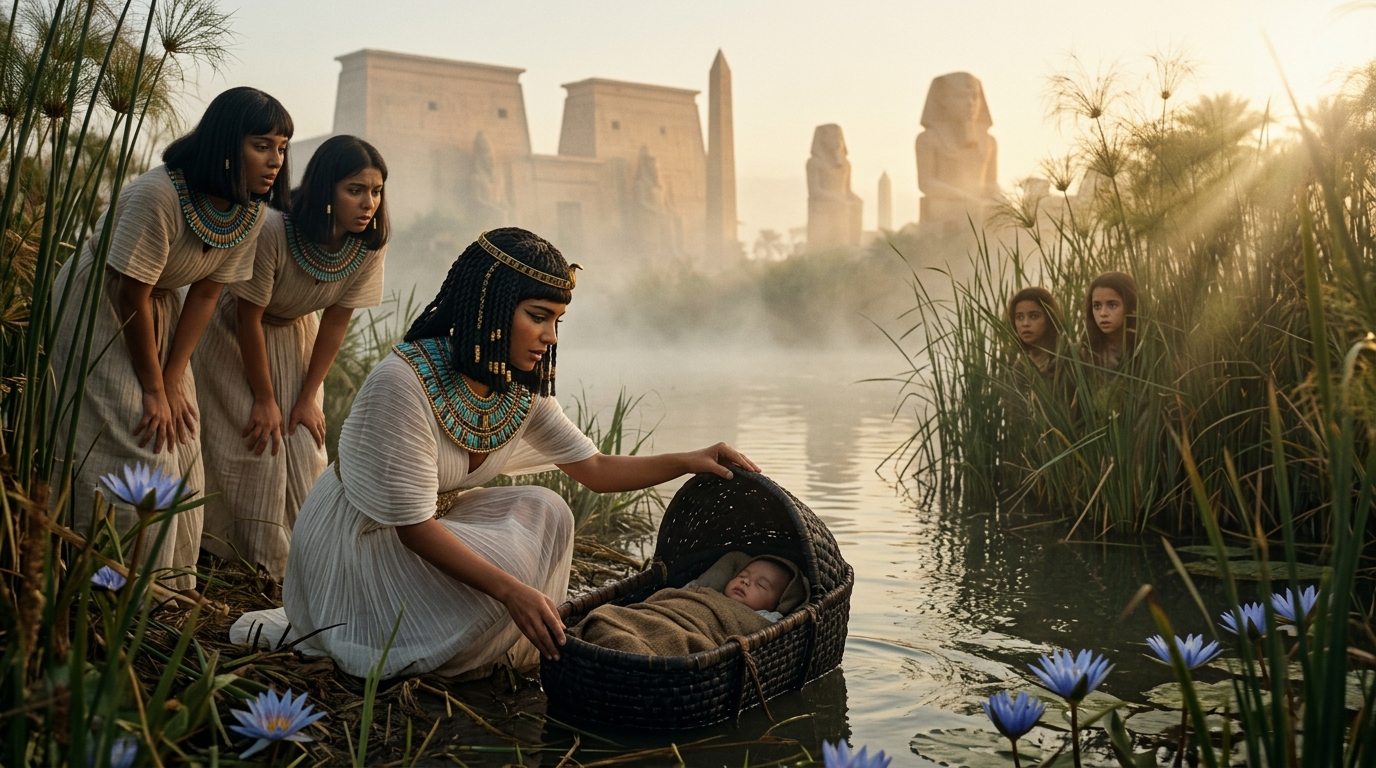
Environmental storytelling is a powerful tool in game design, enabling players to glean insights about a world through its settings. In a Moses game, authentic depictions of workspaces can convey the historical context of Ancient Egyptian labor. By meticulously recreating workshops, fields, and construction sites, developers can immerse players in the era’s atmosphere.
Consider a bustling artisans’ workshop, filled with tools, half-finished sculptures, and colorful dyes. Each element can tell a story about the workers’ lives, their craftsmanship, and their social interactions. Similarly, a construction site near a pyramid might feature scaffolding, ramps, and rope systems, illustrating the ingenuity and organization behind such monumental projects.
Challenges and Hardships: Balancing Realism and Gameplay
Depicting the challenges faced by Ancient Egyptian workers requires a careful balance between historical accuracy and engaging gameplay. While the reality of labor in ancient times was often harsh, a game must ensure that these elements serve the narrative and player experience rather than detract from it.
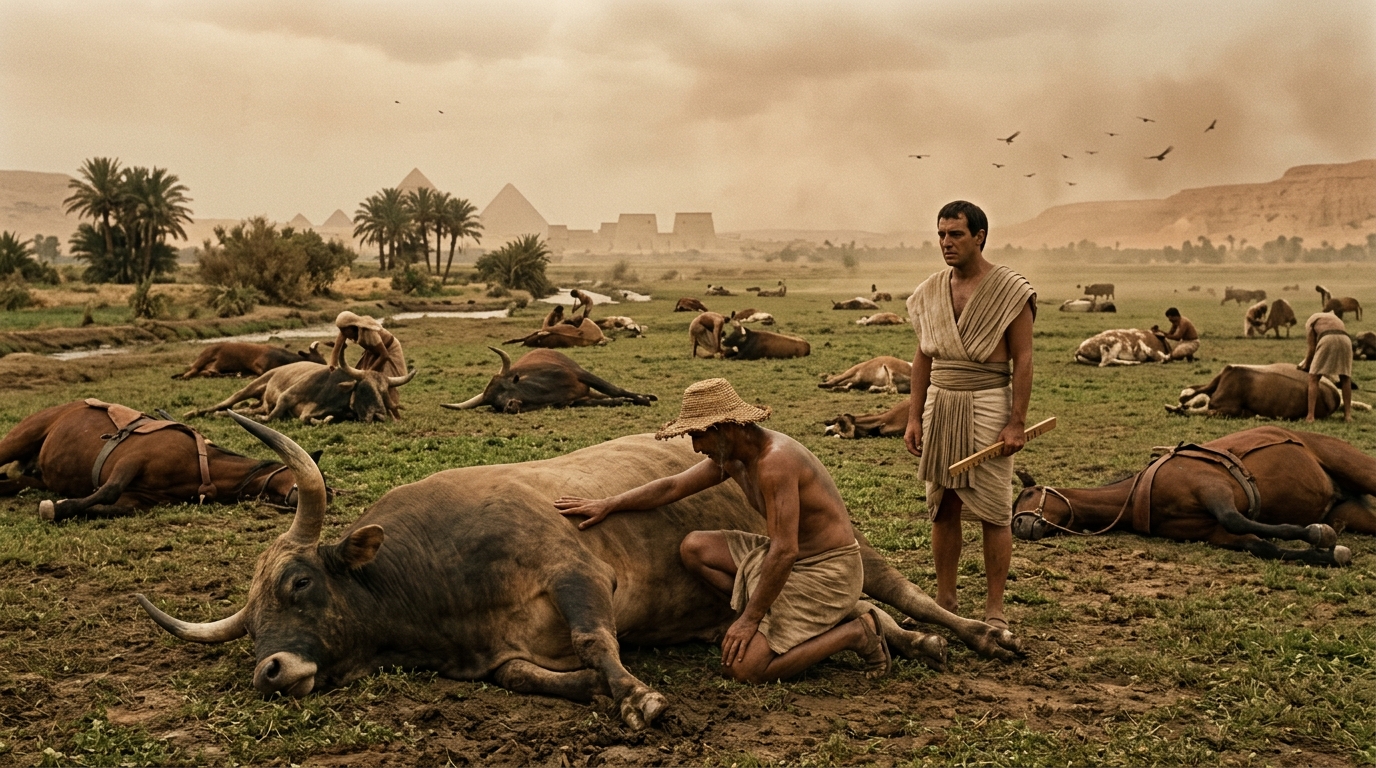
A Moses game could introduce scenarios where players must navigate the difficulties of labor, such as dealing with limited resources, harsh working conditions, or social hierarchies. These challenges can be woven into quests or missions that require strategic thinking and problem-solving. However, it’s crucial that these elements enhance the narrative, allowing players to empathize with the workers’ struggles and triumphs.
Integrating Workers’ Stories into the Wider Narrative
The stories of Ancient Egyptian workers can enrich the broader narrative of a Moses game, providing context and depth to the biblical tale. By integrating workers’ experiences into the storyline, developers can create a more nuanced portrayal of the Exodus, highlighting the diverse voices and lives that intersected with Moses’ journey.
For example, players might encounter a group of artisans who, inspired by Moses, decide to join the Exodus. Through dialogue and interactive storytelling, these characters can share their perspectives, dreams, and fears, adding layers to the game’s narrative. Such interactions not only humanize the historical backdrop but also offer players a fuller understanding of the societal forces at play.
Conclusion: Enriching the Moses Game World
By focusing on the lives of Ancient Egyptian workers, a Moses game can transcend traditional storytelling, offering players a rich, immersive experience that captures the complexity of the era. Through authentic portrayals of daily labor, environmental storytelling, and the integration of workers’ narratives, developers can craft a game world that celebrates the unsung heroes of Ancient Egypt. This approach not only honors historical realities but also enhances the player’s journey through one of history’s most fascinating periods.