From Dock to Market: Exploring the Vibrancy of Egyptian Commerce in a Moses Game
Explore Ancient Egypt’s vibrant commerce in a Moses game, enhancing immersion with dynamic harbors and markets.

In the realm of video game development, creating a world that feels alive and authentic is crucial for player immersion. A game inspired by the story of Moses offers a unique opportunity to explore not only the monumental and religious aspects of Ancient Egypt but also its vibrant economic life. By focusing on the bustling dockyards and lively markets, developers can craft a dynamic and interactive backdrop that enriches the narrative and deepens players’ understanding of the cultural and economic context of Moses’ journey.
The Nile’s Harbors: Heartbeat of Egyptian Commerce
The Nile River was the lifeblood of Ancient Egypt, not just in terms of agriculture but also as a major artery of commerce. Harbors along the Nile were bustling centers of activity, where goods from across the known world were traded. Recreating these harbors in a Moses game could significantly enhance the atmosphere, providing players with a vivid sense of the era’s economic vibrancy.
To authentically recreate these harbors, developers might consider incorporating dynamic NPCs engaged in loading and unloading goods, haggling over prices, and exchanging stories from distant lands. The soundscape would feature the clamor of merchants, the creaking of ships, and the calls of traders advertising their wares. Such details would not only enhance immersion but also provide players with a sense of the interconnectedness of Ancient Egyptian society and its reliance on trade.
The Market Experience: A Window into Daily Life and Social Hierarchies
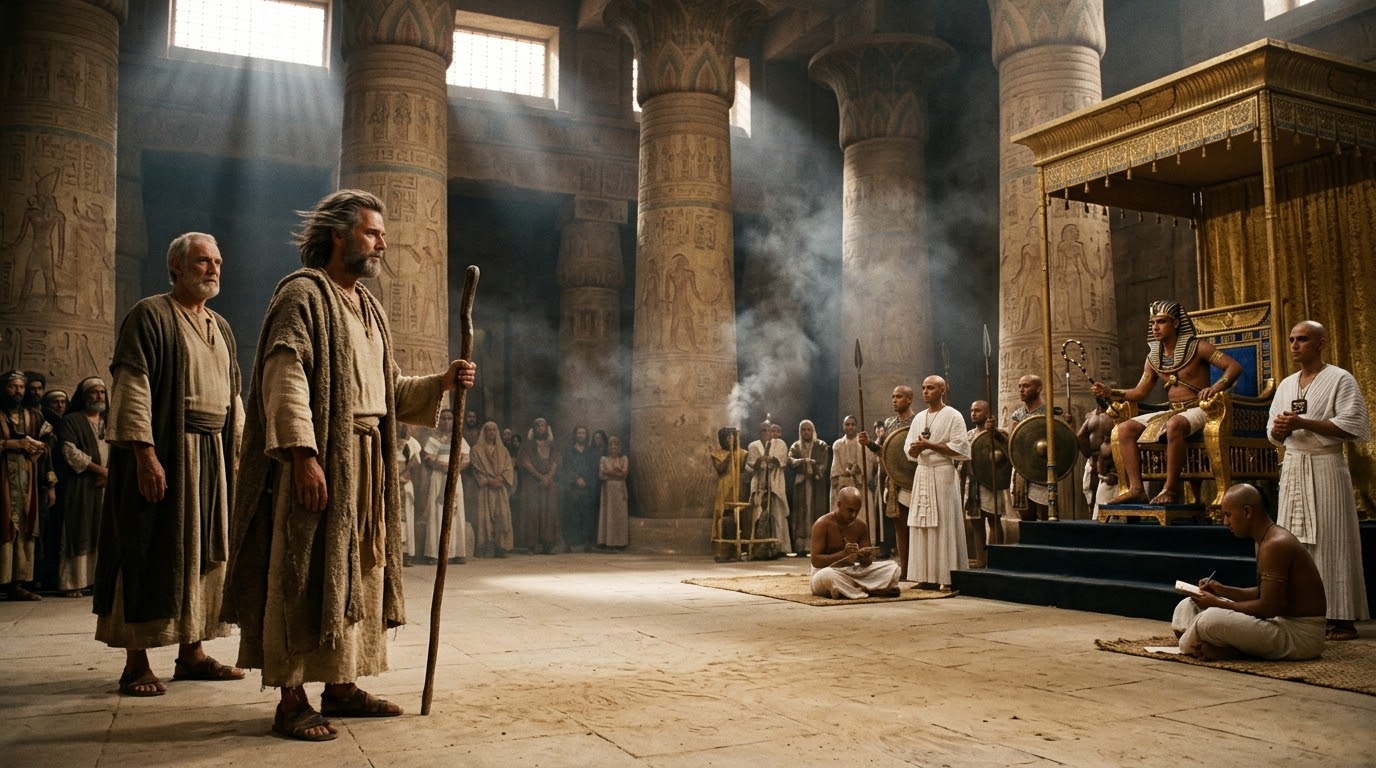
Markets in Ancient Egypt were more than just places of commerce; they were social hubs where people from various walks of life interacted. In a Moses game, these markets could serve as a window into the daily life and social hierarchies of the time. Players could navigate through crowded stalls, encountering a diverse array of characters, from wealthy traders to humble farmers.
By interacting with these characters, players would gain insights into the social dynamics of the period. For instance, a quest might involve helping a struggling merchant secure a rare commodity, thereby revealing the economic pressures faced by lower-class citizens. Such interactions could be instrumental in illustrating the broader societal context in which Moses’ story unfolds.
Integrating Commerce Systems into Gameplay Mechanics
Integrating trade and commerce systems into the gameplay mechanics of a Moses game offers a wealth of possibilities for player engagement and decision-making. Players could be tasked with managing resources, negotiating trade deals, or even influencing market trends to achieve certain objectives.
For example, players might need to gather supplies for the Exodus, requiring them to engage with merchants and navigate the complexities of the market. Decisions made during these interactions could have ripple effects, impacting the availability of resources or the attitudes of different factions. This would not only add a layer of strategic depth but also tie the economic elements directly to the player’s journey and objectives.
Historical Accuracy and Creative License in Depicting Ancient Trade
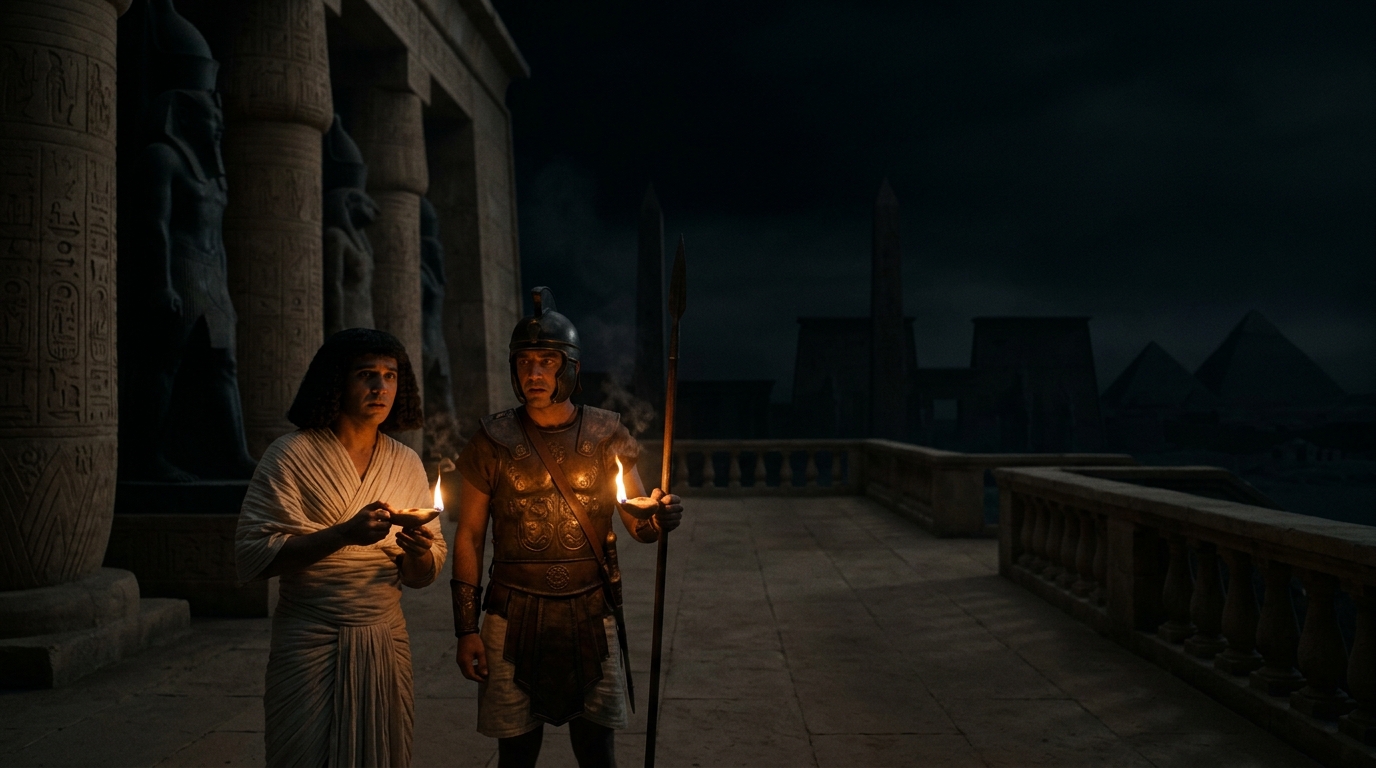
While historical accuracy is important in creating a believable setting, developers must also balance it with creative license to ensure engaging gameplay. Historical records of Egyptian trade practices, typical goods exchanged, and the roles within market and harbor activities can provide a foundation for authenticity.
However, developers might also introduce fictional elements that enhance the narrative or gameplay. Perhaps players could encounter legendary traders or mythical artifacts, blending historical realism with elements of fantasy. Such creative flourishes can enrich the player’s experience without detracting from the historical atmosphere.
Conclusion: Enriching the Player’s Journey through Economic Storytelling
By weaving the vibrant economic life of Ancient Egypt into a Moses game, developers can create a living world that reflects the complexity of the era. The bustling harbors and dynamic markets offer a unique lens through which players can engage with the story of Moses, providing a deeper understanding of the cultural and economic backdrop that shaped his journey.
Ultimately, focusing on these often-overlooked aspects of Ancient Egyptian life not only enhances immersion but also offers players a richer, more nuanced narrative experience. As players navigate through this vibrant world, they gain insights into the interconnectedness of commerce, culture, and history, making their journey alongside Moses all the more compelling.