Tidal Tactics: Designing Environmental Puzzles and Terrain Challenges at the Red Sea Crossing
Explore how environmental puzzles and dynamic terrain enhance the player’s experience during the iconic Red Sea crossing in a Moses game.
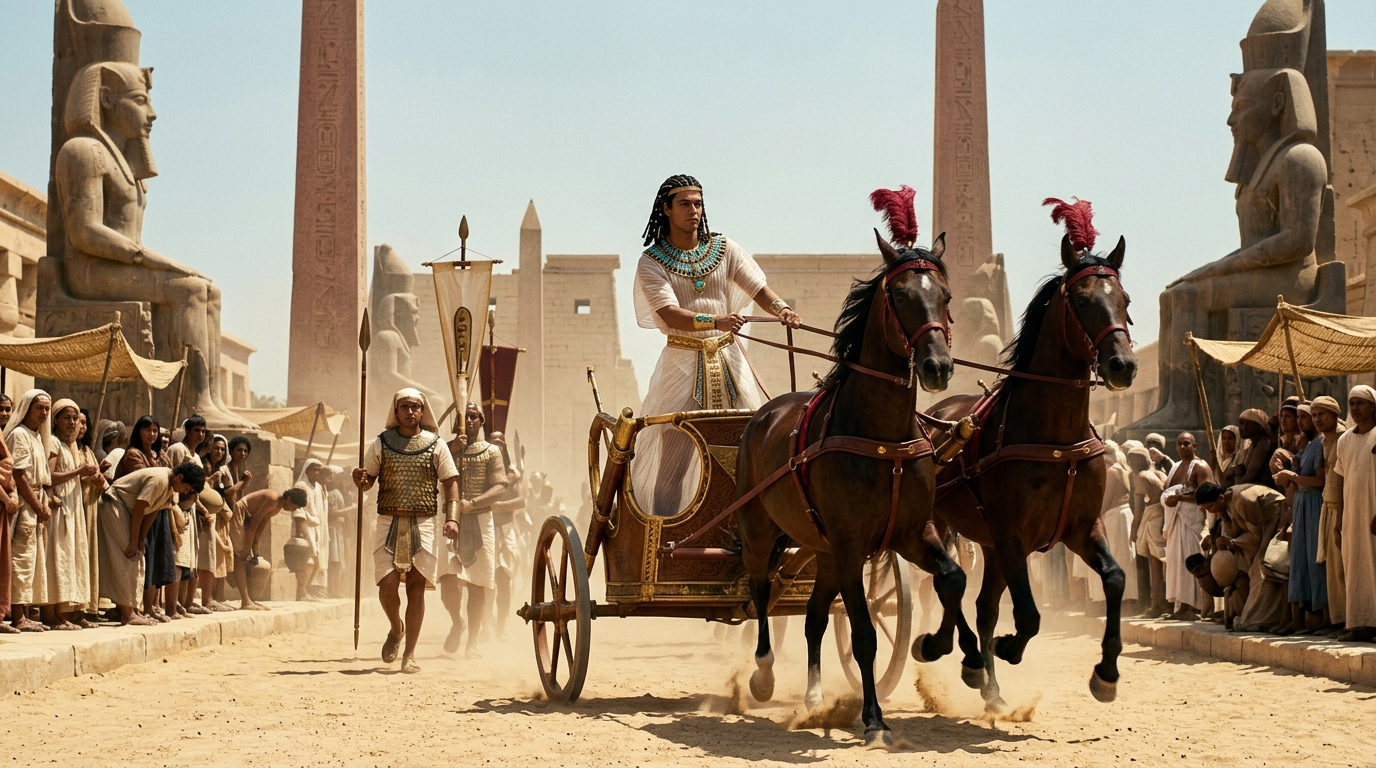
The Red Sea Crossing as an Interactive Climax
The story of Moses leading the Israelites out of Egypt and across the Red Sea is one of the most dramatic episodes in the biblical narrative. Traditionally depicted as a miraculous event, it holds immense potential for an interactive experience in a video game setting. Transforming this iconic moment from a passive cutscene into an engaging gameplay sequence can significantly heighten player immersion and narrative depth. By incorporating environmental puzzles and dynamic terrain challenges, designers can ensure that players are not mere spectators but active participants in this pivotal moment.
Environmental Puzzles: Crafting Engagement and Tension
Environmental puzzles are a compelling way to engage players, requiring them to interact with their surroundings in meaningful ways. In the context of the Red Sea crossing, these puzzles can mirror the dramatic tension and uncertainty faced by the Israelites. For instance, players might need to solve a series of puzzles to unlock the path through the parted sea, symbolizing the divine intervention.
Designers could incorporate elements such as shifting tides that players must navigate strategically, perhaps using objects or abilities acquired earlier in the game. This approach not only reinforces the narrative but also rewards players for exploration and problem-solving skills. Moreover, the puzzles can be designed to reflect the urgency of the moment, with time-sensitive challenges that echo the pursuing Egyptian forces.
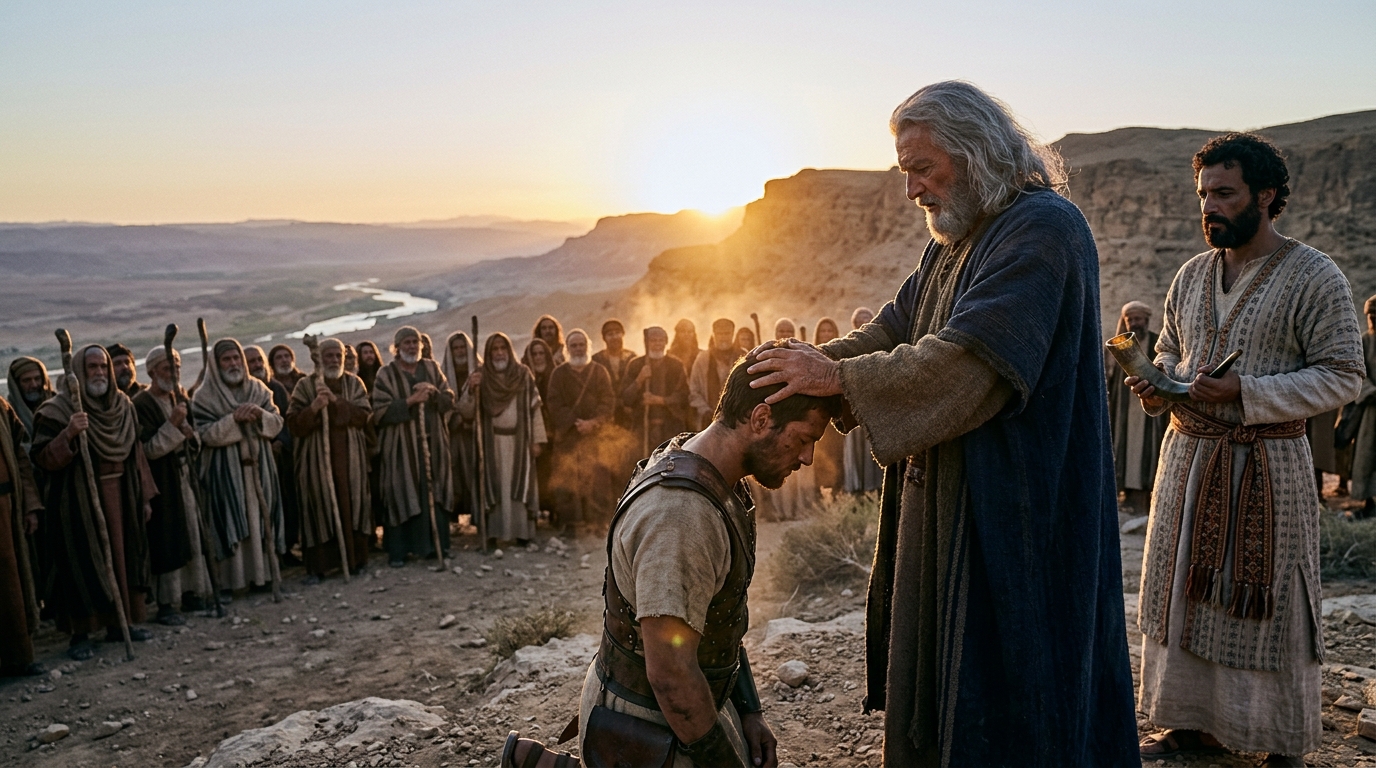
Dynamic Terrain: Designing Challenges and Player Navigation
Dynamic terrain challenges can transform the Red Sea crossing into a navigational feat, where players must adapt to changing conditions. The parted sea offers a unique setting; as players traverse the seabed, they could encounter obstacles such as rock formations, quicksand-like areas, or sudden water surges that threaten to close the path.
Incorporating such elements keeps the gameplay fresh and challenging. Players must make quick decisions, choose alternative routes, or use tools to clear obstacles. These mechanics can enhance the tension and excitement of the crossing, making it a memorable journey rather than a straightforward path.
Pacing and Player Agency: Balancing Freedom and Structure
One of the critical challenges in designing this sequence is balancing player agency with narrative pacing. The Red Sea crossing is not just a physical journey but a moment of spiritual and emotional significance. Game designers must ensure that players feel both the weight of the narrative and the freedom to explore their environment.
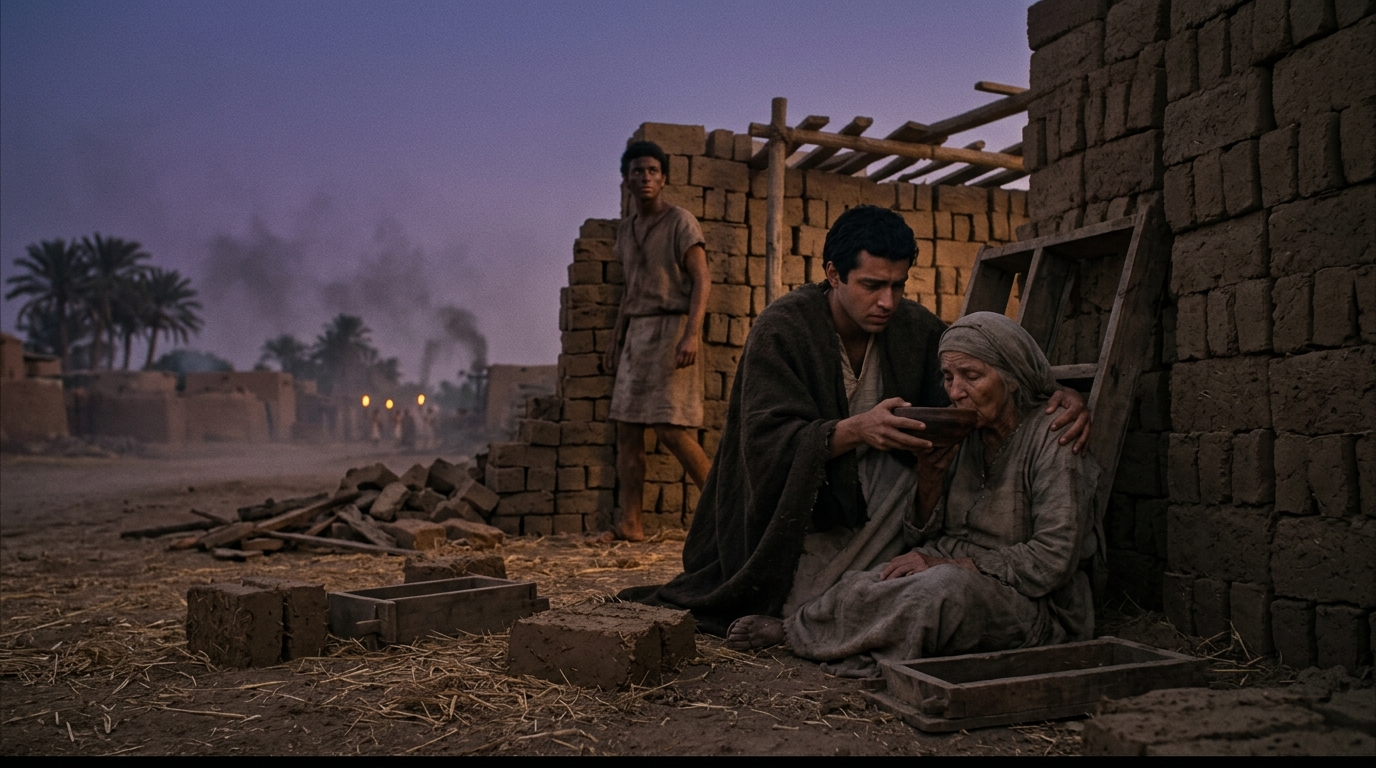
To achieve this, the game could offer branching paths or multiple solutions to puzzles, allowing players to choose how they want to experience the crossing. This freedom can be balanced with scripted events that maintain narrative tension, such as sudden environmental changes or encounters with non-playable characters that advance the story.
By giving players control over their actions while guiding them through a structured narrative arc, designers can create a more immersive and emotionally resonant experience.
Conclusion: Enhancing the Narrative through Game Design
The crossing of the Red Sea is a cornerstone of the Exodus story, rich with potential for interactive storytelling. By integrating environmental puzzles and dynamic terrain challenges, game designers can transform this event from a simple cutscene into a deeply engaging experience. These elements not only enhance gameplay but also deepen the narrative, allowing players to connect with the story on a personal level.
As players navigate the parted waters, they aren’t just completing a level; they are participating in a timeless tale of faith, freedom, and divine intervention. This approach not only respects the source material but also elevates the player’s journey, making the Red Sea crossing a standout moment in any Moses-inspired game.