Village Voices: Crafting the Vibrant Soundscape of Ancient Egyptian Settlements in a Moses Game
Explore creating immersive audio for a Moses game, capturing the soundscape of Ancient Egyptian life to enhance player immersion.
Introduction: The Importance of Sound in Historical Games
In the realm of historical video games, sound design plays a pivotal role in crafting an immersive experience. While visuals often take center stage, the auditory landscape can deeply influence how players perceive and engage with the game world. For a game inspired by the life of Moses and the Exodus, set against the backdrop of Ancient Egypt, the challenge lies in authentically recreating the soundscape of the time. This article delves into how sound can be used to breathe life into Ancient Egyptian settlements, enhancing the player’s connection to the historical and cultural context.
Sound Elements of Egyptian Life: From Markets to Riverbanks
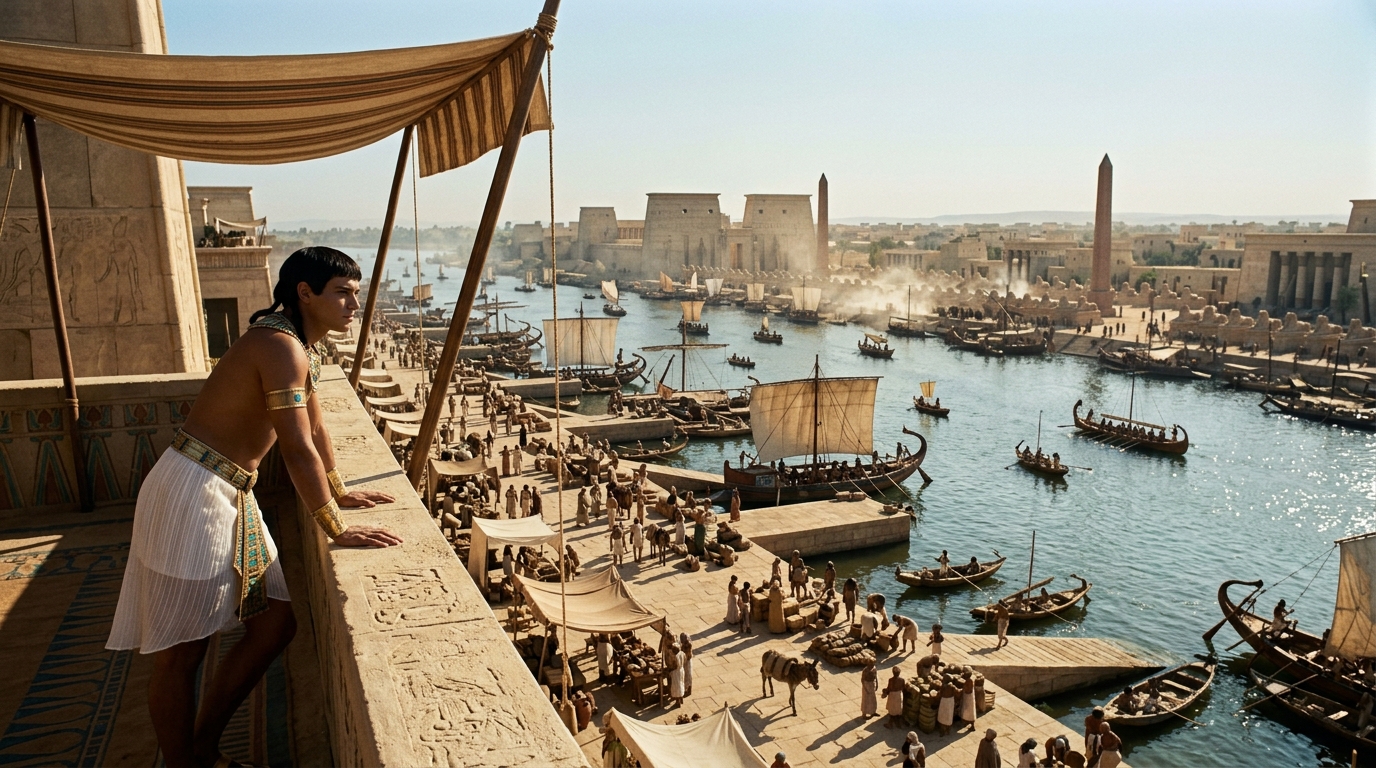
To create a convincing soundscape for a Moses game, it’s essential to consider the everyday sounds that would have defined life in Ancient Egyptian villages. These settlements were vibrant hubs of activity, filled with the sounds of bustling markets, the rhythmic flow of the Nile, and the hum of daily chores.
- Marketplaces: The heart of any village, markets would have been alive with the chatter of merchants and buyers, the clatter of pottery, and the occasional braying of livestock. Capturing this cacophony can convey the economic and social dynamics of the time.
- Riverbanks: The Nile was a lifeline for Ancient Egyptians, and its gentle lapping against the banks, coupled with the sounds of boats and fishing activities, would provide a serene yet vital backdrop.
- Agricultural Sounds: The rustling of reeds, the creaking of wooden tools, and the distant calls of farmers can add layers of authenticity, painting a picture of the agrarian lifestyle that sustained these communities.
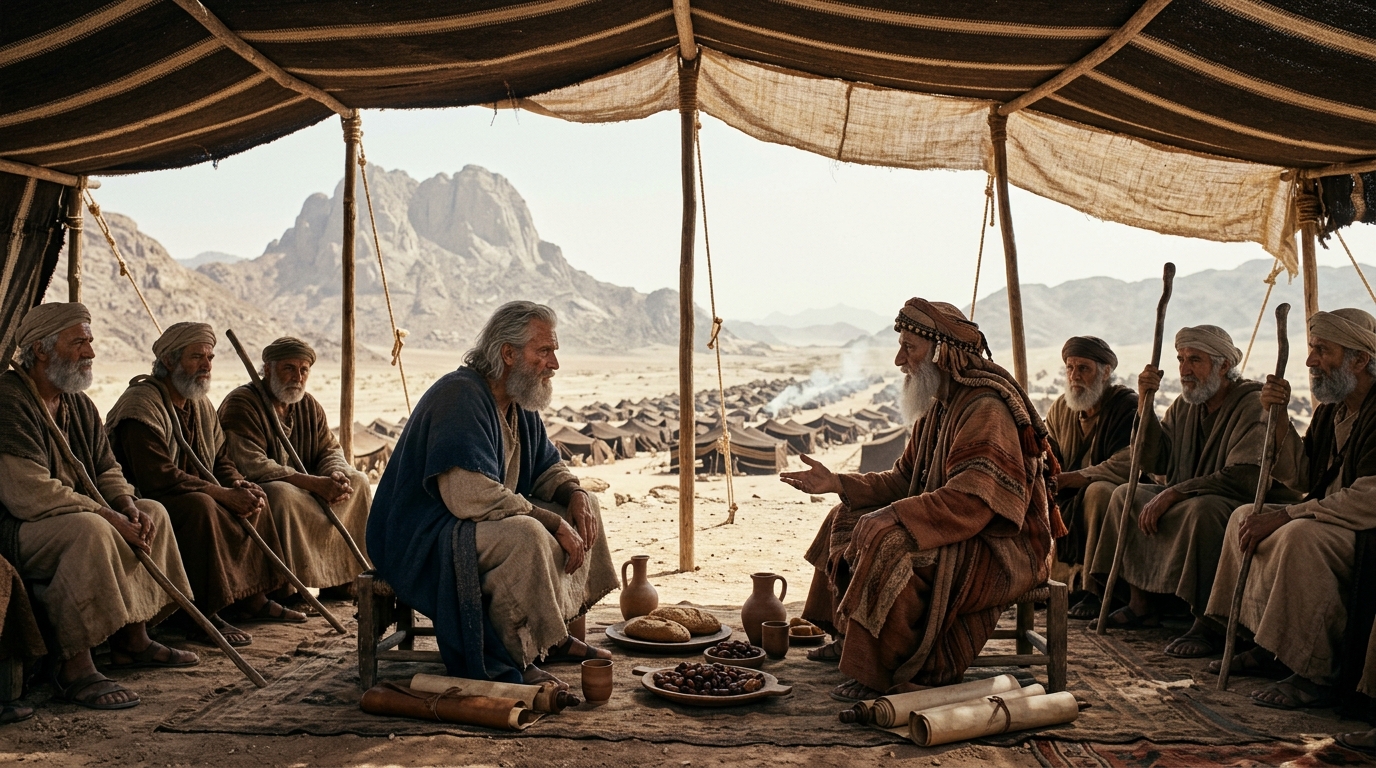
- Domestic Life: Inside homes, the clinking of utensils, the crackle of cooking fires, and the soft conversations of families would create an intimate soundscape, reflecting the personal lives of villagers.
Techniques for Authentic Audio Recreation
Recreating these sounds authentically requires a blend of historical research and modern audio technology. Developers can employ several techniques to ensure that the sound design is both accurate and engaging:
- Field Recording: Utilizing recordings from similar modern-day environments can provide a base for authentic soundscapes. For instance, capturing the sounds of traditional markets or rivers can serve as a foundation.
- Sound Libraries: Leveraging extensive sound libraries that specialize in historical and natural sounds can help fill in gaps, providing a rich palette of audio elements to draw from.
- Audio Synthesis: When direct recordings aren’t possible, synthesizing sounds using digital tools can approximate historical noises, allowing for creative yet plausible interpretations.
- Dynamic Soundscapes: Implementing systems that adjust sounds based on player actions and environmental changes can create a more interactive and responsive world.
Balancing Historical Accuracy and Player Experience
While authenticity is crucial, it’s important to balance it with the player’s experience. Overwhelming the player with too much ambient noise can detract from gameplay, while too little can make the world feel lifeless. Striking this balance involves:

- Prioritizing Sounds: Identifying which sounds are most important for conveying the setting and which can be subdued to prevent auditory overload.
- Layering Audio: Using layered audio to create depth, where primary sounds take precedence and secondary sounds enrich the environment without overwhelming it.
- Contextual Audio Cues: Ensuring that sounds provide meaningful feedback and context, guiding players and enhancing narrative elements.
Case Studies: Successful Soundscapes in Historical Games
Several historical games have set benchmarks for sound design, offering valuable lessons for developers:
- Assassin’s Creed Origins: This game effectively uses ambient sounds to bring Ancient Egypt to life, with detailed audio that reflects the diversity of environments from bustling cities to quiet oases.
- Hellblade: Senua’s Sacrifice: While not a historical game per se, its use of binaural audio to create an immersive and psychologically intense experience demonstrates the power of sound in storytelling.
- The Witcher 3: Wild Hunt: Known for its rich soundscapes, this game uses environmental sounds to enhance its fantasy world, offering insights into how sound can support narrative and mood.
Conclusion: Enhancing Immersion through Sound
Crafting an immersive audio experience in a Moses game set in Ancient Egypt involves more than just historical accuracy—it requires a nuanced approach that considers player engagement and narrative depth. By thoughtfully integrating the sounds of daily life, developers can create a living, breathing world that not only captivates players but also enriches their understanding of the historical context. Through meticulous sound design, the voices of ancient villages can echo once more, drawing players into the vibrant tapestry of the past.