Secrets of the Wilderness: Discovering Ancient Waypoints and Hidden Paths in a Moses Game
Explore hidden paths in a Moses game to enhance narrative depth and player engagement through environmental storytelling.
The Allure of Hidden Paths in Gaming
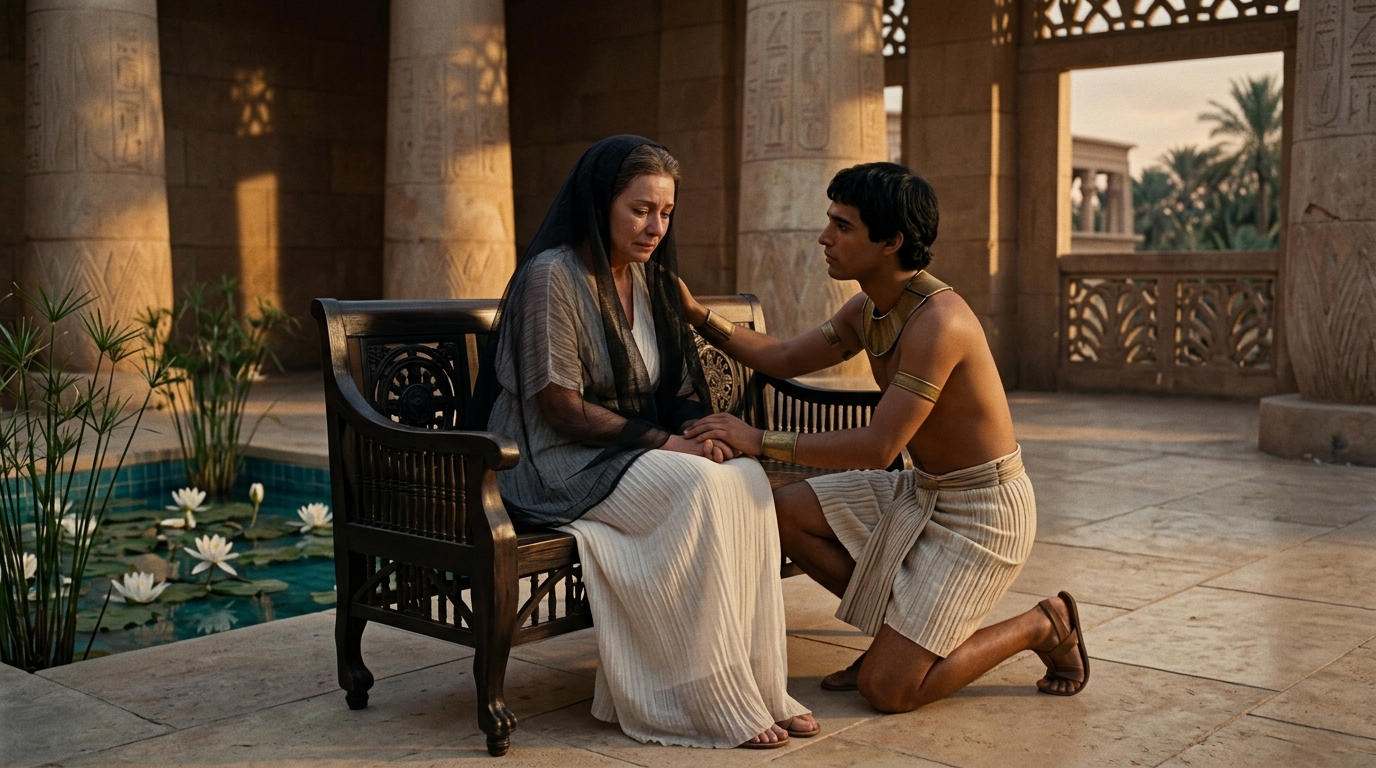
In the realm of video games, the thrill of discovery often lies in the unexpected—the hidden paths, secret waypoints, and the stories they uncover. These elements can transform a linear narrative into a rich tapestry of exploration and mystery. In a game inspired by the biblical story of Moses and the Exodus, the potential for such hidden elements to enhance narrative depth is immense. By weaving ancient waypoints and secret paths into the landscape, developers can invite players to delve deeper into the world, uncovering layers of history and lore that enrich the core narrative.
Historical and Biblical Inspirations for Secret Routes
The Exodus narrative, as described in the Bible, is a journey filled with trials, divine interventions, and moments of profound faith. While the biblical account provides a framework, historical and archaeological studies offer additional context about the period. For instance, the Sinai Peninsula, a significant location in the Exodus story, is dotted with trade routes and ancient trails that could inspire the design of secret paths in the game.
These hidden routes could lead to secluded oases, remnants of ancient settlements, or forgotten altars. Each waypoint could serve as a narrative device, revealing insights into the lives and struggles of the Israelites. By integrating historically plausible elements, such as inscriptions or relics, players could piece together the broader story of the Exodus, enhancing their understanding and connection to the narrative.
Designing Environmental Storytelling with Waypoints and Paths
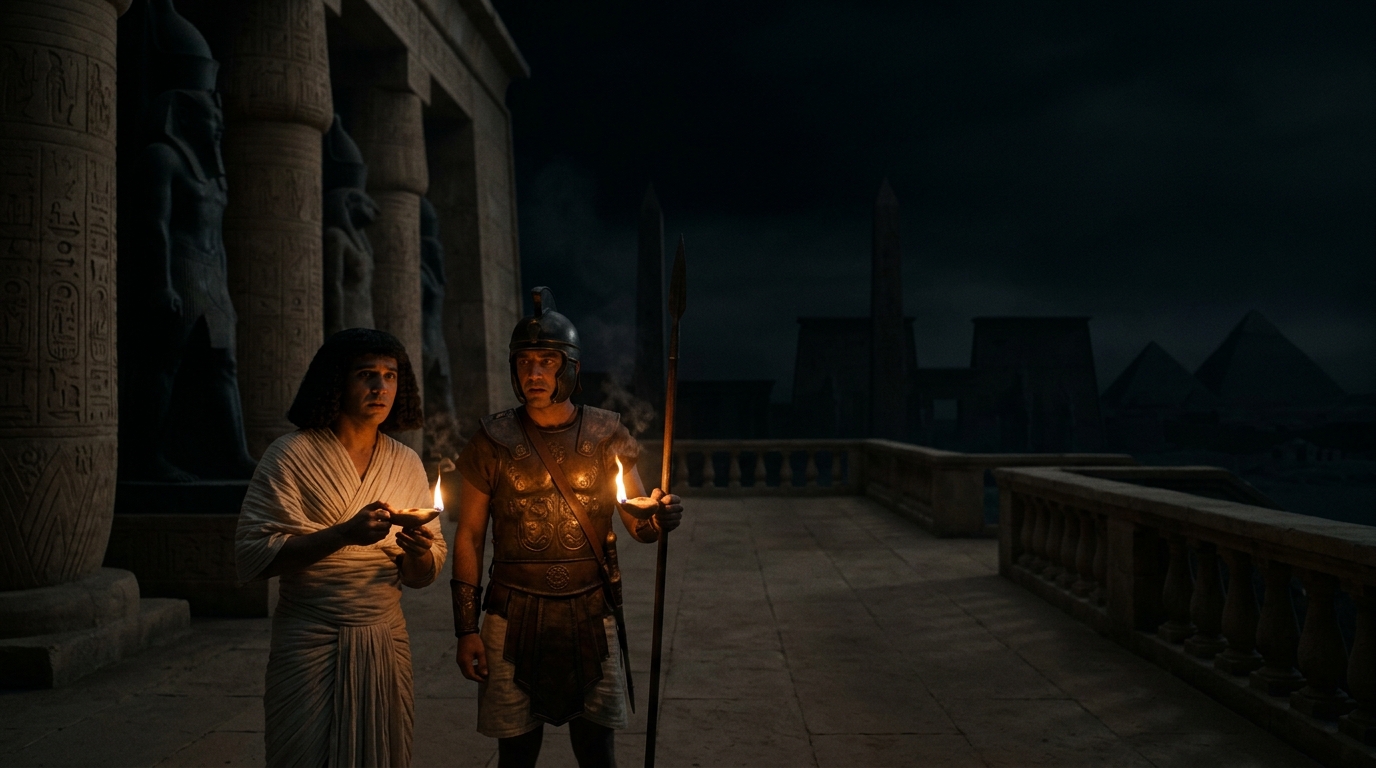
Environmental storytelling is a powerful tool in game design, allowing narratives to unfold through the world itself rather than through direct exposition. In a Moses game, hidden waypoints and paths can serve as conduits for such storytelling. Imagine a player stumbling upon a hidden cave adorned with ancient carvings that depict key events of the Exodus journey. These visuals could provide context and depth, allowing players to engage with the story on a more personal level.
Moreover, these paths can also present challenges and choices, reflecting the hardships faced by the Israelites. A path might lead to a difficult terrain that tests the player’s resource management or problem-solving skills, mirroring the real-world difficulties of survival in the desert. Such design choices not only enrich the narrative but also enhance gameplay by introducing elements of strategy and decision-making.
Balancing Exploration with Main Story Progression
One of the key challenges in integrating hidden paths into a game is ensuring they complement rather than detract from the main story. In a Moses game, the balance between exploration and narrative progression is crucial. Players should feel that their discoveries enhance their understanding of the main story, rather than serving as mere distractions.
To achieve this balance, developers can design these paths to offer narrative rewards that tie back into the central plot. For instance, discovering a hidden spring could not only provide a temporary resource boost but also reveal a story about the community’s resilience and faith. Such discoveries should feel meaningful, encouraging players to explore while remaining invested in the overarching narrative.

Case Studies: Successful Implementations in Other Games
Several games have successfully utilized hidden paths and environmental storytelling to enhance their narratives. For example, the Dark Souls series is renowned for its intricate world design, where every nook and cranny holds secrets that flesh out the game’s lore. Similarly, The Legend of Zelda: Breath of the Wild offers an expansive world filled with hidden shrines and paths that reward exploration with both gameplay benefits and narrative insights.
These examples illustrate how well-designed hidden paths can deepen player engagement and investment in the story. By applying similar principles to a Moses game, developers can create a world that feels alive and rich with history, encouraging players to explore and discover the untold stories of the Exodus.
Conclusion: Enriching the Player’s Journey through Discovery
The integration of hidden paths and ancient waypoints in a Moses game offers a unique opportunity to enhance narrative depth and player engagement. By drawing on historical and biblical inspirations, developers can create a world that invites exploration and rewards curiosity. These elements not only enrich the narrative but also provide players with a more immersive and meaningful gaming experience.
As players navigate this richly designed world, they will uncover stories that deepen their understanding of the Exodus and its significance. In doing so, they become active participants in the narrative, their journey enriched by the secrets they discover along the way.