Emotional Landscapes: Crafting Player Empathy Through Environmental Storytelling in a Moses Game
Explore how environmental storytelling in a Moses game builds empathy, from Egypt’s opulence to the Sinai’s stark wilderness.
Introduction: The Power of Environmental Storytelling
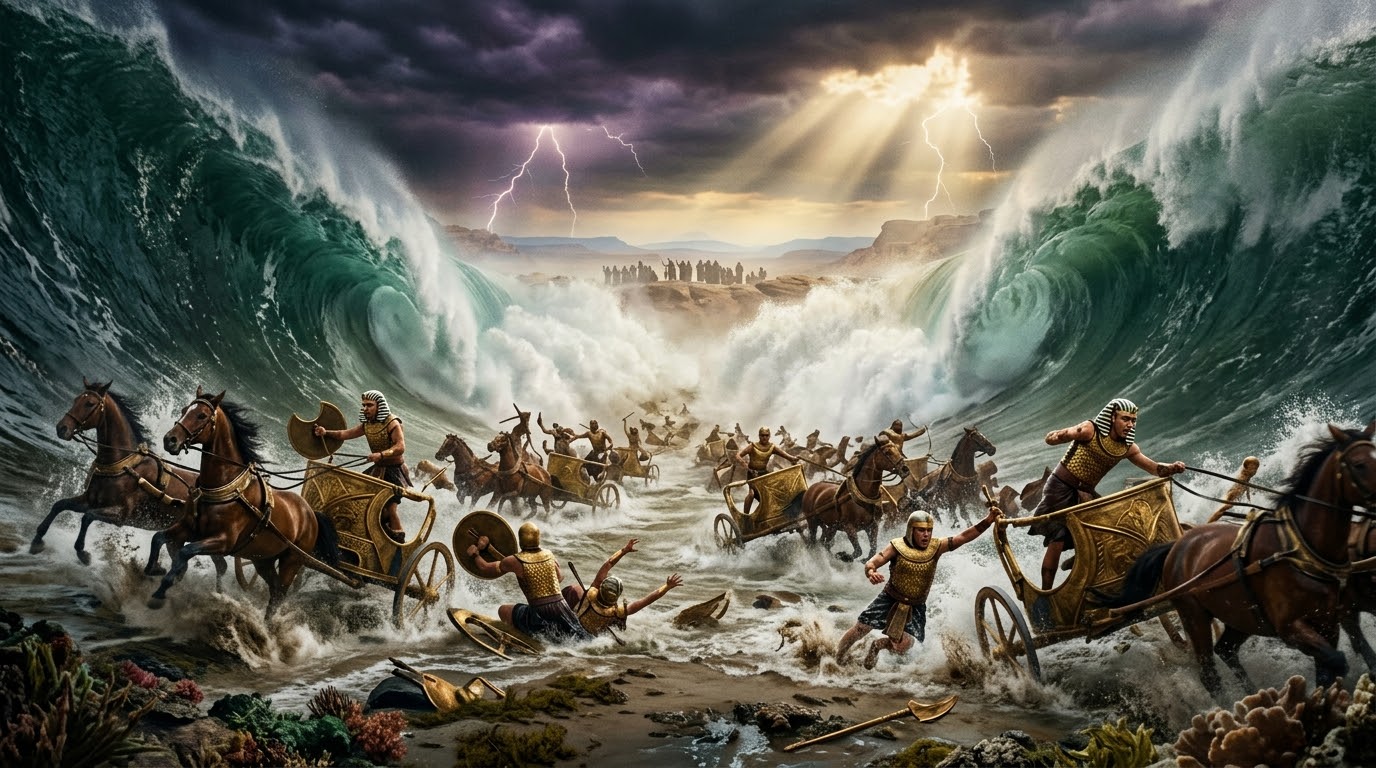
In the realm of video games, storytelling often relies on dialogue and character development. However, the environment itself can be a powerful narrative tool, shaping player experiences and emotions. In a game inspired by the biblical narrative of Moses, environmental storytelling can play a pivotal role in immersing players in the ancient world. By focusing on the transition from the opulence of Egypt to the stark wilderness of the Sinai Desert, game designers can craft a journey that is as emotionally resonant as it is visually striking.
Setting the Stage: Egypt’s Opulence vs. Sinai’s Desolation
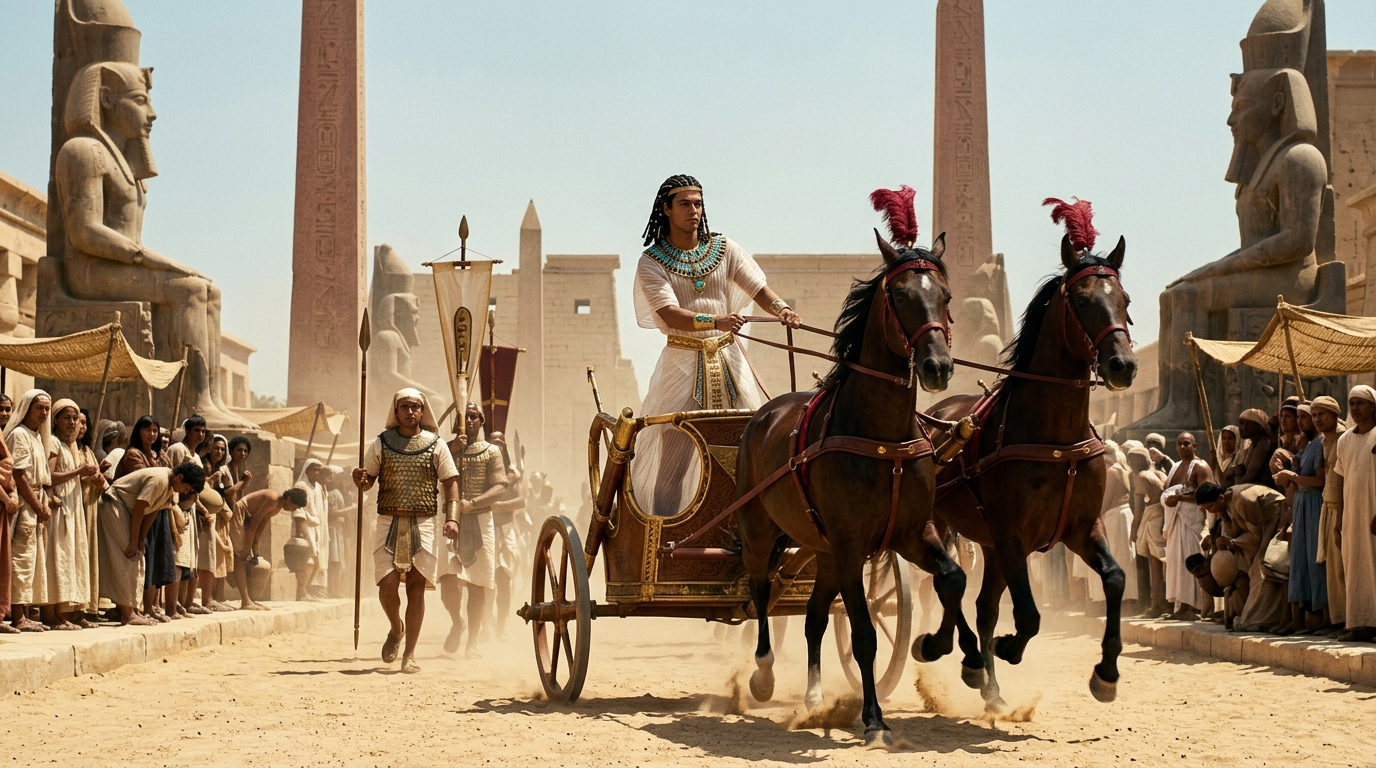
The contrast between Egypt and the Sinai Desert offers rich material for environmental storytelling. Ancient Egypt was known for its grandeur, with lush landscapes, monumental architecture, and bustling cities. A Moses game could depict the Nile’s fertile banks, the grandeur of Pharaoh’s palaces, and the vibrant life in Egyptian settlements. Players could explore markets teeming with traders, artisans at work, and the hum of daily life, all rendered in intricate detail to convey a sense of abundance and prosperity.
In stark contrast, the Sinai Desert represents a world of desolation and challenge. Here, the environment shifts dramatically to barren landscapes, harsh climates, and a sense of isolation. The transition from Egypt to Sinai should not only be visual but also emotional, capturing the Israelites’ journey from bondage to freedom. The desolation of the desert can evoke feelings of vulnerability and resilience, pushing players to empathize with the struggle for survival and faith.
Designing Emotional Landscapes: Strategies and Techniques
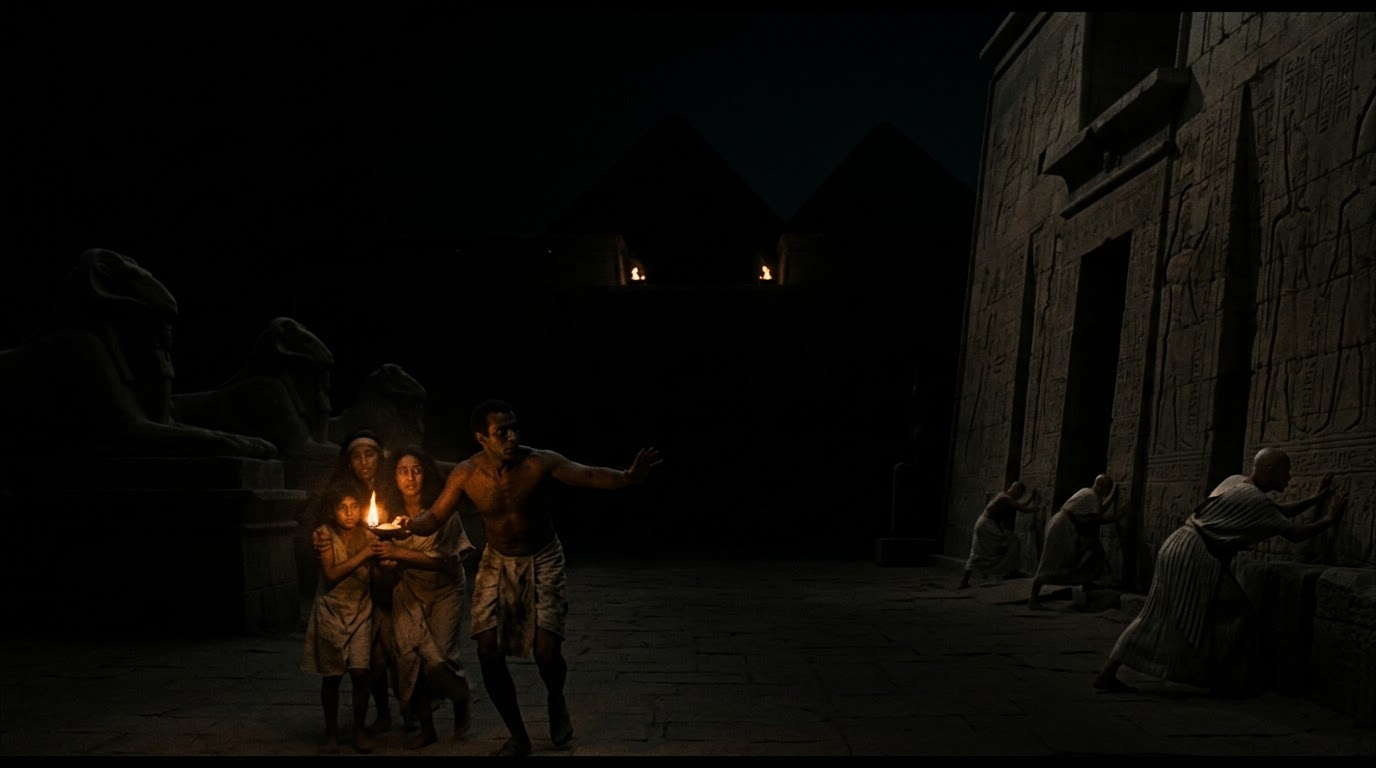
To effectively use environmental storytelling, designers can employ several strategies. Visual contrast is key; the lush greens and blues of Egypt should give way to the muted tones of the desert. Lighting can play a crucial role, with Egypt bathed in warm, golden hues, while the Sinai might be depicted under a harsh, relentless sun or a star-filled night sky that emphasizes its vast emptiness.
Sound design also enhances emotional impact. The bustling sounds of Egyptian life could be replaced by the haunting winds of the desert, reinforcing the sense of isolation. Additionally, dynamic weather systems can add layers of realism and narrative depth. A sudden sandstorm could serve as a metaphor for the Israelites’ turmoil, while a rare desert rain might symbolize hope and renewal.
Interaction and Immersion: Enhancing Player Empathy
Interactivity is crucial in fostering empathy. Players could be tasked with gathering resources in the desert, feeling the weight of scarcity and the importance of community. Environmental puzzles could require players to navigate the terrain thoughtfully, mirroring the challenges faced by the Israelites.
Moreover, the game could incorporate decision-making that impacts the environment, such as choosing routes that affect resource availability or influence the morale of the community. These choices would not only engage players but also deepen their emotional connection to the narrative, as they experience the consequences of their actions in a world that feels alive and responsive.
Challenges in Historical Environmental Storytelling
Portraying historical and biblical landscapes comes with its own set of challenges. Designers must balance accuracy with creative interpretation, ensuring that the environments are both believable and engaging. While archaeological evidence provides some insights into the ancient world, much remains speculative, requiring careful consideration to avoid anachronisms or misrepresentations.
Additionally, the spiritual and cultural significance of the Exodus story must be handled with sensitivity. The landscapes should not only serve as backdrops but also reflect the deeper themes of faith, liberation, and identity. This requires a nuanced approach, where every environmental detail contributes to the overarching narrative.
Conclusion: The Impact of Emotional Engagement in Story-Driven Games
By focusing on environmental storytelling, a Moses game can transform landscapes into powerful narrative devices, evoking empathy and emotional engagement. The journey from Egypt’s opulence to the Sinai’s desolation is not just a physical transition but an emotional odyssey that can resonate with players on a profound level.
Incorporating elements like visual contrast, sound design, and player interaction, designers can create a rich tapestry of experiences that immerse players in the ancient world. This approach not only enriches the narrative but also elevates the game into an exploration of human resilience and faith, making the biblical story of Moses a compelling and immersive experience for modern audiences.