The Market Dynamics of Ancient Egypt: Crafting a Living Economy in a Moses Game
Explore how Ancient Egypt’s economy can enhance a Moses game’s immersion through trade, markets, and historical authenticity.
Introduction: The Role of Economy in Immersion
In crafting a video game centered around the biblical narrative of Moses, developers often gravitate towards the grandiose elements of the story—plagues, miracles, and epic journeys. However, to truly immerse players in the world of Ancient Egypt, it is crucial to also focus on the everyday economic life that characterized this ancient civilization. By integrating authentic market dynamics and trade systems, a Moses game can offer players a deeper and more tangible connection to the world they are exploring.
Historical Context: Understanding Ancient Egyptian Markets
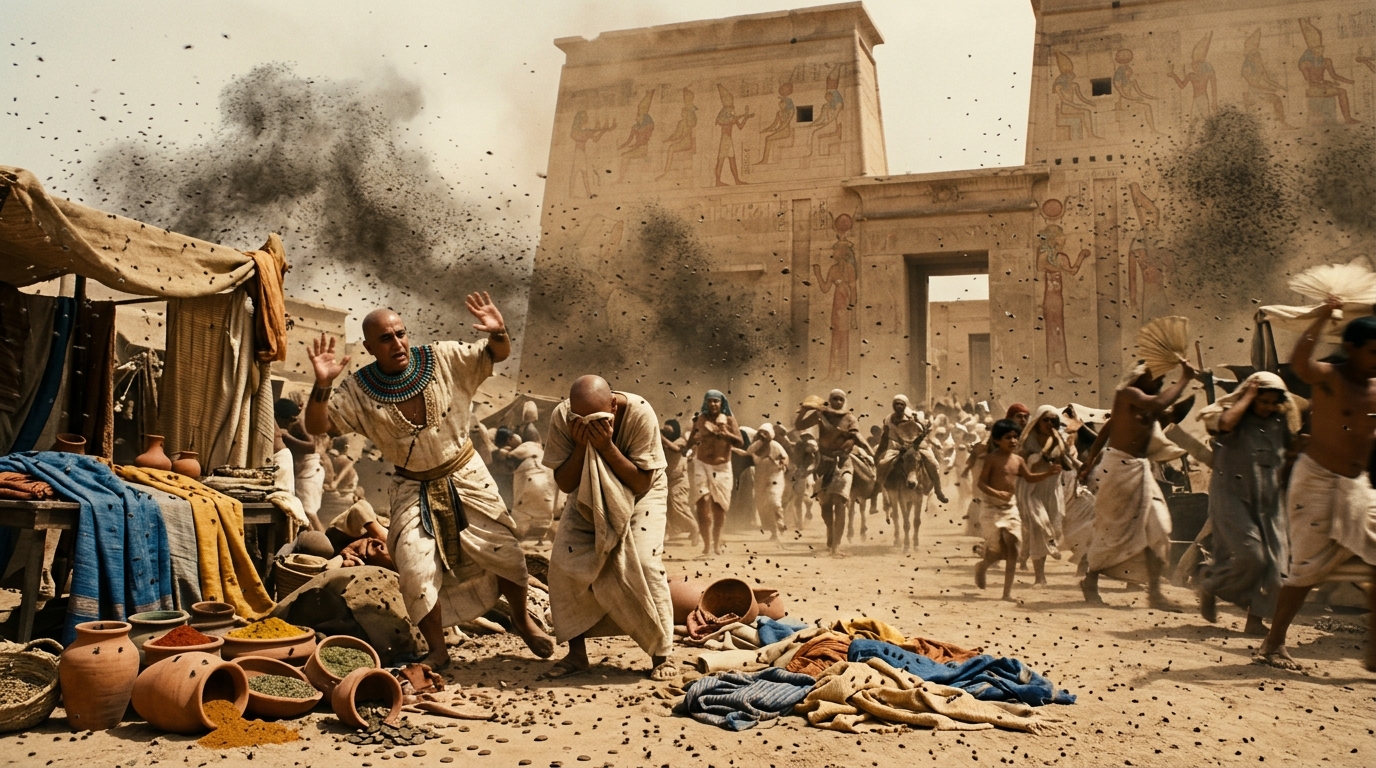
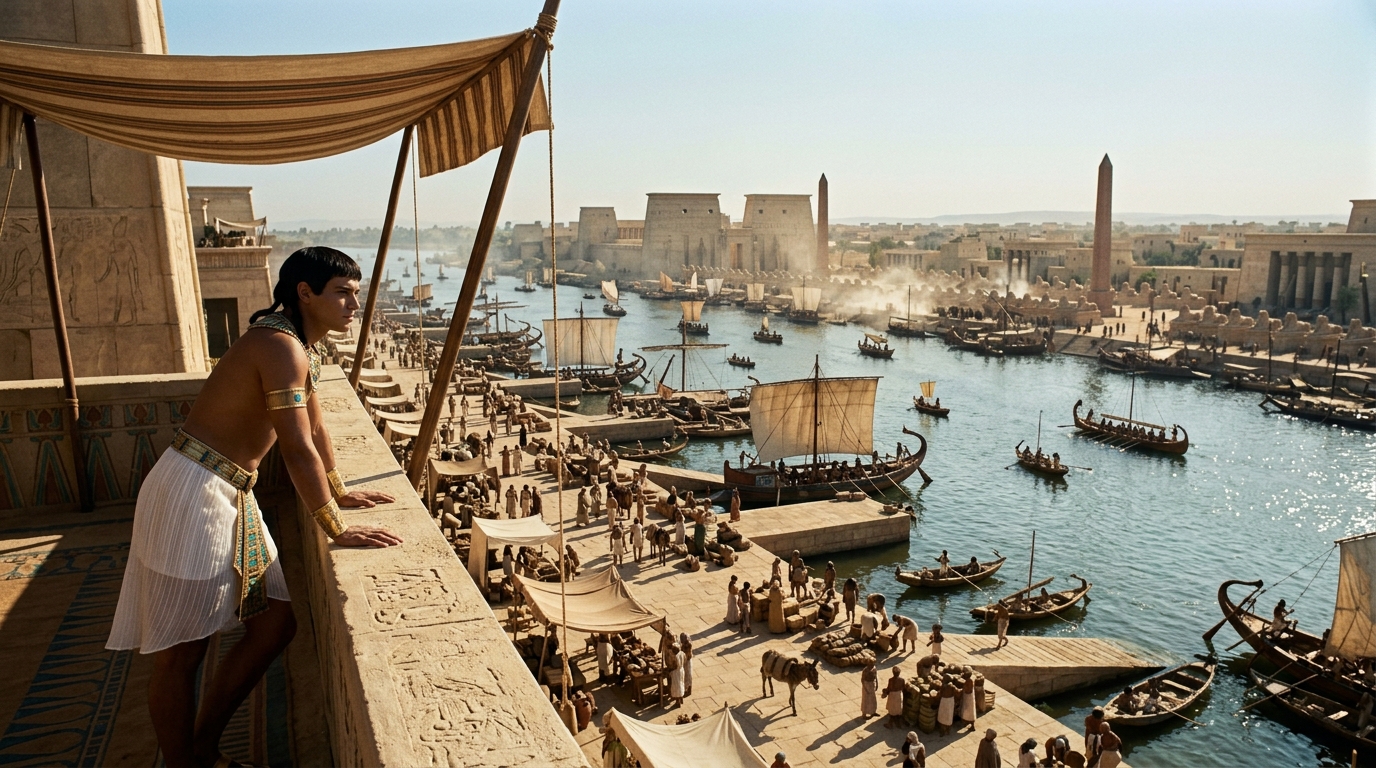
Ancient Egypt was a civilization deeply rooted in its economic practices, with a complex system of trade and commerce. Markets were not just places of transaction but hubs of social interaction and cultural exchange. Historical sources such as papyri, inscriptions, and archaeological findings reveal that trade was a vital component of Egyptian society. Goods like grain, papyrus, linen, and gold flowed through bustling trade hubs such as Thebes, Memphis, and the Nile Delta.
Egypt’s economy was largely agrarian, with the Nile River playing a central role in agriculture and trade. The inundation of the Nile provided fertile land for crops, which were then traded locally and exported. Additionally, long-distance trade networks extended to regions like Nubia, the Levant, and beyond, bringing exotic goods and cultural influences into Egypt.
Game Design Possibilities: Integrating Market Dynamics
Incorporating these historical economic systems into a Moses game presents exciting design possibilities. Players could engage with a barter system, negotiating trades with local merchants or participating in market days. Trade quests could involve transporting goods along the Nile or establishing trade routes with neighboring regions.
Markets could serve as dynamic environments where players gather resources, gain access to information, and influence their social standing. Economic reputation systems could be implemented, allowing players to build relationships with NPCs and affect their standing within the community based on their trade interactions.
Narrative Implications: How Trade Influences Storytelling
The integration of trade and market dynamics can significantly enhance the storytelling potential of a Moses game. The player’s interactions with these systems can impact the narrative in meaningful ways. For example, securing essential resources through trade might be crucial for the survival and progression of the player’s community.
Moreover, trade networks can introduce players to diverse characters and cultures, enriching the narrative with varied perspectives and conflicts. The consequences of economic decisions, such as choosing to support one trade partner over another, could lead to branching storylines and moral dilemmas.
Player Interaction: Mechanics of Economic Engagement
To effectively engage players with the economic aspects of Ancient Egypt, the game could employ mechanics that reflect the historical realities of the time. Players might manage resources, negotiate prices, and strategically plan trade missions. These activities would require players to consider supply and demand, regional specialties, and the impact of their actions on the broader game world.
Incorporating economic inequality and societal roles into the game can further deepen the player’s experience. Players might encounter characters from different social strata, each with unique challenges and opportunities influenced by their economic status. This dynamic can encourage players to consider the societal implications of their economic choices.
Conclusion: Crafting a Believable Economic World
By embracing the economic intricacies of Ancient Egypt, a Moses game can transcend traditional storytelling and offer players a rich, immersive experience. The careful integration of market dynamics and trade systems provides a platform for nuanced gameplay and narrative depth, inviting players to engage with the historical world in a meaningful way.
Ultimately, the inclusion of these economic elements not only enhances the authenticity of the game but also invites players to explore the complexities of human society, both ancient and modern. By crafting a believable economic world, developers can create a Moses game that resonates with players long after they’ve put down the controller.