The Maze of Intrigue: Navigating the Politics of Pharaoh’s Court in a Moses Game
Explore Pharaoh’s court politics in a Moses game, offering strategic gameplay and narrative depth.
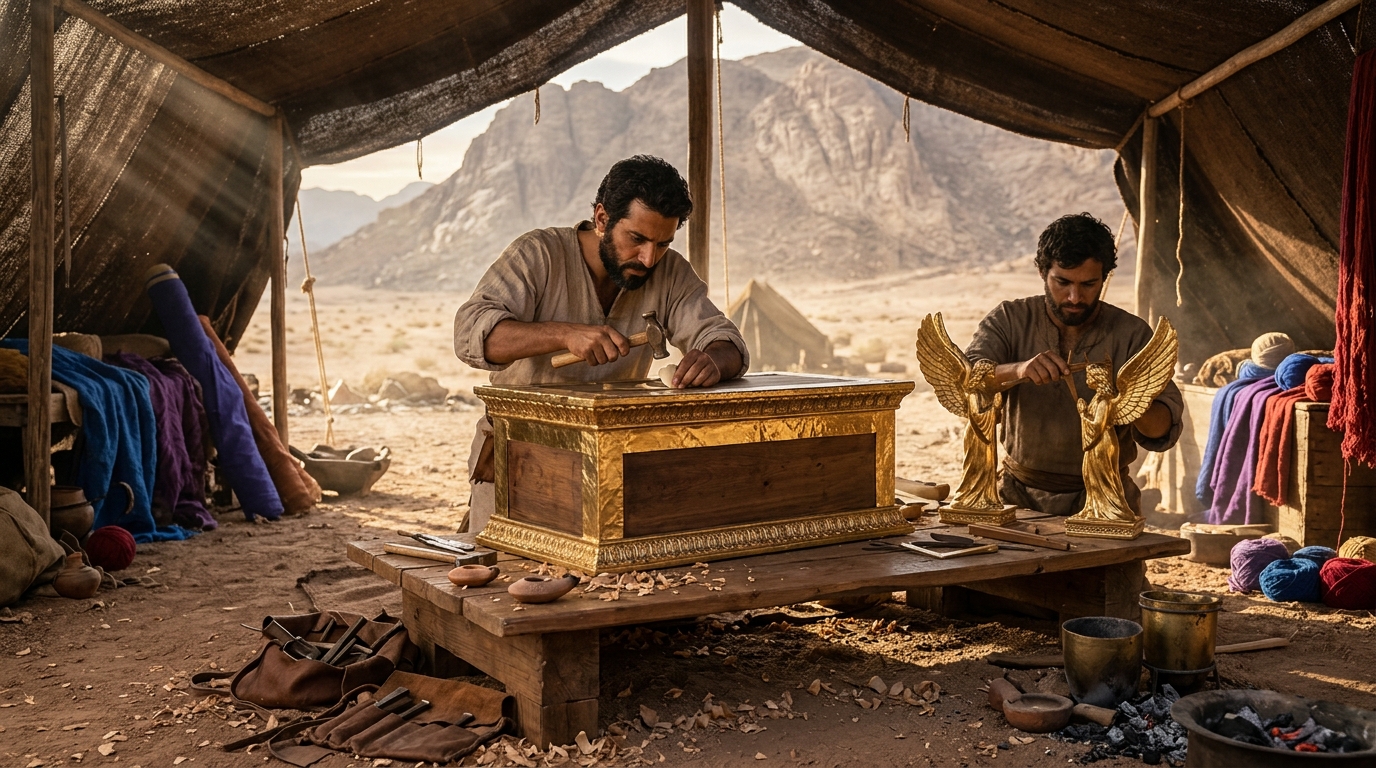
In the realm of video game design, the story of Moses offers a rich tapestry of narrative potential, particularly when examining the political and social intricacies of Pharaoh’s court. While Pharaoh often stands as the singular antagonist, a deeper dive into the court’s political dynamics presents an opportunity to create a complex network of adversaries and allies, enriching the narrative and gameplay experience. This article explores how these elements can be woven into a Moses-themed game, providing insights for game designers and narrative enthusiasts alike.
Setting the Stage in Pharaoh’s Court
The court of Pharaoh was not merely a backdrop for biblical events; it was a bustling hub of power, intrigue, and influence. In a Moses-themed game, setting the stage within this environment allows players to immerse themselves in a world where every decision could alter the course of history. The court is a labyrinth of alliances and rivalries, with each character possessing distinct motivations that could either aid or hinder Moses’ mission. By focusing on this setting, developers can create a dynamic and engaging experience that goes beyond the traditional hero-versus-villain narrative.
The Political Web: Key Players and Their Motivations
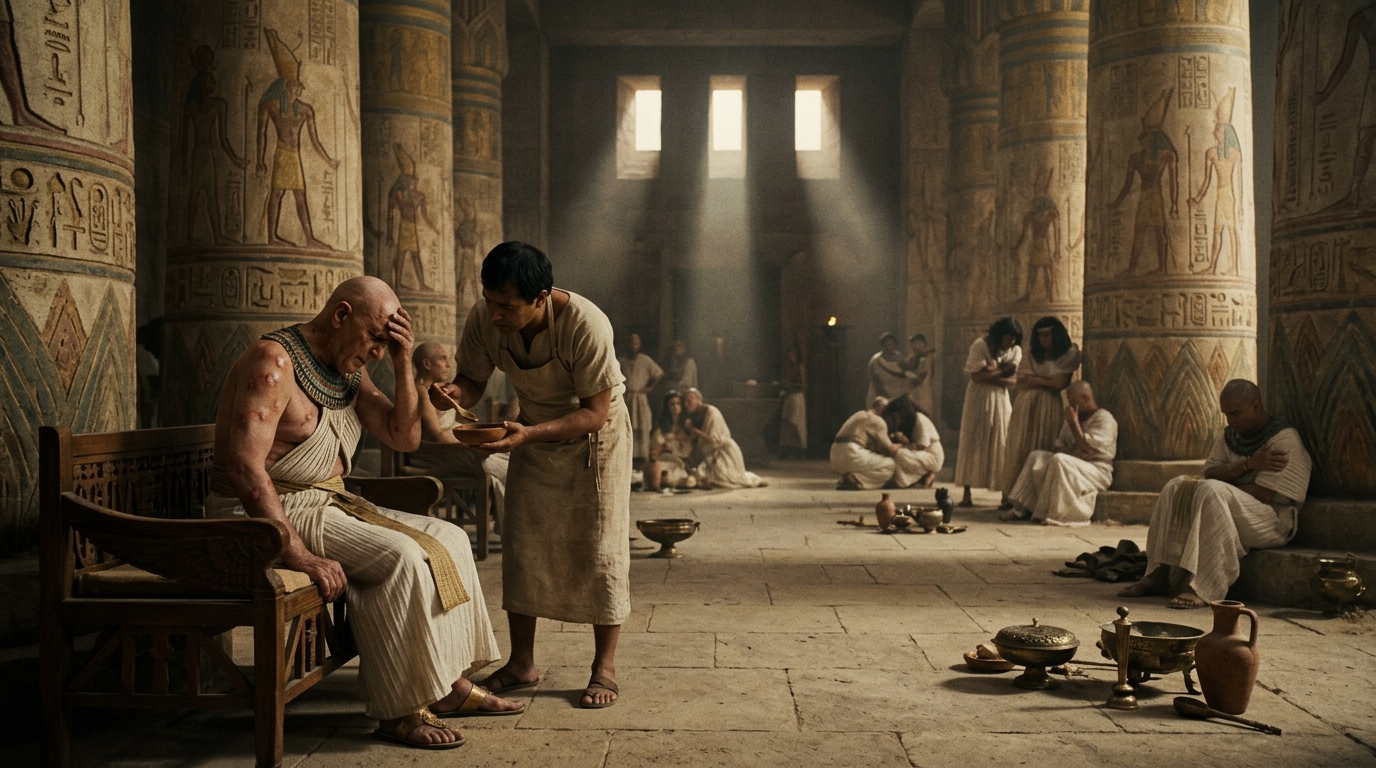
Within Pharaoh’s court, a myriad of officials and factions vie for power and favor. These characters can serve as both obstacles and allies for players navigating the game’s narrative. Historical records and biblical texts suggest the presence of a complex hierarchy, including viziers, priests, military leaders, and scribes. Each of these roles can be fleshed out with unique backstories and objectives, creating a web of intrigue that players must untangle. For instance, a vizier might secretly sympathize with the Hebrews, while a high priest could be fervently loyal to Pharaoh, setting up potential conflicts and alliances.
Mechanics of Intrigue: Gameplay Elements Inspired by Court Politics
To translate the political dynamics of Pharaoh’s court into engaging gameplay mechanics, developers could consider implementing systems of influence and reputation. Players might need to navigate conversations, make strategic alliances, and gather intelligence to sway key figures to their side. Choices made in these interactions could have lasting impacts, altering relationships and opening or closing narrative paths. Mini-games or challenges based on persuasion, negotiation, and espionage could provide additional layers of depth, encouraging players to think critically about their next move.
Moral Tension: Navigating Ethical Dilemmas Within the Palace
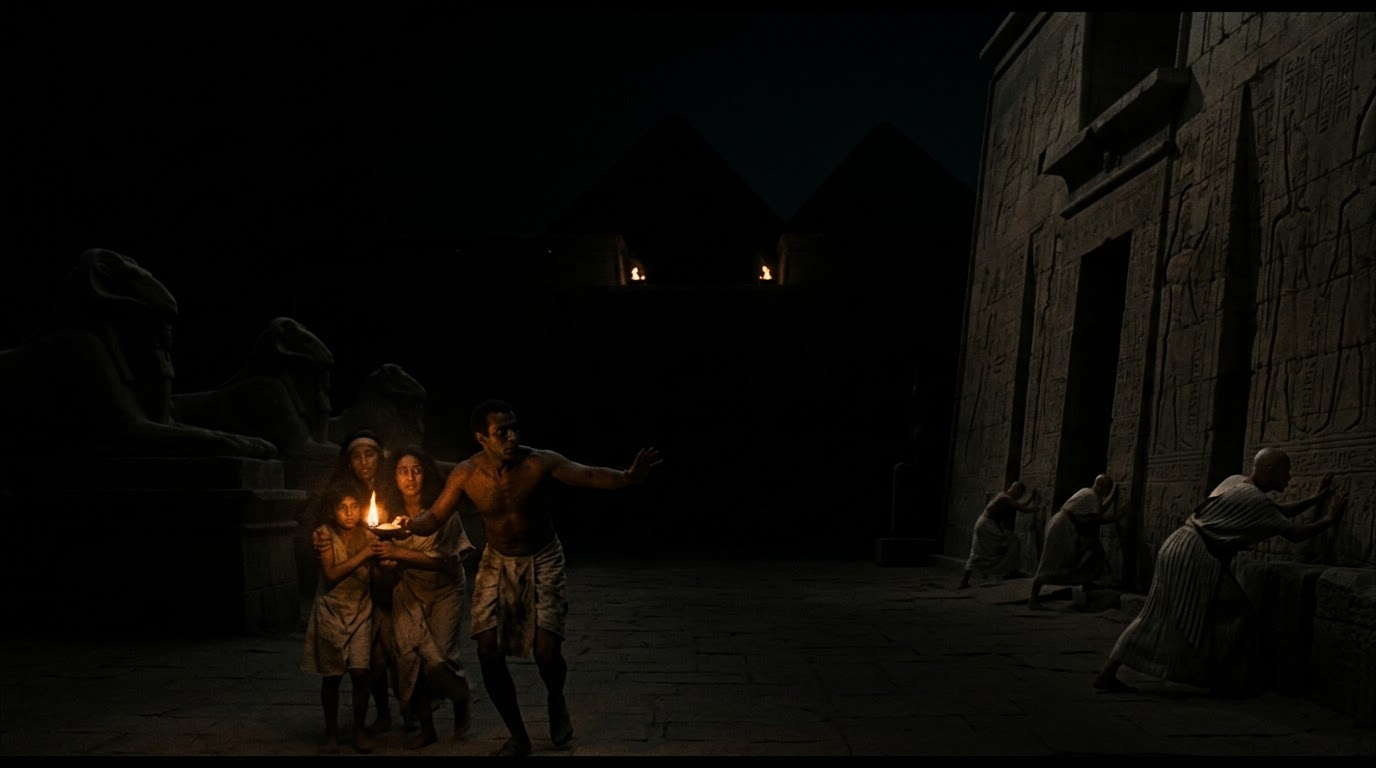
The court of Pharaoh is ripe with moral complexities that can be woven into the game’s narrative. Players might face dilemmas that test their ethical boundaries, such as deciding whether to betray a confidant to gain the favor of a powerful official or choosing between the safety of a small group versus the larger mission. These scenarios not only enhance the storytelling but also engage players on a personal level, prompting them to reflect on their values and the consequences of their actions.
Historical Authenticity vs. Creative License: Balancing Fact and Fiction
One of the challenges in designing a Moses-themed game is balancing historical authenticity with creative license. While the biblical narrative provides a framework, historical records of Ancient Egypt offer additional context that can enrich the story. Developers should aim to depict the court’s political environment as accurately as possible, drawing on scholarly interpretations and historical texts. However, creative liberties may be necessary to fill in gaps or enhance gameplay. Striking this balance ensures the game remains respectful of its source material while still offering an engaging and imaginative experience.
Conclusion: The Impact of Court Intrigue on the Moses Narrative
By focusing on the political intricacies of Pharaoh’s court, a Moses-themed game can transcend traditional storytelling and offer players a nuanced and strategic experience. The court’s web of intrigue provides a fertile ground for narrative development, allowing players to engage with a diverse cast of characters and navigate a world where every decision carries weight. As developers explore this unique angle, they open up new possibilities for storytelling and gameplay, crafting a game that is as intellectually stimulating as it is entertaining.