The Game of Thrones in Pharaoh’s Court: Designing Political Tension and Intrigue in a Moses Game
Explore political intrigue in Pharaoh’s court for a Moses game, navigating relationships, dilemmas, and strategic decisions.

The Power Dynamics of Pharaoh’s Court
The story of Moses and the Exodus is one of the most captivating narratives in religious and historical texts. While much focus is given to the miraculous events and the eventual liberation of the Israelites, the political intrigue and tension within Pharaoh’s court offer a rich tapestry for storytelling and gameplay. A video game set in this era can delve into the complexities of power dynamics, where players must navigate the intricate politics of Ancient Egypt. By focusing on the relationships and strategic decisions within the court, developers can create a narrative-driven experience that challenges players to think critically and make impactful choices.
Historical and Biblical Context: Understanding Ancient Egyptian Politics
To design a game that authentically portrays Pharaoh’s court, one must first understand the political landscape of Ancient Egypt during the time of Moses. The court was a hub of power, with Pharaoh at its center, surrounded by a complex hierarchy of officials, advisors, and nobles. Historical texts suggest that these figures wielded significant influence, often engaging in political maneuvering to advance their status or protect their interests.
The biblical narrative provides glimpses into these dynamics, particularly in the interactions between Moses, Pharaoh, and the court. While the Bible emphasizes the divine mission of Moses, it also hints at the political challenges he faced. These include persuading a reluctant Pharaoh and dealing with court officials who had their own agendas. By integrating these elements, a game can offer players a layered experience where they must manage alliances and rivalries to achieve their goals.

Designing Political Intrigue: Mechanics and Decision-Making
Incorporating political intrigue into a Moses game requires innovative mechanics that allow players to engage deeply with the court’s dynamics. One approach is to implement a branching narrative system where players’ choices affect their standing within the court and the broader story. Players could assume the role of an advisor or a court official, tasked with balancing their loyalty to Pharaoh and their sympathy for Moses’ cause.
Timed decisions could add to the tension, forcing players to make quick judgments that could alter the course of events. For instance, players might have to decide whether to support a powerful official’s proposal or to secretly aid Moses, each choice carrying significant risks and rewards. This mechanic not only enhances the narrative stakes but also immerses players in the high-stakes environment of court politics.
Moral Dilemmas and Loyalties: Player Choices and Consequences
Moral conflict is a potent tool in narrative design, especially in a setting as charged as Pharaoh’s court. Players could face dilemmas that test their values, such as whether to betray a trusted ally for greater influence or to stand by their principles at the cost of personal advancement. These decisions should have lasting consequences, affecting relationships with other characters and the unfolding story.
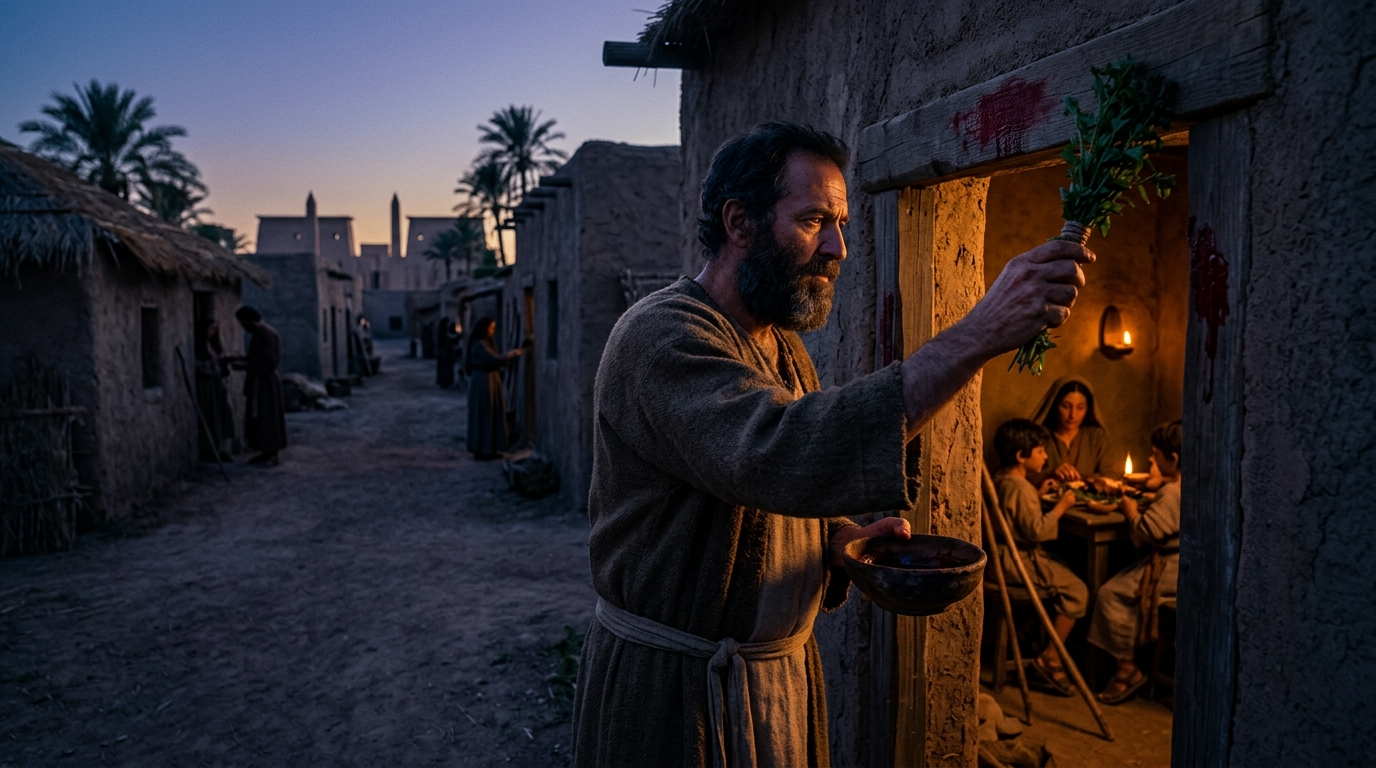
Loyalty could be another key theme, with players needing to navigate shifting alliances and trust. A system that tracks reputation or influence within the court could provide feedback on the player’s decisions, encouraging them to think strategically about their actions. This layer of complexity not only enriches the gameplay but also mirrors the historical and biblical narratives of loyalty and betrayal.
Bringing It All Together: Creating a Tense and Immersive Experience
To create a truly immersive experience, developers should aim to blend historical accuracy with compelling storytelling and gameplay. This involves not only researching the political structure of Ancient Egypt but also crafting a believable and engaging world where players can explore the consequences of their actions. Environmental design can play a crucial role here, with the opulence and grandeur of Pharaoh’s palace contrasting with the harsh realities faced by the Israelites.
By focusing on the political intrigue and tension within Pharaoh’s court, a Moses game can offer a fresh perspective on a well-known story. Players are not merely passive observers of Moses’ journey but active participants in the drama that unfolds behind the scenes. This approach not only deepens the narrative experience but also challenges players to engage with the complex moral and strategic dilemmas that define this pivotal moment in history.